
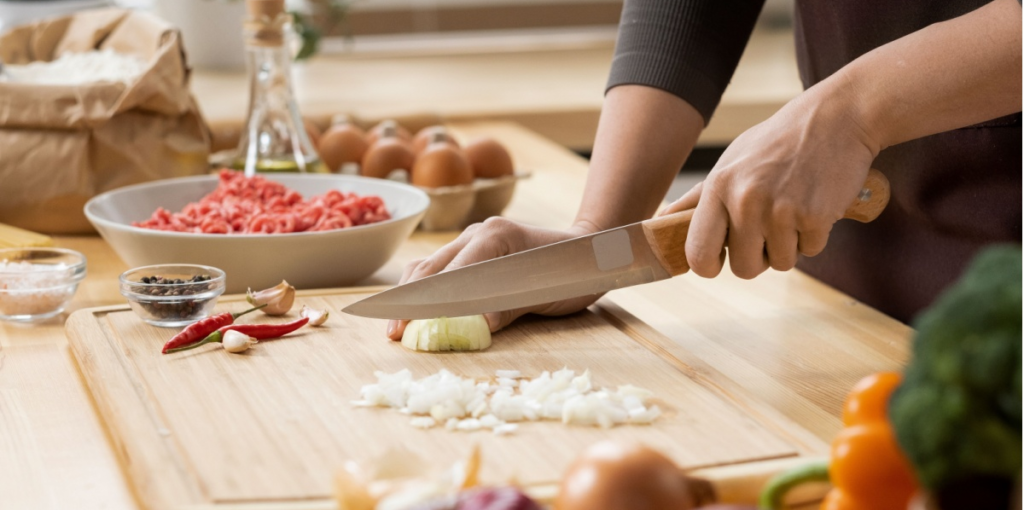
Cooking is a skill that grows with practice. Nobody starts as an expert, and even experienced cooks continue learning new techniques throughout their lives. The journey from preparing simple meals to creating restaurant-quality dishes does not happen overnight. It develops through experience, patience, experimentation, and confidence in the kitchen.
Many people avoid cooking because they believe it requires natural talent or professional training. In reality, cooking is one of the most practical skills anyone can learn. Starting with easy recipes and gradually moving toward more advanced techniques makes the process less overwhelming and far more enjoyable.
No matter where you are in your cooking journey, there are recipes designed for your skill level. Understanding how cooking skills develop can help you choose the right recipes and improve faster.
Beginner Recipes: Building Confidence in the Kitchen
For beginners, the goal is not perfection. The goal is learning basic techniques while building confidence. Simple recipes create a foundation that helps new cooks understand ingredients, timing, and kitchen organization.
Beginner-friendly recipes usually involve fewer ingredients and simple cooking methods. These meals focus on teaching essential skills without creating unnecessary stress.
Pasta dishes are often an excellent starting point because they teach boiling, timing, seasoning, and sauce preparation. Simple stir-fries also work well because they introduce cutting techniques and basic heat control.
Sandwiches, salads, soups, rice dishes, and breakfast recipes provide additional opportunities to practice cooking fundamentals. These recipes help beginners understand measurements, ingredient combinations, and flavor balancing.
The biggest mistake many beginners make is attempting difficult recipes too early. Starting simple creates stronger long-term cooking habits.
Understanding Basic Cooking Techniques
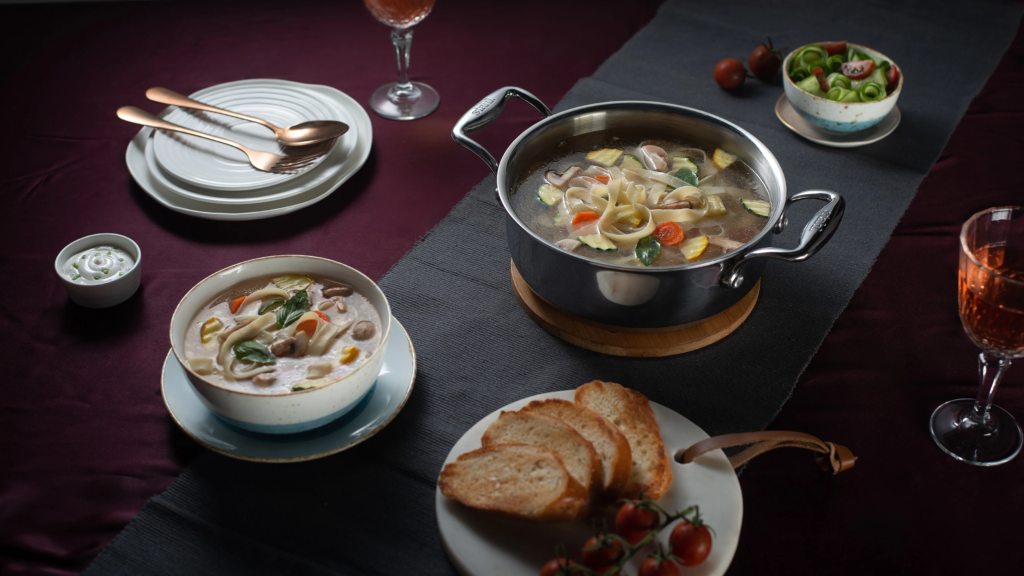
Before moving toward complex recipes, understanding basic techniques becomes essential. These techniques appear repeatedly in almost every type of cooking.
Learning how to chop vegetables properly improves speed and safety. Understanding how heat affects ingredients prevents burning and undercooking. Knowing how to season food correctly transforms simple dishes into enjoyable meals.
Basic cooking skills include:
- Boiling
- Frying
- Roasting
- Baking
- Sautéing
- Steaming
Mastering these techniques creates a strong foundation for more advanced recipes later.
Another important beginner lesson is learning that mistakes are part of cooking. Overcooked vegetables or overly salty dishes provide valuable experience that improves future results.
Intermediate Recipes: Expanding Skills and Creativity
Once basic cooking becomes comfortable, intermediate recipes introduce more complexity. At this stage, cooks begin combining multiple techniques within a single meal.
Intermediate recipes usually require better timing and coordination because several components often cook simultaneously.
Dishes such as homemade pizza, grilled chicken with side dishes, curries, casseroles, and baked pasta dishes help develop multitasking abilities.
This stage is where many people begin experimenting with flavors and substitutions. Instead of following recipes exactly, cooks start making adjustments based on personal preferences.
Cooking confidence grows significantly during this phase because individuals begin understanding why recipes work rather than simply following instructions.
Learning Ingredient Knowledge
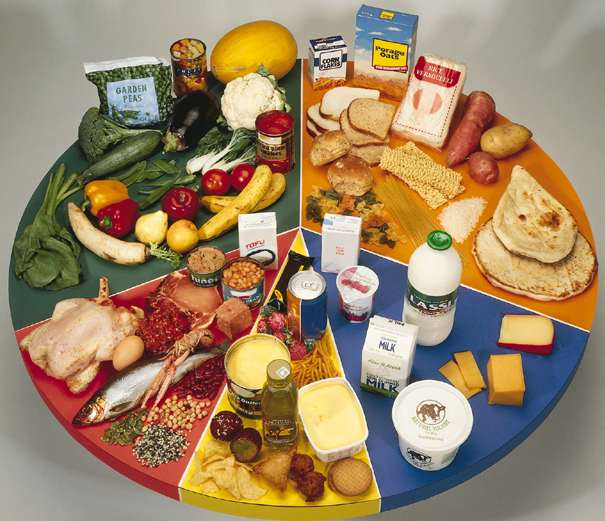
Intermediate cooking is not only about techniques. Understanding ingredients becomes increasingly important.
Learning how ingredients interact allows cooks to make smarter decisions in the kitchen.
For example, understanding the difference between fresh and dried herbs affects flavor intensity. Knowing which oils work best at high temperatures prevents cooking mistakes. Recognizing how acids, fats, and spices influence taste helps create balanced meals.
Ingredient knowledge also improves grocery shopping because cooks become better at selecting quality products.
As cooking skills grow, recipes become less about strict instructions and more about understanding relationships between ingredients.
Developing Time Management Skills
One challenge that separates beginners from experienced cooks is time management.
Many new cooks prepare ingredients while cooking, which creates stress and increases mistakes. More experienced cooks understand the value of preparation.
Preparing ingredients before cooking improves efficiency and reduces pressure during meal preparation.
Time management also involves understanding cooking order. Some foods require longer cooking times while others need attention at the last moment.
Learning this skill makes complicated recipes feel much easier.
Advanced Recipes: Moving Beyond Basic Cooking
Advanced cooking introduces greater precision, more complex techniques, and higher expectations for consistency.
At this level, recipes often involve multiple cooking methods, careful temperature control, and presentation techniques.
Advanced dishes may include homemade breads, layered desserts, slow-cooked meals, seafood preparations, and complex sauces.
Cooking becomes less about simply making food and more about creating complete experiences.
Many advanced cooks begin exploring international cuisines because these recipes introduce unfamiliar ingredients and techniques.
The focus shifts from merely following recipes to developing personal style and creativity.
Understanding Precision in Cooking
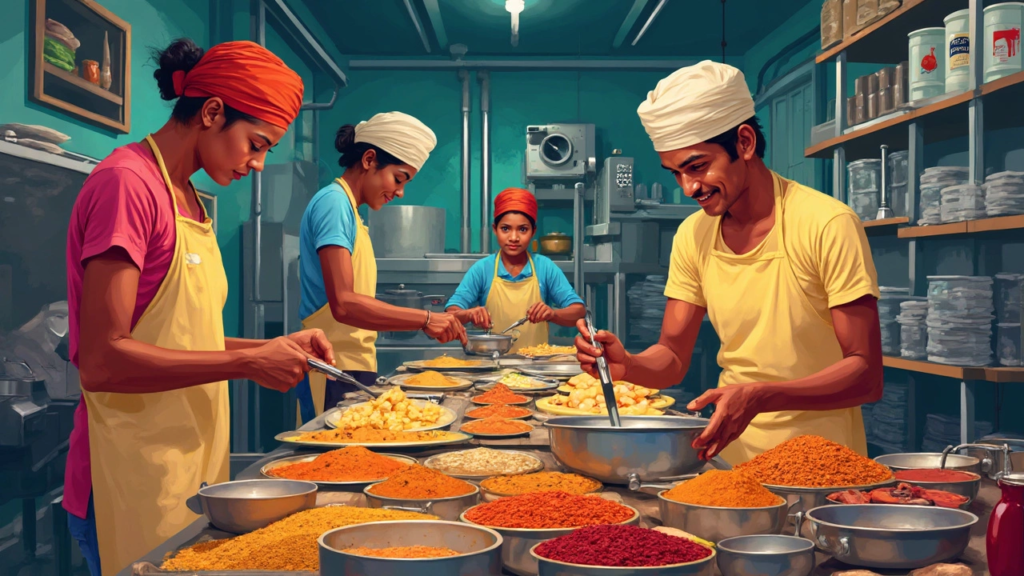
Advanced cooking often requires more attention to detail.
Small differences in temperature, ingredient ratios, or cooking times can significantly affect results.
Baking especially demands precision because ingredient measurements directly influence texture and structure.
Advanced cooks learn how to recognize visual and physical cues rather than relying entirely on timers.
They understand when dough has been kneaded enough, when sauces reach proper consistency, and when proteins are cooked correctly.
These skills develop gradually through repeated practice.
Experimenting and Creating Original Recipes
One major difference between intermediate and advanced cooking is creativity.
Experienced cooks become comfortable modifying recipes or creating their own dishes completely.
This creativity comes from understanding ingredients, cooking methods, and flavor combinations.
Experimentation becomes easier because advanced cooks know how changes affect outcomes.
Creating original meals does not necessarily mean making complicated dishes. Even simple recipes become more personal when cooks adjust flavors and techniques to match their preferences.
This stage often makes cooking more enjoyable because creativity replaces strict rule-following.
Professional-Level Cooking Skills
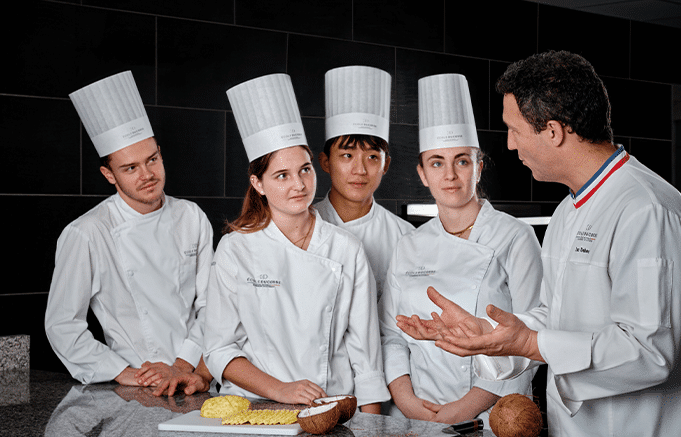
Professional-level cooking does not necessarily require working in restaurants. Many home cooks eventually develop highly advanced abilities through practice.
Professional-level skills include:
- Advanced knife techniques
- Sauce making
- Temperature control
- Plating and presentation
- Recipe development
- Large meal preparation
These skills emphasize consistency and efficiency.
Professional cooks focus heavily on organization because complicated meals require careful coordination.
Even if someone never reaches this level, learning some professional habits significantly improves home cooking.
Why Progress Matters More Than Perfection
Many people compare their cooking to social media videos or professional chefs and become discouraged.
Cooking improvement rarely happens quickly.
Some recipes fail.
Some meals taste disappointing.
Some techniques feel impossible initially.
Progress comes from repetition rather than perfection.
Each meal teaches something new, whether successful or not.
The most skilled cooks are usually those who continued practicing after making mistakes.
FAQ’s
Best Terrace Gardening Ideas for a Green and Beautiful Home
A Terrace Gardening can look completely different once you start keeping plants there. Earlier, I…

Best Small House Elevation Ideas: Simple and Modern Designs
When someone starts planning a new house, the first things that usually come to mind…

Emotional Boundaries: How to Set Healthy Limits in Relationships
I used to think that being a good person meant being available whenever someone needed…
Popular Indian Fast Food: Delicious Snacks You’ll Love
There are days when you leave home thinking you are not hungry at all, and…
Daily Hydration Tips for Better Health and Energy
We’ve all hit that wall around 3:00 PM. You are staring at your screen, reading…
Best Bedroom Ideas for a Cozy and Beautiful Home
A bedroom should feel comfortable before it feels stylish. You can have beautiful furniture and…