

Eating healthy sounds easy until you have to decide what to put on your plate every single day.
On some mornings, there is enough time to make breakfast and sit down for a few minutes. On others, the alarm goes off late, tea gets made first, and suddenly you’re already running behind. Lunch can be just as unpredictable. You might have dal, rice and sabzi waiting at home, or you might be busy with college or work and end up eating whatever is available.
This is why healthy eating needs to work in real life.
You don’t have to turn every meal into a carefully planned diet meal. Many of the foods people already eat at home can be part of a nutritious diet. Dal, rice, roti, vegetables, fruits, curd, eggs, peanuts and oats are all everyday foods, not special health products.
What matters is the overall pattern. When your meals regularly include a good mix of nutritious foods, eating well becomes much easier to maintain.
What Are Healthy Diet Foods?

Healthy diet foods are simply foods that provide important nutrients and can fit into a varied, balanced diet. Fruits and vegetables, pulses, whole grains, eggs, dairy foods, nuts and seeds are common examples.
No single food can provide everything your body needs. That’s one reason variety matters. A meal of dal, rice, vegetable sabzi and curd contains a different combination of nutrients from a breakfast of poha, peanuts and fruit.
You don’t have to make every meal perfectly balanced either. Think about your food across the whole day. Maybe breakfast is simple, lunch is more filling, and you have fruit or curd later. What matters is the combination of foods you regularly eat, not whether every plate looks identical.
Healthy Eating Doesn’t Have to Be Perfect
Scrolling through food and fitness content can make healthy eating seem much stricter than it really needs to be.
One person is avoiding sugar. Someone else has stopped eating rice. Another person is talking about a particular superfood that supposedly needs to be eaten every morning. After seeing enough of this advice, ordinary food can start feeling like the wrong choice.
It doesn’t have to be that way.
You can enjoy homemade meals and still eat a pizza with friends. You can have a samosa with tea or enjoy dessert at a birthday party. Festivals, weddings and family dinners are also part of everyday life.
A single meal doesn’t decide whether your overall diet is healthy. What you eat regularly matters much more than one occasional treat.
Healthy Diet Foods to Keep in Your Kitchen


You don’t need a cupboard filled with expensive “health foods” to start eating better.
Look at the groceries you already buy. There may be plenty of useful ingredients sitting in your kitchen that can be combined in different ways.
Fruits
Fruit is probably one of the simplest foods to add to a daily routine. There is usually very little preparation involved, and you can eat many fruits as they are.
Bananas, apples, guava, oranges, papaya, watermelon and other seasonal fruits can all be convenient choices.
A banana can save a rushed morning when you don’t have time to prepare much. An apple or orange can be carried to college or work. Cut fruit can be kept in the refrigerator so it’s ready later in the day.
There is also a surprisingly simple trick that can help: keep fruit where you can see it. Food that is sitting in front of you tends to get remembered. Something hidden behind other containers in the refrigerator is much easier to forget.
Vegetables
Vegetables don’t have to mean a plate of raw salad.
If you cook at home, you’re probably already using vegetables in ways that are much more interesting. Peas and carrots can go into poha. Spinach can be cooked with dal. Bhindi can be served with roti, while aloo-gobi, beans and mixed vegetable sabzi can easily become part of lunch or dinner.
Even tomato and cucumber can add something fresh to a simple meal without creating extra work.
And taste matters. If you dislike one vegetable, try another. If you don’t like it boiled, prepare it as a sabzi, roast it or add it to another dish. Eating nutritious food shouldn’t mean forcing yourself to eat things you genuinely don’t enjoy.
Dal, Beans, and Chickpeas
Dal has been part of Indian meals for generations, so it already fits naturally into many people’s routines.
Moong dal, masoor dal, toor dal, chana, rajma and chickpeas can be used in plenty of familiar dishes. Dal and rice make a simple lunch, rajma goes well with rice or roti, and boiled chickpeas can become a quick chaat with onion, tomato, lemon and spices.
These foods are useful partly because they don’t require a completely new approach to cooking. You can keep making the dishes your family already knows and simply include a wider variety of ingredients.
Eggs

Eggs can be a convenient option for anyone who eats them.
Boiled eggs can be prepared in advance, while an onion-and-tomato omelet takes only a few minutes. Scrambled eggs can also be combined with vegetables and served with roti or toast.
They aren’t limited to breakfast. On a busy day, eggs can become part of a quick lunch or dinner when you don’t have the time or energy for a complicated recipe.
Convenience shouldn’t be overlooked when choosing healthy diet foods. The easier something is to prepare, the more likely it is to become part of your regular routine.
Whole-Grain Foods
Oats and whole-wheat foods are easy ways to include whole grains in everyday meals.
This doesn’t mean that rice, potatoes or other carbohydrate foods need to disappear from your kitchen. Carbohydrates are a normal source of energy and can be part of a balanced eating pattern.
If you want to include more whole grains, start with foods you already like. Oats could be breakfast on some mornings, while whole-wheat roti can be served with dal and vegetables.
Small changes are usually easier to live with than suddenly replacing everything you normally eat.
Nuts and Seeds
Almonds, walnuts, peanuts, pumpkin seeds and sunflower seeds are handy foods because they need very little preparation.
Peanuts can be added to poha. Seeds can be mixed into yogurt or breakfast. A few nuts can be kept available for those moments when you want something quick.
Nuts and seeds are nutrient-rich but also fairly energy-dense, so you don’t need a large serving. A small amount can add texture, flavour and variety to a meal or snack.
Curd and Yogurt

Curd is already a familiar food in many Indian households, which makes it an easy addition to everyday meals.
You can have it with rice, make cucumber raita or serve it alongside roti and sabzi. Plain yogurt can also be combined with fruit and nuts for a quick snack.
Sometimes healthy eating isn’t about buying something you’ve never heard of. It is simply about making better use of the foods that are already sitting in your refrigerator.
Healthy Breakfast Foods for Busy Mornings
Breakfast looks different from one household to another.
Some people have plenty of time in the morning. Others are getting ready for college, opening the shop, heading to work, preparing children for school or trying to finish household chores before the day gets busy.
For those mornings, breakfast needs to be realistic.
Easy Breakfast Ideas
A few simple options include:
- Vegetable poha with peanuts
- Besan chilla with onion and tomato
- Oats with banana and nuts
- Idli with sambar
- Vegetable upma
- Eggs with roti or toast
- Curd with fruit and seeds
There is nothing wrong with repeating breakfast.
If poha is easy for you, make poha again. If besan chilla is something your family enjoys, keep it in the rotation. Having a handful of familiar breakfast options means you don’t have to make a new decision every morning.
Healthy Snacks for Between Meals

The afternoon hunger can appear at the most inconvenient time.
Maybe you’re studying and suddenly realise you haven’t eaten since lunch. Maybe you’re at work and the tea break arrives before dinner. Or perhaps you’re travelling and need something simple to eat.
This is where having food ready can make a difference.
Quick Healthy Snack Ideas
Some practical options are:
- Fresh fruit
- Roasted chana
- Peanuts
- Homemade popcorn
- Sprouts chaat
- Boiled corn
- Curd
- Vegetable sandwiches
The preparation can be very simple.
Wash fruit when you bring it home. Keep roasted chana in an airtight container. Put curd in the refrigerator where you can easily find it.
You don’t need an elaborate meal-prep routine. A little bit of preparation when you have time can save you effort later, especially on busy afternoons.
Healthy Diet Foods on a Budget


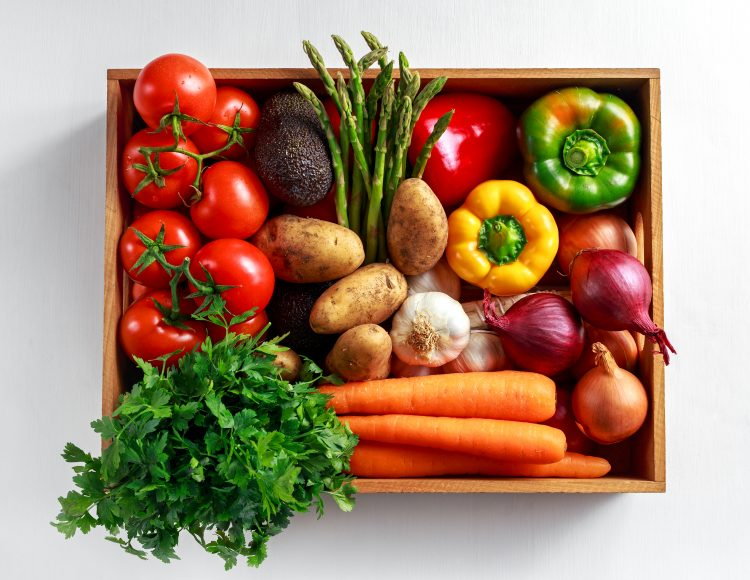
Eating nutritious food doesn’t automatically mean spending more money.
In fact, some of the most useful healthy diet foods are basic ingredients that have been used in Indian kitchens for years.
Start With Basic Ingredients
Dal, chana, peanuts, bananas, seasonal vegetables, oats, curd and eggs can all be useful additions to a regular grocery list.
Another advantage of these ingredients is flexibility. One packet of chana can be used in more than one dish. Vegetables can go into sabzi, poha or a sandwich. Curd can accompany lunch or become a quick snack.
Before spending money on a trendy “superfood,” think about whether it will actually become part of your meals. There is little point buying something expensive if it is going to sit unopened in the cupboard.
Buy What’s in Season
Seasonal produce can make grocery shopping easier and give your meals some variety.
Instead of deciding that you must buy the exact same fruits and vegetables every week, see what is fresh and available. Your shopping list can change with the season.
This keeps everyday cooking from becoming too predictable without requiring expensive ingredients.
Common Healthy Eating Mistakes
Eating better can become surprisingly complicated when you collect too many rules.
A practical approach leaves some room for flexibility.
Trying to Eat Perfectly
Nobody eats perfectly every day.
You might have homemade dal and vegetables for lunch on Monday and order something on Tuesday. A birthday, wedding or family gathering may change your normal meals for a day.
That doesn’t mean you’ve failed.
There is no need to “start over” after one meal. Simply return to your usual eating habits when the next meal comes around.
Removing Entire Food Groups Without a Reason
There is always a new diet telling people to stop eating a particular food group.
One plan removes carbohydrates. Another avoids dairy. Someone else recommends cutting out fats completely.
These rules don’t work equally well for everyone. Removing major food groups without a clear reason can also reduce the variety in your diet.
If you have a food allergy, medical condition or specific dietary requirement, follow advice from a qualified healthcare professional rather than copying a restrictive plan from social media.
Trusting Every Claim on a Food Package
The front of a packet is meant to catch your attention.
Words such as “natural,” “light,” “healthy” or “no added…” can sound impressive, but they don’t tell you the whole story.
When buying packaged food, turn the packet around. Check the ingredient list and nutrition information as well. Taking a few extra seconds can give you a much clearer idea of what you’re actually buying.
Making Healthy Food Too Boring
Nutritious food shouldn’t feel like a punishment.
There are plenty of ways to make simple ingredients taste good. Lemon, coriander, chutney, herbs and everyday spices can completely change a meal.
If plain boiled vegetables aren’t your thing, try cooking them differently. Roast them, add them to a sabzi or mix them into another dish.
Food is something you’re going to eat regularly, so enjoying it matters
Final Thoughts

Healthy eating doesn’t have to become a big project. You don’t need to replace everything in your kitchen or buy expensive products just to eat better. A lot of healthy diet foods are probably already part of your regular meals, such as dal, sabzi, fruits, curd, eggs, roti, rice, nuts and seeds.
What matters more is what you eat most of the time. Try to include different nutritious foods through the day instead of depending on one particular “healthy” food or following every diet trend you see online. Simple meals made at home can be a good starting point for healthy eating.
Of course, every day won’t go exactly as planned. Some days you may cook a proper meal, while on another day you may be too busy and grab something quick. One rushed meal doesn’t cancel out your usual habits. Just get back to your normal routine with the next meal.
A balanced diet should be something you can actually live with. Keep your food simple, enjoy what you eat, and make small choices that feel realistic for your daily routine. Over time, these everyday habits can make healthy eating much easier.
FAQ’s
1. What are the best healthy diet foods for everyday eating?
Some good healthy diet foods include fruits, vegetables, dal, beans, whole grains, eggs, curd, nuts and seeds. Adding a mix of these foods to your regular meals can help make your diet more varied and nutritious.
2. How can I start eating healthy without changing my entire diet?
Start with small changes. Add a fruit to breakfast, include vegetables with lunch or dinner, choose whole-grain options when practical, and keep simple snacks such as roasted chana or nuts available. These small steps can make healthy eating easier to maintain.
3. What should a balanced diet include?
A balanced diet usually includes a variety of foods from different food groups, including vegetables, fruits, grains, protein-rich foods and dairy or suitable alternatives. The exact combination can change depending on your routine and food preferences.
4. Are healthy diet foods expensive?
Not necessarily. Many nutritious foods are affordable everyday ingredients, such as dal, chickpeas, peanuts, seasonal vegetables, bananas and whole grains. Buying seasonal produce and cooking more meals at home can also make healthy eating more budget-friendly.
5. Can I eat my favourite foods while following a healthy diet?
Yes. Healthy eating doesn’t mean completely avoiding foods you enjoy. Occasional treats can fit into an overall healthy eating pattern. The main focus should be on having a good variety of nutritious foods as part of your regular meals.