
Personal growth is often talked about as a lifelong journey, but for many people, it can feel vague or overwhelming. With so much advice available, it’s easy to get stuck between inspiration and action. The truth is, personal growth doesn’t happen through motivation alone. It requires consistent effort, self-awareness, and practical strategies that you can apply in your everyday life. The good news is that real, lasting change doesn’t depend on complicated systems. It comes from simple, proven approaches practiced over time.
Below are seven strategies that have stood the test of time and actually work when applied with intention and consistency.
1. Set Clear and Meaningful Goals
One of the most important steps in personal growth is knowing what you’re aiming for. Without clear goals, it’s easy to drift through life without making meaningful progress. Setting specific and realistic goals gives you direction and purpose.

Instead of vague goals like “I want to be better,” define what “better” means to you. It could be improving your communication skills, advancing in your career, or becoming more physically fit. Break your larger goals into smaller, actionable steps. This makes them less intimidating and easier to track.
Equally important is making sure your goals are meaningful. When your goals align with your values, you’re more likely to stay committed, even when things get difficult. Personal growth isn’t just about achieving more; it’s about becoming someone you respect and feel proud of.
2. Build Consistent Habits
Growth doesn’t come from occasional bursts of effort. It comes from what you do consistently. Habits shape your daily life, and over time, they determine your results.
Start small. Trying to change everything at once often leads to burnout. Focus on one or two habits that can have a strong impact. For example, reading for 15 minutes a day, exercising regularly, or journaling your thoughts can significantly improve your mindset and productivity.
Consistency is more important than intensity. Doing something small every day is far more effective than doing something big once in a while. Over time, these small actions compound and lead to noticeable change.
3. Develop Self-Awareness
ersonal growth begins with understanding yourself. Without self-awareness, it’s difficult to identify what needs to change or improve.
Take time to reflect on your thoughts, behaviors, and emotions. Ask yourself honest questions: What are my strengths? What are my weaknesses? What patterns keep repeating in my life? This kind of reflection helps you recognize what’s working and what isn’t.
Journaling is a powerful tool for building self-awareness. Writing down your thoughts allows you to see them more clearly and objectively. You may start to notice patterns in your behavior that you weren’t aware of before.
Feedback from others can also be valuable. Sometimes, people around you can see things that you might miss. Being open to constructive feedback, without taking it personally, can accelerate your growth.
4. Step Outside Your Comfort Zone
Growth rarely happens when you stay comfortable. While routines and familiarity feel safe, they can also limit your potential. Stepping outside your comfort zone exposes you to new experiences and challenges that push you to grow.
This doesn’t mean taking extreme risks. It can be as simple as trying something new, speaking up in a meeting, or learning a new skill. The goal is to gradually expand your boundaries.
Discomfort is often a sign that you are growing. Instead of avoiding it, learn to embrace it. Each time you face something challenging, you build confidence and resilience. Over time, what once felt uncomfortable becomes part of your new normal.
5. Learn Continuously
Personal growth and learning go hand in hand. The more you learn, the more you expand your perspective and understanding of the world.
Make learning a regular part of your routine. This can include reading books, listening to podcasts, taking courses, or simply observing and asking questions. The key is to stay curious.
Focus not just on gaining knowledge, but also on applying it. Information alone doesn’t lead to growth; action does. When you learn something new, find ways to implement it in your life.
Learning from your experiences is equally important. Every success and failure carries a lesson. Instead of ignoring mistakes, analyze them. Understanding what went wrong helps you make better decisions in the future.
6. Build Resilience and Embrace Failure
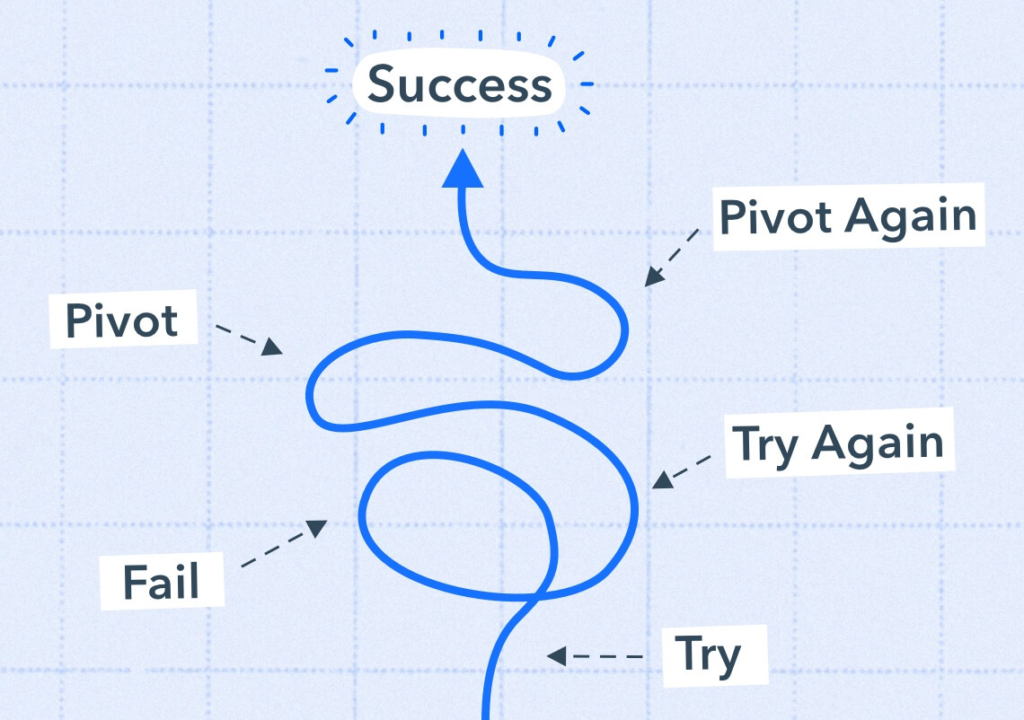
Failure is often seen as something to avoid, but in reality, it is an essential part of growth. Every successful person has faced setbacks. What sets them apart is how they respond to those challenges.
Resilience is the ability to bounce back from difficulties. It’s about maintaining a positive outlook and continuing to move forward, even when things don’t go as planned.
Instead of viewing failure as a sign of weakness, see it as feedback. It shows you what doesn’t work and helps you refine your approach. Each setback brings you one step closer to success if you are willing to learn from it.
Developing resilience also involves managing your mindset. Negative thoughts and self-doubt can hold you back. Practice replacing them with more constructive and realistic thinking. Over time, this shift in mindset can make a significant difference in how you handle challenges.
7. Surround Yourself with the Right People
The people you spend time with have a strong influence on your mindset and behavior. Being around supportive, motivated, and positive individuals can inspire you to grow.
Seek out people who challenge you to be better. These could be mentors, friends, or colleagues who encourage your development and hold you accountable. Conversations with the right people can provide new insights and perspectives.
At the same time, be mindful of negative influences. Constant exposure to negativity can drain your energy and limit your growth. While it may not always be possible to avoid such people completely, setting boundaries can help protect your mindset.
Building a strong support system makes the journey of personal growth more manageable and enjoyable. It reminds you that you don’t have to do everything alone.
Conclusion
Personal growth is not a quick fix or a one-time effort. It is an ongoing process that requires patience, discipline, and commitment. The strategies discussed here are simple, but they are powerful when practiced consistently.
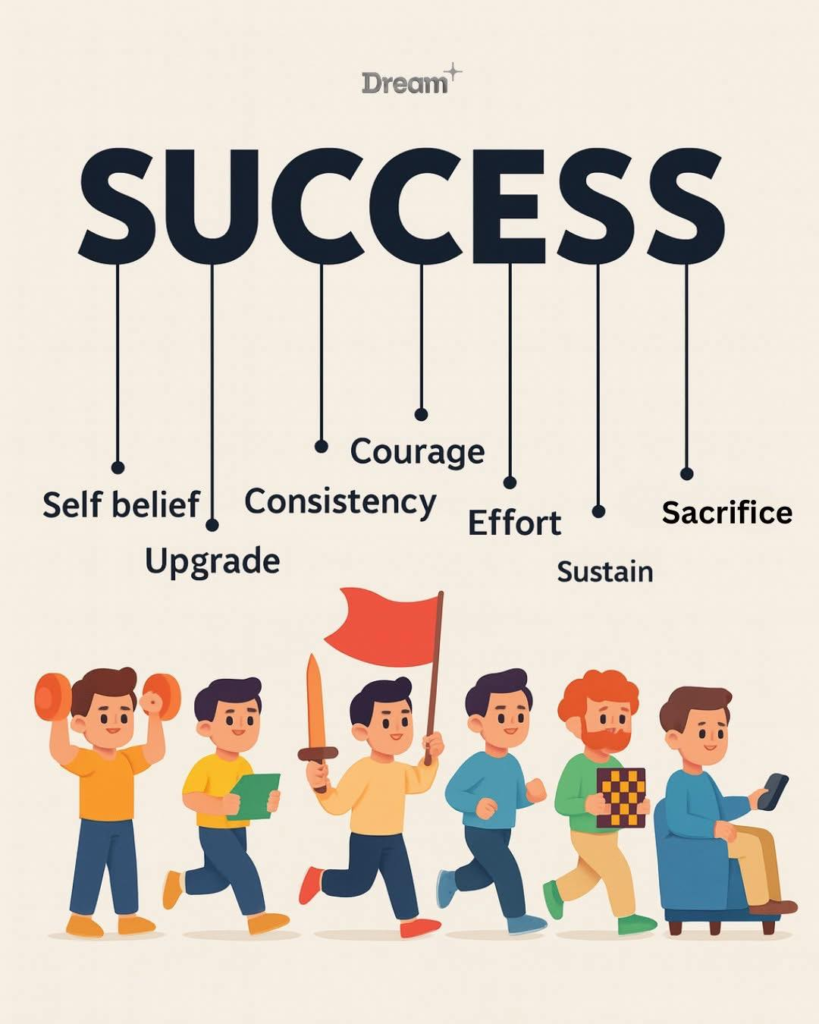
Setting clear goals gives you direction. Building habits ensures steady progress. Self-awareness helps you understand where you stand. Stepping outside your comfort zone pushes your limits. Continuous learning keeps your mind active. Resilience helps you handle setbacks. And surrounding yourself with the right people provides support and inspiration.
The key is to start small and stay consistent. You don’t need to implement everything at once. Choose one or two strategies that resonate with you and begin there. Over time, these efforts will compound and lead to meaningful change.
Personal growth is ultimately about becoming a better version of yourself, not for others, but for your own sense of fulfillment and purpose.
F&Q
1. What are personal growth strategies?
They are practical methods to improve yourself, habits, and mindset.
2. Why are these strategies important?
They help you grow faster and achieve your goals effectively.
3. How many strategies are in this guide?
There are seven proven strategies.
4. Do these strategies really work?
Yes, if applied consistently in daily life.
5. Can anyone use these strategies?
Yes, they are simple and suitable for everyone.

Best Terrace Gardening Ideas for a Green and Beautiful Home
A Terrace Gardening can look completely different once you start keeping plants there. Earlier, I…

Best Small House Elevation Ideas: Simple and Modern Designs
When someone starts planning a new house, the first things that usually come to mind…

Emotional Boundaries: How to Set Healthy Limits in Relationships
I used to think that being a good person meant being available whenever someone needed…