

We live in a culture obsessed with optimization. Every week, a new wellness trend promises to unlock boundless vitality, clear our minds, and revolutionize our health. We meticulously track our steps, blend green concoctions, and force ourselves through grueling routines, all in the pursuit of feeling our best.
Yet, despite doing everything “right,” an overwhelming number of us wake up feeling exhausted, rely on caffeine to survive the afternoon, and drag ourselves through the day.
When chronic fatigue sets in, we usually blame stress, lack of sleep, or our genetics. Rarely do we look at our healthy habits and consider that they might be the culprit. The truth is, the line between health-promoting and health-draining is incredibly thin. When taken to extremes or applied incorrectly, well-intentioned lifestyle choices can backfire, placing a heavy tax on your nervous system, metabolism, and endocrine health.
If you are doing everything by the book but still feel completely drained, it is time to audit your routine. Here are five common “healthy” habits that might secretly be stealing your energy, and how to fix them.
1. Aggressive High-Intensity Workouts with Insufficient Recovery
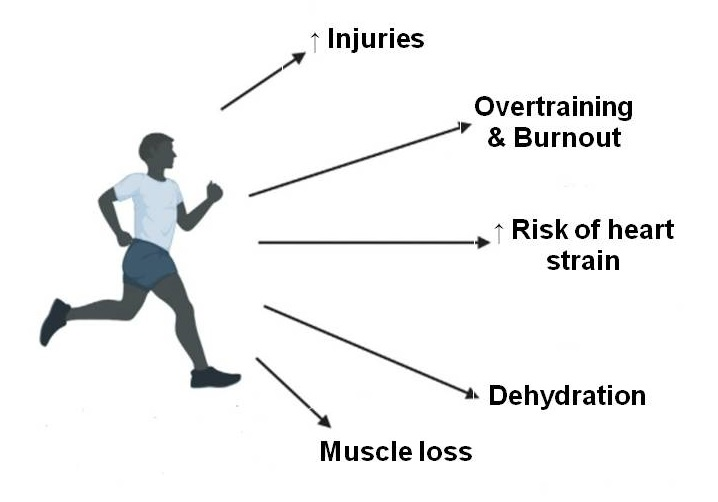
Exercise is universally celebrated as an energy booster, and for good review, it stimulates endorphins, improves cardiovascular health, and enhances mitochondrial function. However, the modern fitness landscape often pushes the narrative that more is always better. High-Intensity Interval Training (HIIT), heavy lifting, and daily intense cardio sessions have become the standard for the health-conscious.
The hidden drain lies in how your body perceives exercise. Physical exertion is a form of stress. When you lift weights or sprint, your body releases cortisol and adrenaline to help you power through. In a healthy scenario, your body recovers from this acute stressor and adapts, becoming stronger and more resilient.
But recovery requires resources. If you are logging intense workouts five or six days a week while juggling a demanding job, family responsibilities, and subpar sleep, your body never exits the fight-or-flight response. Instead of building you up, your workouts begin to tear you down, draining your glycogen stores and leaving your central nervous system chronically fatigued.
The Fix
Shift your focus from “working out” to “working in.” Balance your high-intensity sessions with restorative movement like walking, yoga, or mobility work. Ensure you have at least two full recovery days per week, and remember that fitness progress happens during rest, not during the workout itself.
2. Over-Relying on “Clean Eating” and Cutting Carbs Too Drastically
The term “clean eating” sounds entirely positive, but it often acts as a gateway to accidental underfueling. In an effort to eliminate processed foods, many people inadvertently cut out vital macronutrients, most notably carbohydrates.
Carbohydrates have been unfairly demonized in mainstream wellness culture, leading many to believe that a low-carb or ketogenic approach is the only path to optimal health. While reducing refined sugars is excellent for stabilizing blood sugar, cutting out complex carbohydrates entirely can wreak havoc on your energy levels, especially for active individuals.
Carbohydrates are your body’s preferred and most efficient source of fuel. Your brain alone consumes a massive amount of glucose daily to function optimally. When you drastically restrict carbs, your body must convert protein and fat into glucose through a labor-intensive process. For many, this leads to a persistent brain fog, sluggishness, and a feeling of running on fumes. Furthermore, chronic low-carbohydrate intake can downregulate thyroid function over time, slowing your metabolism and causing systemic fatigue.
The Fix
Reintroduce high-quality, complex carbohydrates into your diet. Sources like sweet potatoes, oats, quinoa, and whole fruits provide a steady release of glucose without the dramatic blood sugar spikes and crashes associated with processed sweets. Fuel your body based on your activity level rather than fear of a specific macronutrient.
3. Excessive Fluid Intake and Flawed Hydration Practices
Listen to your body’s natural thirst signals rather than adhering to an arbitrary daily fluid quota. To ensure the water you drink actually hydrates your cells rather than flushing out nutrients, consider adding a pinch of high-quality sea salt or an electrolyte powder to your water, especially during hot weather or after a sweaty workout.

We are constantly reminded to drink more water. Carrying a massive water bottle has become a status symbol of health. While staying hydrated is crucial for joint lubrication, digestion, and cognitive function, there is a point of diminishing returns that many wellness enthusiasts unwittingly cross.
Drinking gallons of plain water throughout the day can lead to a condition known as mild hyponatremia, or water intoxication. When you flood your system with pure water without replacing vital minerals, you dilute the concentration of electrolytes in your bloodstream.
Electrolytes—specifically sodium, potassium, and magnesium—are responsible for conducting electrical impulses throughout your body. They regulate nerve signals, muscle contractions, and fluid balance inside your cells. When your electrolyte balance is disrupted by excessive water intake, your cells cannot communicate efficiently. The paradox of over-hydration is that it mimics the exact symptoms of dehydration: lethargy, muscle weakness, headaches, and brain fog.
4. Relying on Caffeine and Stimulants for Sustained Productivity
For many, a morning cup of coffee is a cherished ritual. In moderation, coffee provides antioxidants and a temporary cognitive boost. The issue arises when we transform caffeine from a morning luxury into a biological crutch to power through lifestyle deficits.
Caffeine does not actually create energy; it borrows it from your future self. It works by blocking adenosine receptors in the brain. Adenosine is a chemical that builds up throughout the day, signaling to your body that it is time to rest. By blocking these receptors, caffeine masks your underlying fatigue. At the same time, it triggers the adrenal glands to release cortisol and adrenaline, mimicking a low-grade stress response.
When you consume caffeine continuously throughout the day—especially on an empty stomach or late in the afternoon—you trap your body in a cycle of artificial highs and severe crashes. Late-day caffeine disrupts your deep sleep architecture, meaning you wake up feeling unrefreshed the next morning, prompting you to reach for even more caffeine. Over time, this exhausts your adrenal pathways and leaves you feeling perpetually burnt out.
The Fix
Establish boundaries with your caffeine consumption. Avoid drinking coffee within the first 60 to 90 minutes of waking up; this allows your natural cortisol levels to rise and clear out adenosine on their own. Implement a strict caffeine cutoff time of 2:00 PM to protect your sleep quality, and never substitute caffeine for a real, balanced meal.
5. Over-Supplementing Without Testing or Strategy

The wellness industry is flooded with vitamins, minerals, adaptogens, and nootropics, each promising to fix specific ailments. It is incredibly easy to fall into the trap of self-diagnosing and building a daily routine consisting of dozens of pills.
While targeted supplementation can be incredibly beneficial for correcting verified deficiencies, taking a shotgun approach to supplements can heavily tax your system. Your liver and kidneys are responsible for processing, filtering, and excreting everything you ingest. Overloading your body with unnecessary synthetic vitamins places an extra metabolic burden on these organs.
Furthermore, nutrients do not work in isolation; they exist in a delicate balance. For example, taking high doses of zinc can deplete your copper levels. Taking excessive calcium can interfere with magnesium absorption. High doses of certain adaptogens can over-stimulate or over-calm your nervous system, leading to lethargy. Without looking at your specific blood chemistry, your expensive supplement routine might be creating internal imbalances that actively drain your stamina.
The Fix
Adopt a minimalist, targeted approach to supplements. Focus on getting the vast majority of your nutrients from a diverse, whole-food diet. Before adding a new supplement to your daily regimen, get a comprehensive blood panel done and consult with a healthcare professional to identify what your body genuinely needs.
Restoring Your Natural Energy
True health is not about restriction, perfection, or pushing your body to its absolute limits. If your daily wellness routine leaves you feeling depleted rather than vibrant, it is a sign that your habits are misaligned with your body’s current needs.
Energy is the currency of life. To protect it, we must learn to tune out the loud, rigid rules of mainstream wellness and start listening to the subtle biofeedback our bodies provide every day. By shifting from a mindset of punishment and optimization to one of nourishment and recovery, you can transform your healthy habits back into what they were always meant to be: a source of genuine strength and vitality.
FAQ’s
Best Terrace Gardening Ideas for a Green and Beautiful Home
A Terrace Gardening can look completely different once you start keeping plants there. Earlier, I…

Best Small House Elevation Ideas: Simple and Modern Designs
When someone starts planning a new house, the first things that usually come to mind…

Emotional Boundaries: How to Set Healthy Limits in Relationships
I used to think that being a good person meant being available whenever someone needed…