
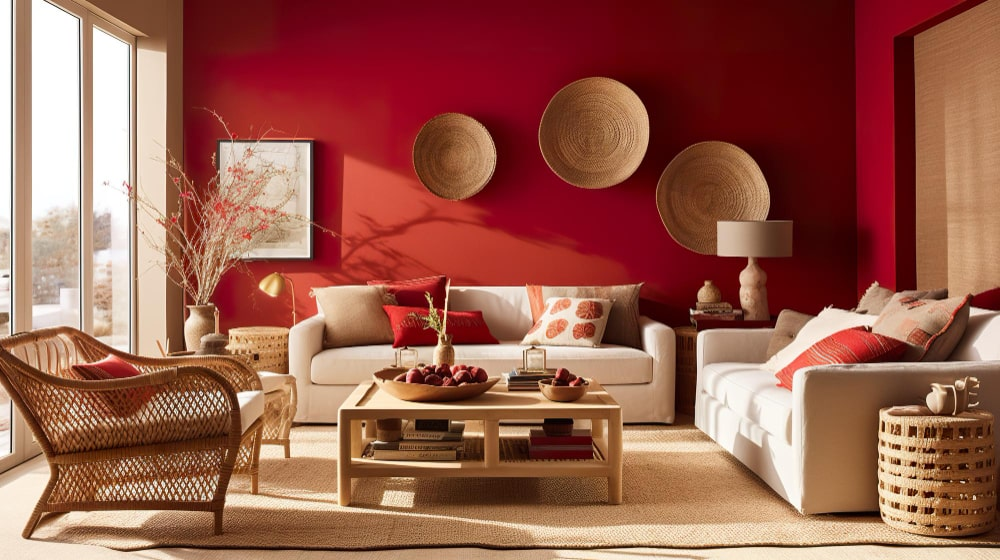
Creating a home that supports health, happiness, and a stress-free lifestyle is not about luxury or expensive upgrades. It is about thoughtful choices, daily habits, and a balanced environment that promotes mental and physical well-being. In today’s fast-paced world, our homes have become more important than ever as spaces for rest, recovery, and personal growth. A well-designed home can significantly reduce stress levels, improve mood, and enhance overall quality of life.
This guide explores practical and effective home and living ideas that help you build a healthier, happier, and more peaceful lifestyle.
1. Create a Clean and Organized Living Space
A cluttered home often leads to a cluttered mind. One of the simplest ways to reduce stress at home is to maintain cleanliness and organization. When everything has a place, it becomes easier to manage daily tasks and avoid unnecessary frustration.
Start by removing items you no longer use. Donate, recycle, or store things that are not needed daily. Focus on keeping surfaces clean and open. Minimal clutter not only improves the appearance of your home but also creates a sense of calm.
Organize your spaces in a way that supports your lifestyle. For example, keep frequently used kitchen items within easy reach and arrange your workspace to avoid distractions. A well-organized home saves time and reduces mental fatigue.
2. Let Natural Light and Fresh Air In
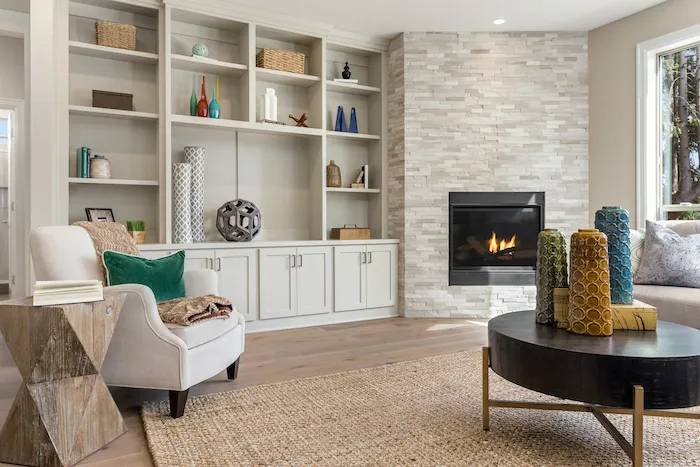
Natural light has a powerful effect on mental health. It improves mood, boosts energy levels, and helps regulate sleep cycles. Open your curtains during the day and allow sunlight to fill your rooms. If possible, arrange your furniture to maximize exposure to windows.
Fresh air is equally important. Proper ventilation reduces indoor pollutants and keeps your environment fresh. Open windows regularly, especially in the morning, to let fresh air circulate. If you live in an area with limited air quality, consider indoor plants or air-purifying solutions.
Together, natural light and fresh air create a refreshing environment that supports both physical and emotional well-being.
3. Add Indoor Plants for a Calming Effect
Indoor plants are one of the easiest ways to bring life and freshness into your home. They not only enhance beauty but also improve air quality and reduce stress.
Plants like snake plant, peace lily, aloe vera, and money plant are low-maintenance and suitable for indoor environments. Studies show that being around greenery can lower anxiety and increase feelings of relaxation.
Place plants in living rooms, bedrooms, or workspaces to create a calming atmosphere. Even a few small pots can make a noticeable difference in your home’s energy.
4. Design a Comfortable and Restful Bedroom
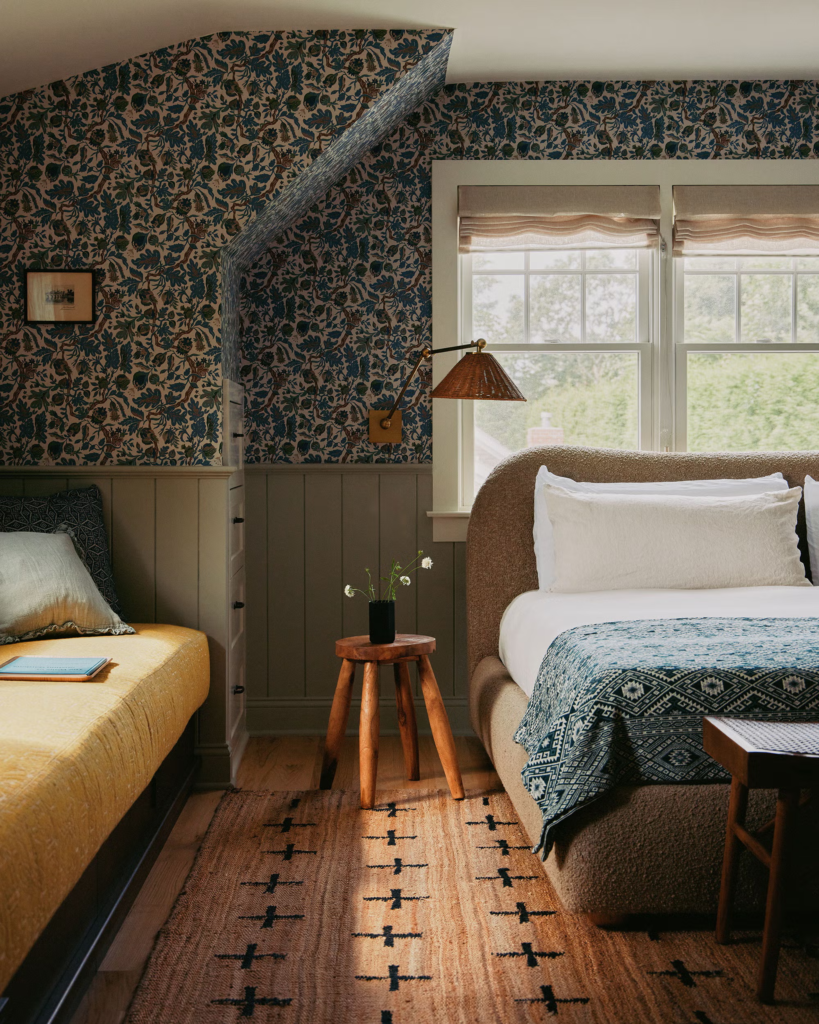
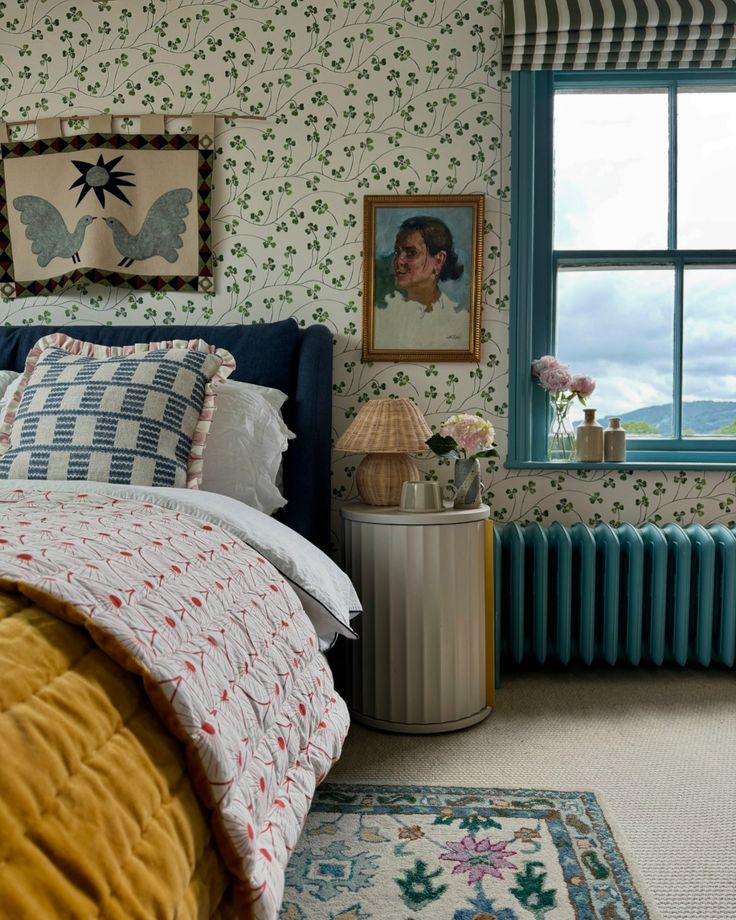
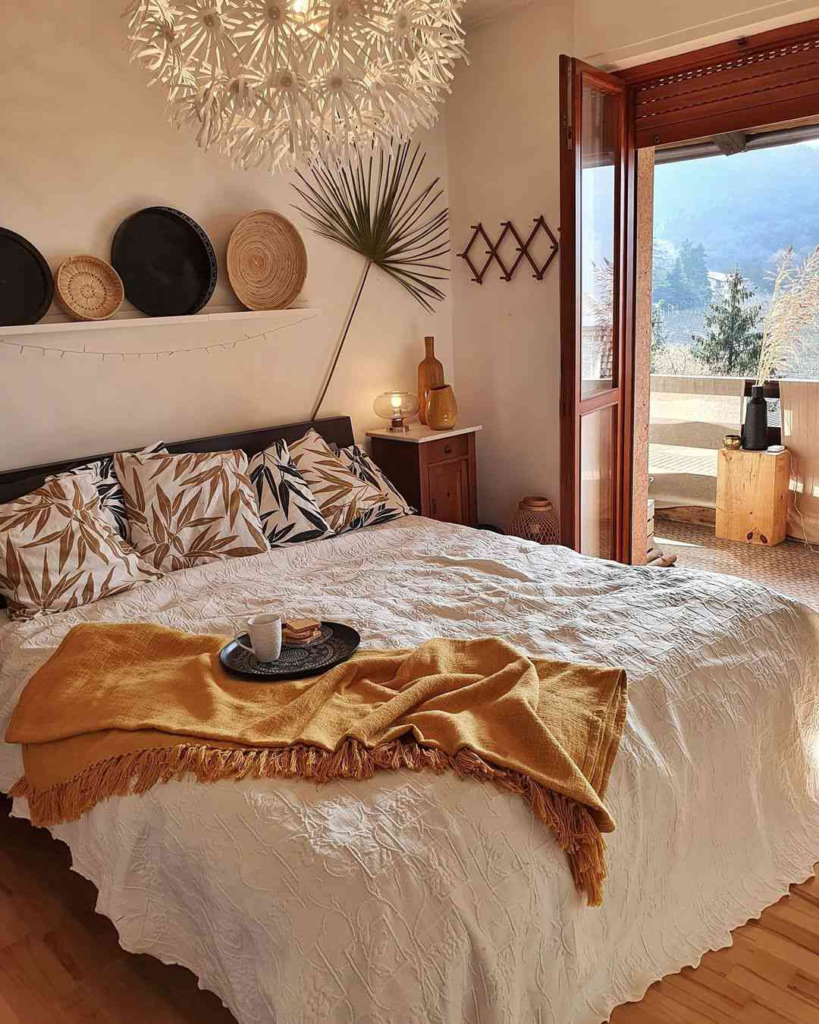
Your bedroom plays a major role in your health and happiness. It should be a space dedicated to rest, relaxation, and recovery. Poor sleep can lead to stress, fatigue, and reduced productivity, so creating a sleep-friendly environment is essential.
Choose comfortable bedding with soft, breathable materials. Keep the room cool, quiet, and dark at night. Avoid using electronic devices before sleeping, as screens can interfere with sleep quality.
Keep bedroom décor simple and soothing. Soft colors like light blue, beige, or pastel shades help create a peaceful atmosphere. A well-designed bedroom promotes better sleep, which directly improves overall well-being.
5. Build a Healthy Kitchen Environment
A healthy lifestyle starts in the kitchen. The way you organize and use your kitchen has a direct impact on your eating habits.
Keep your kitchen clean and clutter-free. Store healthy foods where they are easily visible, such as fruits, nuts, and whole grains. When healthy options are accessible, you are more likely to choose them.
Limit processed foods and focus on fresh, home-cooked meals. Cooking at home gives you control over ingredients and portion sizes, helping you maintain better health.
A clean and organized kitchen encourages mindful eating and supports long-term wellness goals.
6. Create a Dedicated Relaxation Space
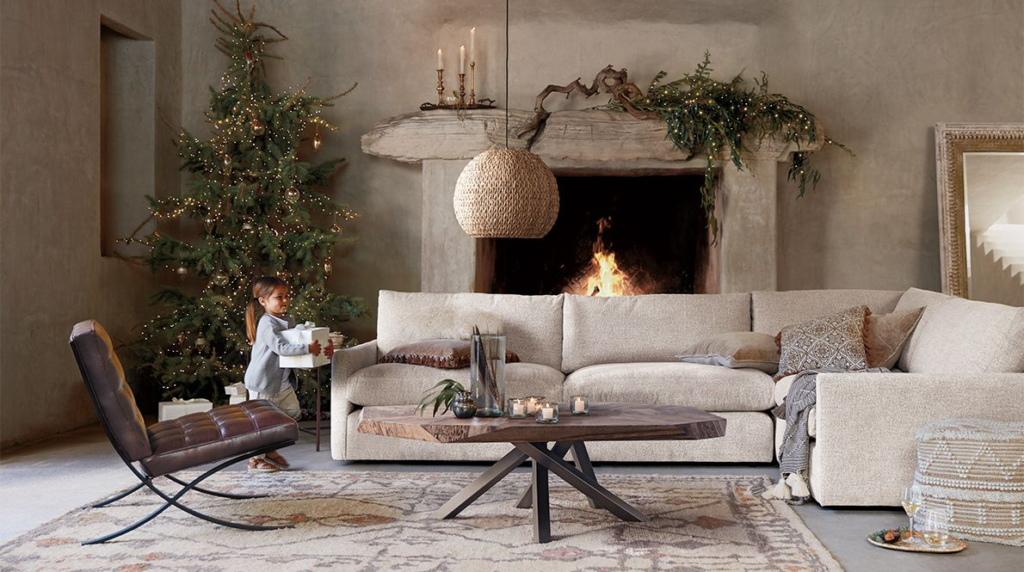
Having a specific area in your home for relaxation can significantly reduce stress. This does not need to be a large space; even a small corner can work effectively.
Use this space for reading, meditation, journaling, or simply unwinding after a long day. Keep it free from distractions like work materials or electronic clutter.
Add comfortable seating, soft lighting, and calming elements like candles or soothing colors. This dedicated space helps your mind associate the area with peace and relaxation, making it easier to disconnect from stress.
7. Maintain a Balanced Digital Environment
Technology is a major part of modern living, but excessive screen time can increase stress and reduce productivity. A balanced digital environment is essential for a healthy home.
Set boundaries for device usage, especially during meals and before bedtime. Avoid keeping phones or tablets in the bedroom if possible.
Designate tech-free times during the day to focus on family, hobbies, or self-care. Reducing digital overload allows your mind to rest and improves your overall mental clarity.
8. Focus on Air Quality and Clean Surroundings
Indoor air quality has a direct effect on health. Dust, allergens, and pollutants can lead to discomfort and long-term health issues.
Regular cleaning is essential to maintain a healthy home. Vacuum carpets, wipe surfaces, and clean hidden corners where dust can accumulate. Using natural cleaning products can also reduce exposure to harmful chemicals.
In addition, consider using air-purifying plants or simple air filtration methods if needed. A clean environment supports better breathing, improved focus, and reduced stress levels.
9. Incorporate Natural and Soothing Colors
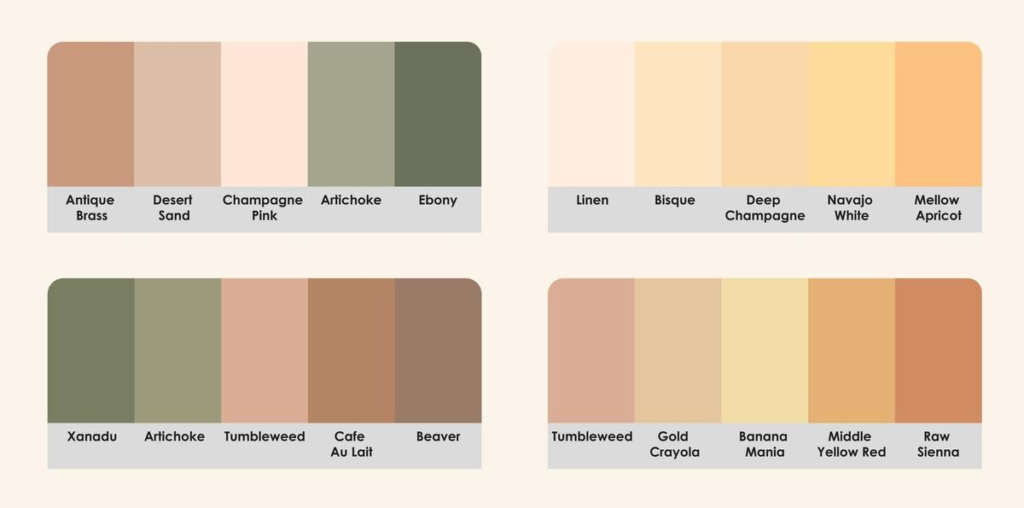
Colors have a psychological impact on mood and emotions. Choosing the right color palette for your home can help create a stress-free atmosphere.
Soft and neutral tones like white, beige, light green, and pastel shades are known to have calming effects. These colors create a sense of openness and relaxation.
Avoid overly bright or harsh colors in spaces meant for rest, such as bedrooms or relaxation areas. Instead, use vibrant colors in moderation to maintain balance.
10. Develop Healthy Daily Routines at Home
A stress-free home is not just about physical space but also about habits and routines. Establishing a structured daily routine helps create stability and reduces anxiety.
Wake up and sleep at consistent times. Plan your meals, work, and relaxation periods effectively. Include time for exercise, hobbies, and family interaction.
Simple habits like drinking enough water, stretching regularly, and taking short breaks can greatly improve your daily energy levels and reduce stress.
Conclusion
Creating a home that supports health, happiness, and stress-free living is a continuous process. It does not require drastic changes but rather small, consistent improvements in your environment and lifestyle.
By focusing on cleanliness, natural elements, comfort, and balanced routines, you can transform your home into a space that nurtures both body and mind. A well-designed home becomes more than just a place to live—it becomes a foundation for a healthier and more fulfilling life.
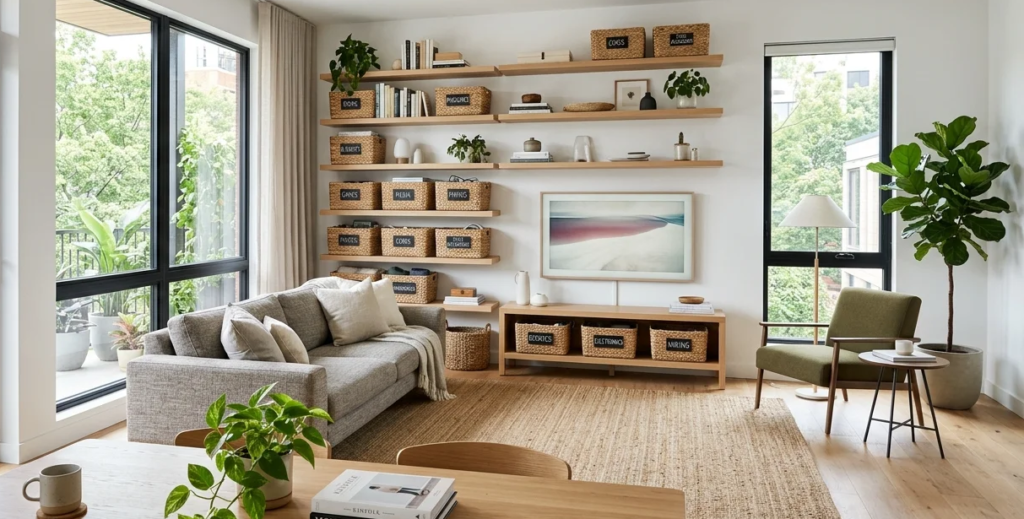
Smart Home & Living Tips for a Beautiful and Organised Home

Why Rishikesh Is India’s Ultimate Adventure Destination

Healthy Recipes for Every Day: Simple, Nutritious, and Tasty

Fashion & Style Secrets That Instantly Upgrade Your Everyday Look

Adventure Travel Tips for Beginners: Everything You Need to Know

Most Beautiful Adventure Destinations with Stunning Natural Landscapes
F&Q
- Q: How to make home stress-free?
A: Keep it clean and organized. - Q: Best way to stay healthy at home?
A: Eat well and exercise daily. - Q: How to improve home happiness?
A: Add comfort and natural light. - Q: Do plants help at home?
A: Yes, they reduce stress. - Q: Simple living tip for peace?
A: Maintain a daily routine.