
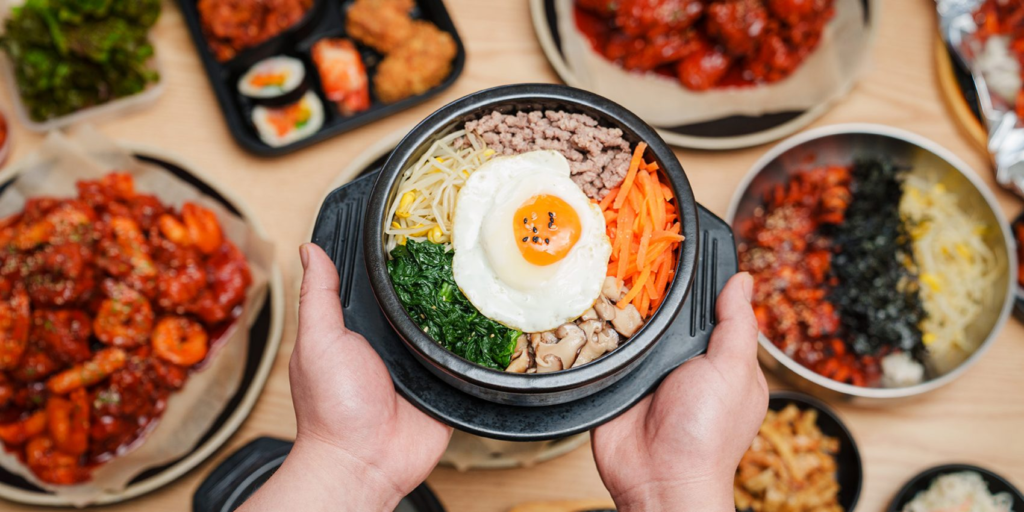
As a lover of all things K-culture, I cook Korean Recipes at home often. low on effort—hearty tofu stews with kimchi, kimbap (Korea’s seaweed-wrapped rice rolls), and marinated vegetable sides that last for days in the fridge. That’s why the recipes below fit seamlessly into my routine.
Each comes together in under an hour and relies on just a handful of essential Korean pantry ingredients. Some even build off leftovers, like kimchi and Spam fried rice or crispy kimchi cheese rice. When you’re craving savory, sweet, spicy, and pungent Korean flavors, there’s no need to default to takeout.
1. Kimchi Fried Rice
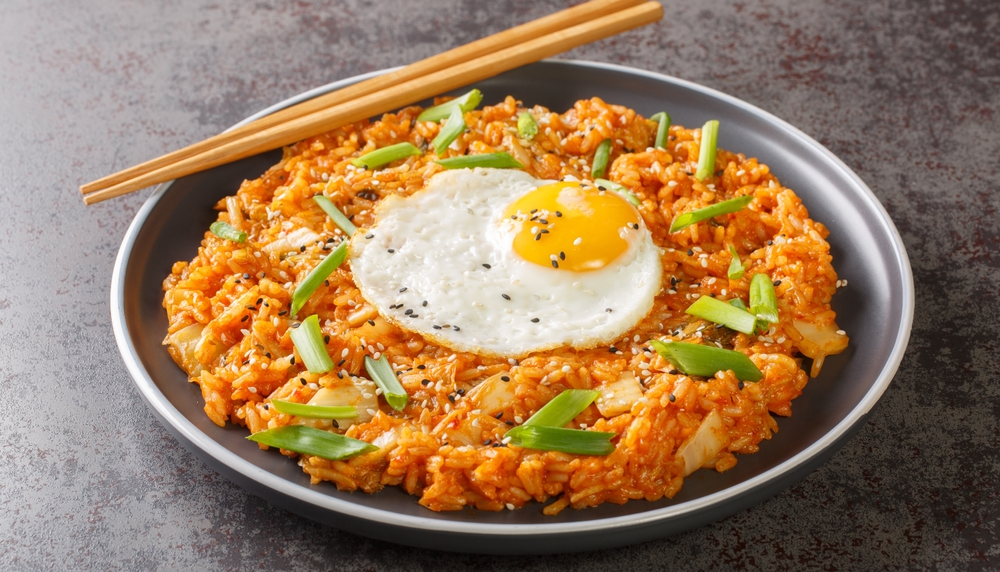
If you’ve got a tub of cold rice sitting in your fridge, you’re already halfway to an incredible meal. Kimchi fried rice (Kimchi Bokkeumbap) is the ultimate quick fix when you want something fast, punchy, and deeply satisfying without spending half an hour over the stove.
The secret to making it taste like something from a late-night street vendor—rather than a wet bowl of warm rice—comes down to high heat, aged kimchi, and day-old rice.
How to Make It
+---------------------------------------------------------------------------------+
| Step 1: Sear Aromatics   -> Sauté garlic & scallion whites in hot oil (1 min)   |
| Step 2: Cook Kimchi      -> Toss in kimchi + gochujang; fry until soft (2-3 min)|
| Step 3: Crisp the Rice   -> Add cold rice + juice; break up & press flat to pan |
| Step 4: Final Touch      -> Kill heat; stir in scallion greens & sesame oil     |
| Step 5: Serve            -> Bowl it up, crown with a runny fried egg            |
+---------------------------------------------------------------------------------+
2. Vegetable Kimbap
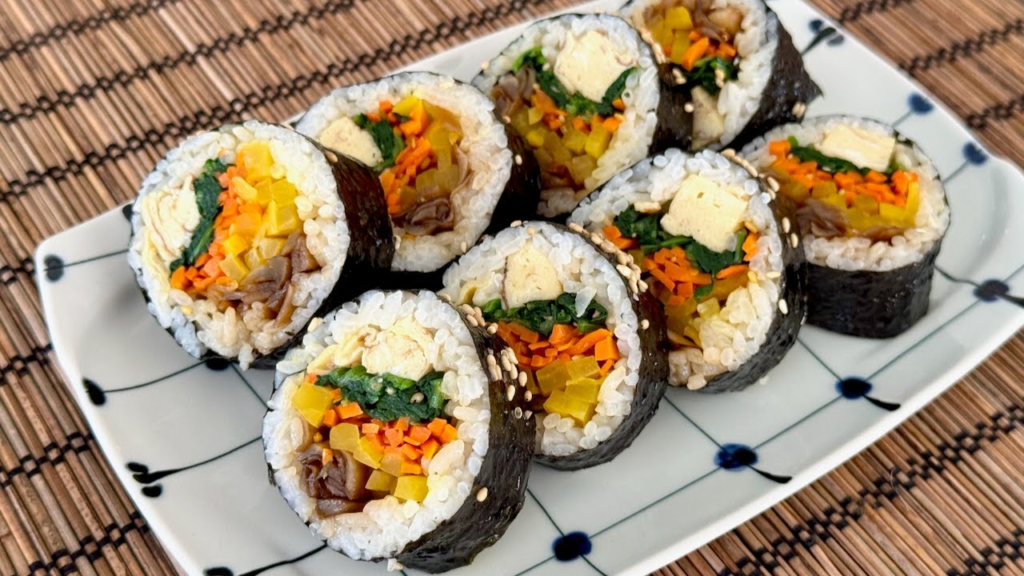
easy version of Yachae Kimbap (야채 김밥), or vegetable kimbap. It’s one of the most basic and familiar types of Korean kimbap, made with seasoned rice, seaweed, vegetables, and a few classic kimbap fillings. Despite the name, yachae kimbap isn’t necessarily vegetarian. It often includes Korean ham and imitation crab alongside the vegetables. If you’d like to make vegetable kimbap without meat or seafood, simply leave those out and add something like seasoned tofu instead
3. Korean Vegetable Pancakes

Crispy, golden, and packed with veggies , these Korean Recipes , vegetable pancakes are my favorite way to turn odds and ends from the fridge into something everyone asks for again and again. Quick to mix up and perfect for dipping in a tangy sauce, they’re the ultimate family-friendly snack or side.
Why You’ll Love these Vegetable Pancakes
Now feeding kids vegetables can feel like an uphill battle some days (right?!), which is why I love recipes like this. These vegetable pancakes are quick to make and such a fun way to serve veggies!
4.Japchae (Korean sweet potato noodles)
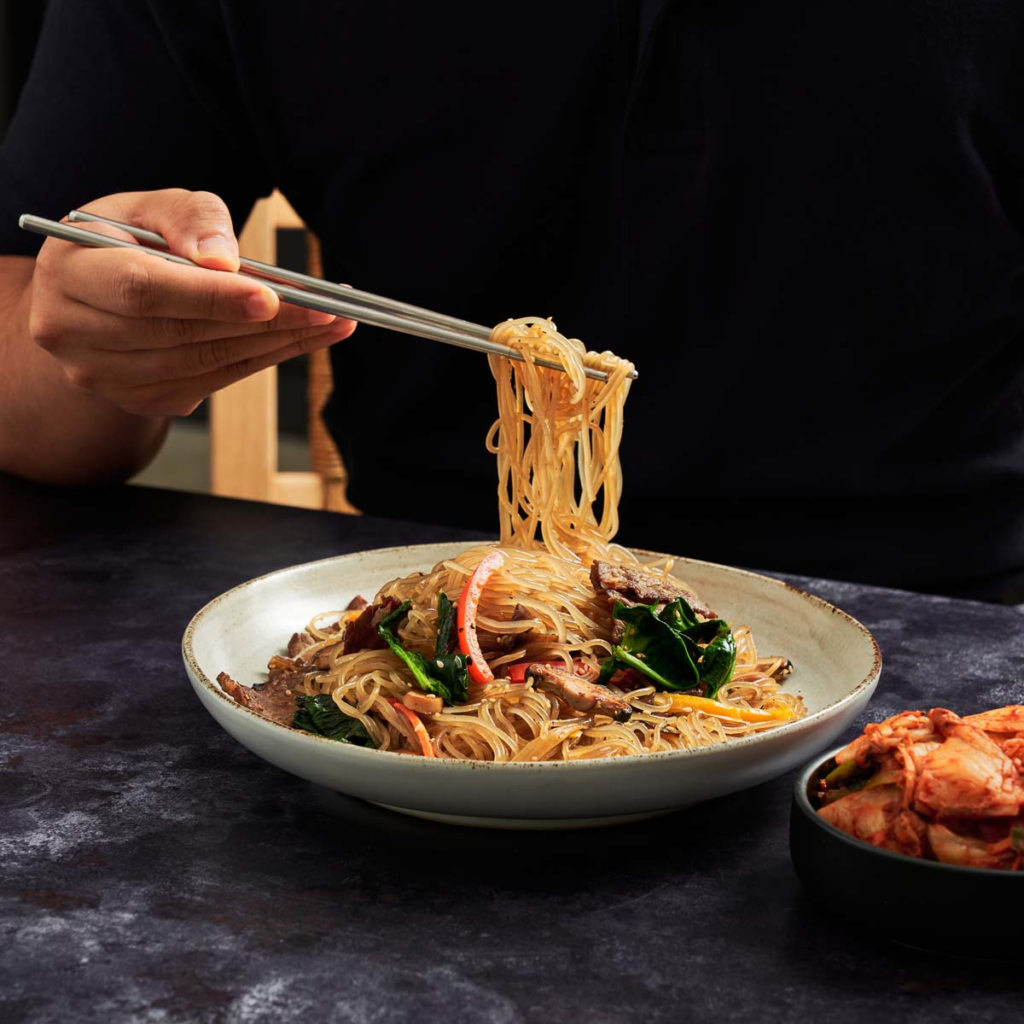
If anyone asks me to recommend a good potluck dish, I don’t hesitate to answer japchae for the simple reason that pretty much everyone loves it. At any gathering it’s hard to pass up these chewy, sweet, and slightly slippery noodles with colorful stir-fried vegetables and mushrooms, its irresistible sesame flavor, healthy amount of garlic, and light, refreshing taste.
Stir frying each ingredient separately seems like a lot of labor, but each one requires a different cooking time and a bit of care, and keeping the color and freshness of each ingredient intact makes for a stunning final presentation. An easy way to make it even prettier and more nutritious is to use more vegetables
5.Korean Sweet Potatoes (Goguma)
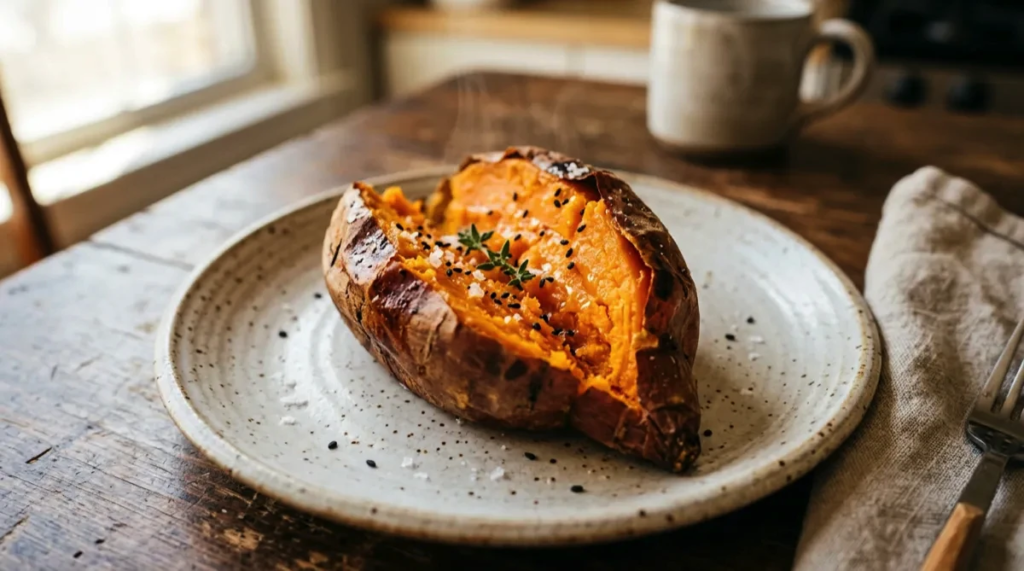
This root vegetable is extremely popular in South Korea and enjoyed in so many ways, including pre-packaged snacks, lattes, noodles, pizzas, stews, desserts, you name it! And in the winter time, it’s such a treat to warm up with a steaming hot sweet potato from a street vendor.
Bam goguma(chestnut sweet potatoes):
These have a chestnut-like flavor, hence the name! They have a golden yellow flesh when roasted and have a denser and drier texture. The skin has a reddish, purple color.
Mul goguma (water sweet potatoes):
These have a higher moisture content compared to the other varieties and have a reddish, purple skin as well. They tend to be thinner and longer in shape.
Hobak goguma (pumpkin sweet potato):
These have a light brown skin and more orange-colored flesh. Once cooked, the color turns golden brown and tastes very sweet with a creamy texture.
Tips for Making Korean Recipes at Home
- Keep useful basics such as soy sauce, sesame oil, garlic, and spring onions in your kitchen.
- Add chilli paste in small amounts so the heat is easier to control.
- Cut and arrange the vegetables before starting the cooking process.
- Taste sauces separately before adding them to the dish.
- Use chilled leftover rice for fried rice whenever possible.
- Change the seasoning according to your personal preference.
- Pair rice and noodle dishes with fresh vegetables or simple side dishes.
FAQ’s
1. What are the best Korean recipes for beginners?
Kimchi fried rice, Korean egg rolls, and bibimbap are great choices for beginners. They are easy to prepare and introduce you to popular Korean flavours.
2. Are Korean recipes always spicy?
No, not all Korean dishes are spicy. You can try Korean egg rolls, japchae, or mild soups and adjust the chilli according to your taste.
3. What ingredients are commonly used in Korean cooking?
Soy sauce, sesame oil, garlic, spring onions, gochujang, and kimchi are common ingredients in many Korean recipes.
4. Can I make Korean food without traditional ingredients?
Yes, you can use suitable substitutes for some ingredients. The flavour may be slightly different, but you can still prepare a delicious homemade dish.
5. What Korean dish should I try first at home?
Kimchi fried rice is a good starting point because it is simple, filling, and does not require complicated cooking techniques.