
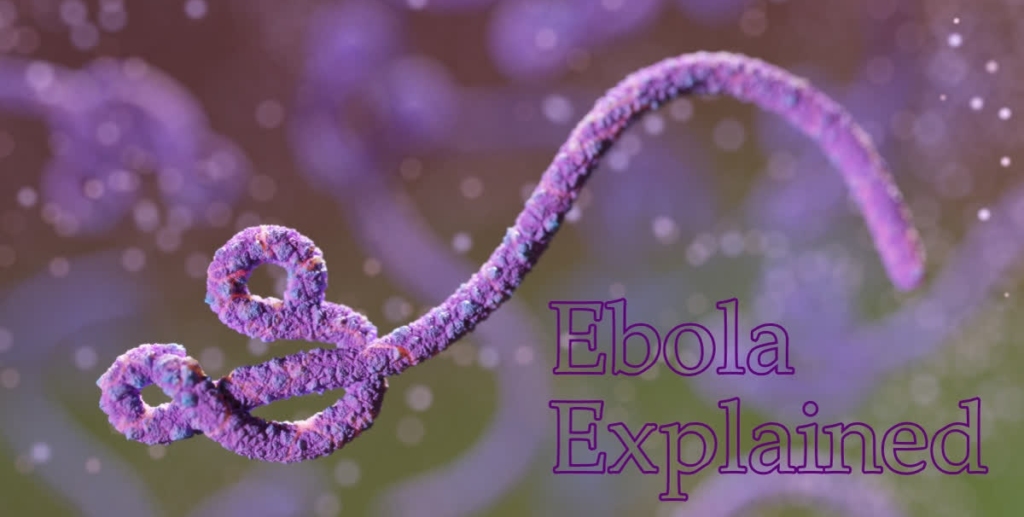
The Ebola virus remains one of the world’s most feared infectious diseases. Even though outbreaks are relatively rare, the virus can spread quickly and cause severe illness with high fatality rates if not controlled early. In 2026, renewed concerns about Ebola outbreaks in parts of Africa have once again placed global health systems on alert. Governments, healthcare organizations, and international agencies are working together to monitor cases, protect communities, and prevent the disease from spreading across borders.
Understanding Ebola is important not only for people living in affected regions but also for travelers, healthcare workers, and anyone following global health news. This guide explains what Ebola is, how it spreads, the symptoms to watch for, current outbreak updates in 2026, treatment options, and how individuals can stay safe.
What Is Ebola?
Ebola is a serious and often deadly disease caused by a group of viruses known as ebolaviruses. The disease was first identified in 1976 near the Ebola River in what is now the Democratic Republic of Congo. Since then, several outbreaks have occurred, mainly in African countries.
Ebola affects humans and some animals, including monkeys, chimpanzees, and bats. The virus attacks the immune system and organs, leading to severe complications such as internal bleeding, dehydration, and organ failure.
Although Ebola is dangerous, modern medical care and faster outbreak response systems have improved survival rates compared to earlier decades.
Why Is Ebola in the News in 2026?
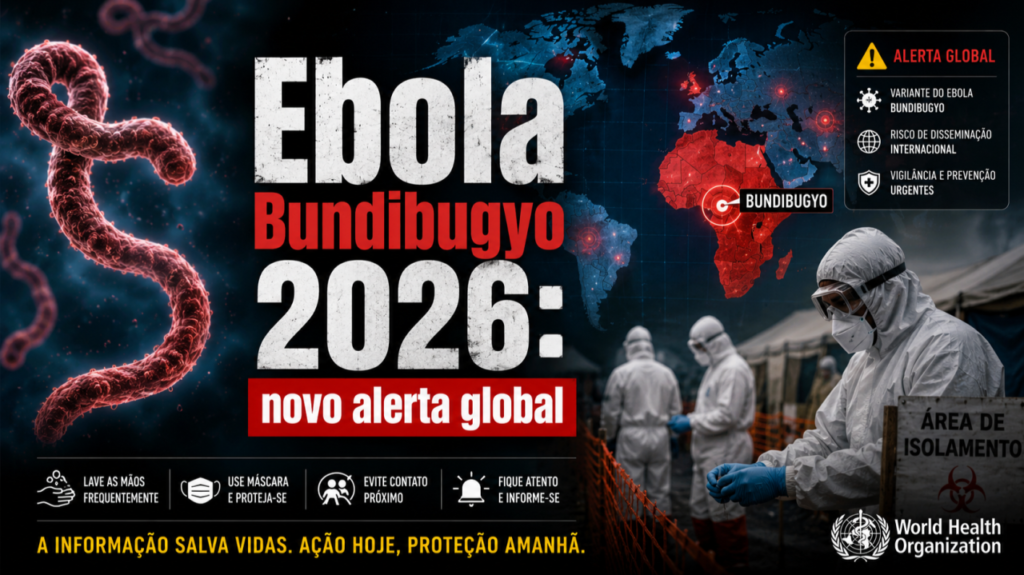
In 2026, health authorities have been closely monitoring new Ebola cases reported in parts of Central and East Africa. Several countries increased border screenings and public health surveillance after local outbreaks raised concerns about regional spread.
International organizations such as World Health Organization and Centers for Disease Control and Prevention have been coordinating with local governments to contain infections, trace contacts, and distribute vaccines where needed.
The situation has gained worldwide attention because global travel can increase the risk of infectious diseases crossing borders. However, experts continue to emphasize that Ebola does not spread as easily as common respiratory viruses like influenza or COVID-19.
How Does Ebola Spread?
Ebola spreads through direct contact with bodily fluids from an infected person or animal. These fluids include blood, saliva, sweat, vomit, urine, breast milk, and semen.
People can become infected by:
- Touching contaminated surfaces or medical equipment
- Caring for infected patients without protective gear
- Handling infected animals or raw meat
- Participating in burial ceremonies involving direct contact with the body
Unlike airborne diseases, Ebola does not spread through casual contact such as walking past someone in public or sharing the same room briefly.
Healthcare workers are among the highest-risk groups during outbreaks because they are in close contact with patients. This is why hospitals use strict infection-control procedures when treating suspected Ebola cases.
Symptoms of Ebola
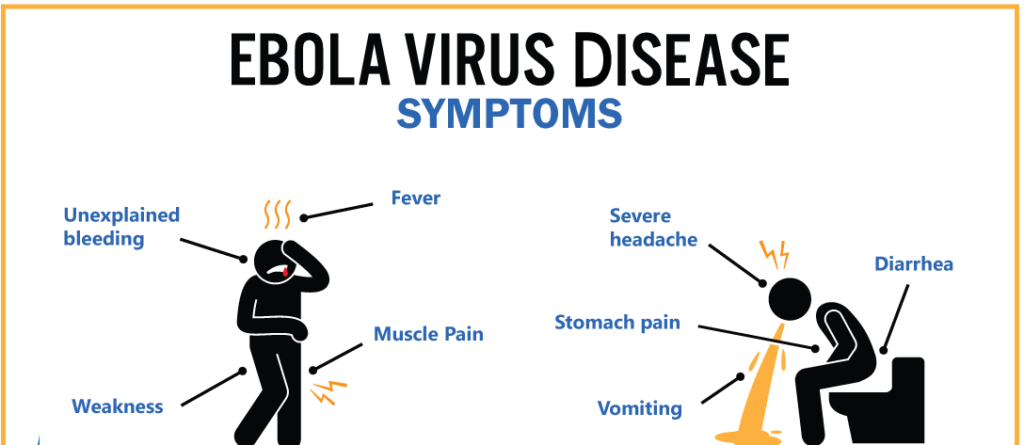
Symptoms usually appear between 2 and 21 days after exposure to the virus. Early symptoms may resemble common illnesses, making diagnosis difficult in the beginning.
Common symptoms include:
- Fever
- Severe headache
- Muscle pain
- Weakness and fatigue
- Sore throat
As the disease progresses, patients may experience:
- Vomiting
- Diarrhea
- Skin rash
- Stomach pain
- Internal and external bleeding
- Difficulty breathing
- Organ failure
Not every patient experiences bleeding, despite Ebola often being described as a hemorrhagic fever. In many cases, severe dehydration and shock become major health concerns.
Anyone showing symptoms after traveling to an affected area or having contact with an infected person should seek medical care immediately.
Which Countries Are Most Affected?
Historically, Ebola outbreaks have mainly occurred in African nations, particularly:
- Democratic Republic of Congo
- Uganda
- Guinea
- Sierra Leone
- Liberia
The largest outbreak in history occurred between 2014 and 2016 in West Africa, causing thousands of deaths and overwhelming healthcare systems in several countries.
In 2026, health authorities continue to monitor regions where the virus has previously appeared. Neighboring countries often increase screenings at airports and border crossings during outbreaks to reduce the risk of transmission.
Despite public concern, experts note that most Ebola outbreaks remain geographically limited when rapid response measures are implemented.
How Is Ebola Diagnosed?
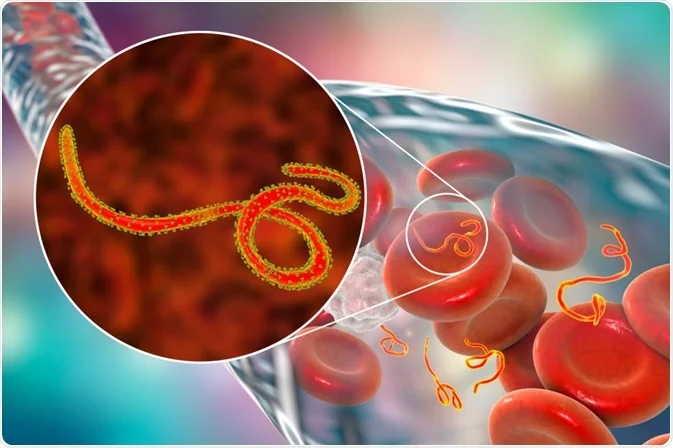
Doctors diagnose Ebola using laboratory tests that detect the virus in blood samples. Since early symptoms can resemble malaria, typhoid, or flu-like illnesses, accurate testing is critical.
Patients suspected of having Ebola are usually isolated immediately while waiting for test results. Medical teams also identify and monitor anyone who had close contact with the infected person.
Quick diagnosis plays a major role in stopping outbreaks because it allows healthcare workers to isolate patients and begin treatment early.
Treatment Options in 2026
There is no universal cure for Ebola, but treatment methods have improved significantly in recent years.
Modern Ebola care includes:
- Intravenous fluids to prevent dehydration
- Oxygen therapy
- Medications to maintain blood pressure
- Treatment for secondary infections
- Pain and fever management
Researchers have also developed antibody-based therapies that help the immune system fight the virus more effectively. These treatments have improved survival rates in many patients.
Supportive medical care remains one of the most important factors in recovery. Patients treated early in well-equipped healthcare facilities have a much higher chance of survival.
Ebola Vaccines and Prevention
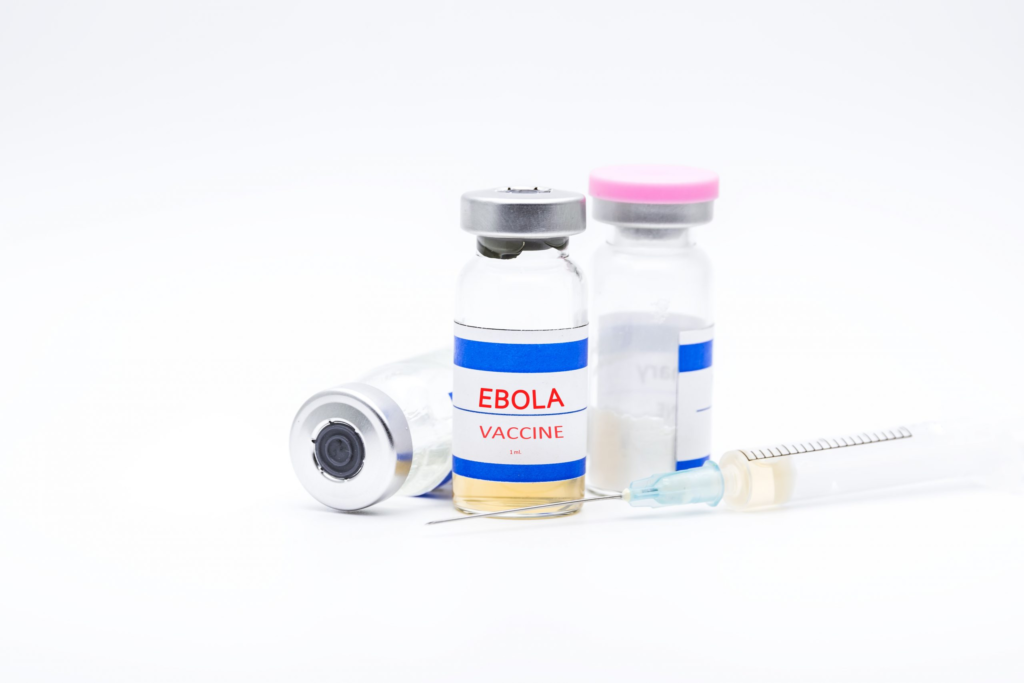
h has been the development of Ebola vaccines. Vaccination campaigns are now commonly used during outbreaks to protect healthcare workers and close contacts of infected patients.
The most widely used vaccine has shown strong effectiveness in preventing the spread of certain Ebola strains.
Preventive measures include:
- Avoiding direct contact with infected individuals
- Washing hands regularly
- Wearing protective equipment in healthcare settings
- Practicing safe burial procedures
- Monitoring travelers from affected regions
Public education campaigns are also essential. During outbreaks, misinformation and fear can spread quickly, making it harder for health officials to control the disease.
The Global Response to Ebola
The global response to Ebola has changed dramatically over the past decade. During earlier outbreaks, delayed action often allowed the virus to spread widely. Today, international cooperation is faster and more organized.
Organizations such as the WHO, CDC, and humanitarian groups deploy emergency teams to affected areas to provide:
- Medical support
- Laboratory testing
- Vaccines
- Public health education
- Contact tracing
Many countries also maintain emergency preparedness plans in case imported cases are detected.
Technology has improved outbreak tracking as well. Health officials now use digital monitoring systems and real-time reporting tools to identify potential cases faster than before.
Should People Be Worried in 2026?
Ebola remains a serious disease, but public health experts stress that global preparedness is much stronger today than it was during earlier outbreaks.
For most people outside affected regions, the immediate risk remains low. Countries with advanced healthcare systems have screening protocols and emergency procedures designed to contain isolated cases quickly.
However, Ebola continues to highlight the importance of global health cooperation. Infectious diseases can spread rapidly in an interconnected world, making early detection and international support essential.
Travelers visiting affected areas should follow government travel advisories and health recommendations carefully.
FAQ’s
Best Terrace Gardening Ideas for a Green and Beautiful Home
A Terrace Gardening can look completely different once you start keeping plants there. Earlier, I…

Best Small House Elevation Ideas: Simple and Modern Designs
When someone starts planning a new house, the first things that usually come to mind…

Emotional Boundaries: How to Set Healthy Limits in Relationships
I used to think that being a good person meant being available whenever someone needed…

Popular Indian Fast Food: Delicious Snacks You’ll Love
There are days when you leave home thinking you are not hungry at all, and…

Daily Hydration Tips for Better Health and Energy
We’ve all hit that wall around 3:00 PM. You are staring at your screen, reading…

Best Bedroom Ideas for a Cozy and Beautiful Home
A bedroom should feel comfortable before it feels stylish. You can have beautiful furniture and…