
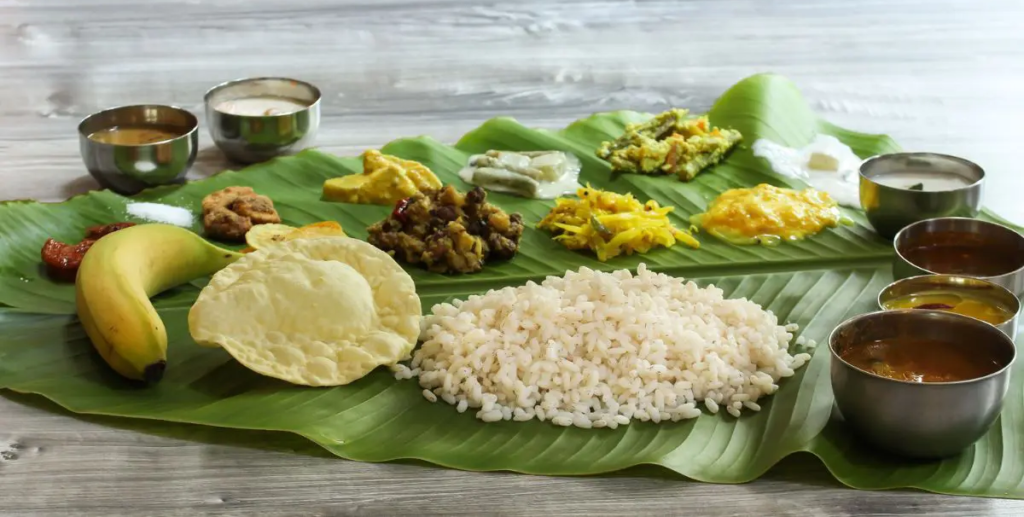
That pro tip about crushing a crispy papadum directly into warm, jaggery-rich Payasam is an absolute game-changer—that sweet-and-salty combination is pure magic.Onam Feast Here is a fresh, deeply human version of the blog post, rewritten with vibrant sensory detail and a warm, personal rhythm.
Ask anyone who celebrates Onam what they look forward to most, and you’ll get the same answer nine times out of ten: the food. But it’s never just about filling your stomach. It’s the smell of curry leaves crackling in hot coconut oil, the rustle of fresh banana leaves being washed, and the easy laughter echoing from a crowded dining room.
We eat good food all year round, but festival food carries a different kind of weight. It’s infused with memory, family traditions, and a shared sense of joy. At the heart of it all sits the Onam Sadya—less of a meal and more of a celebrated ritual.
The Unfolding Canvas
Sitting down to a Sadya is an experience in anticipation.
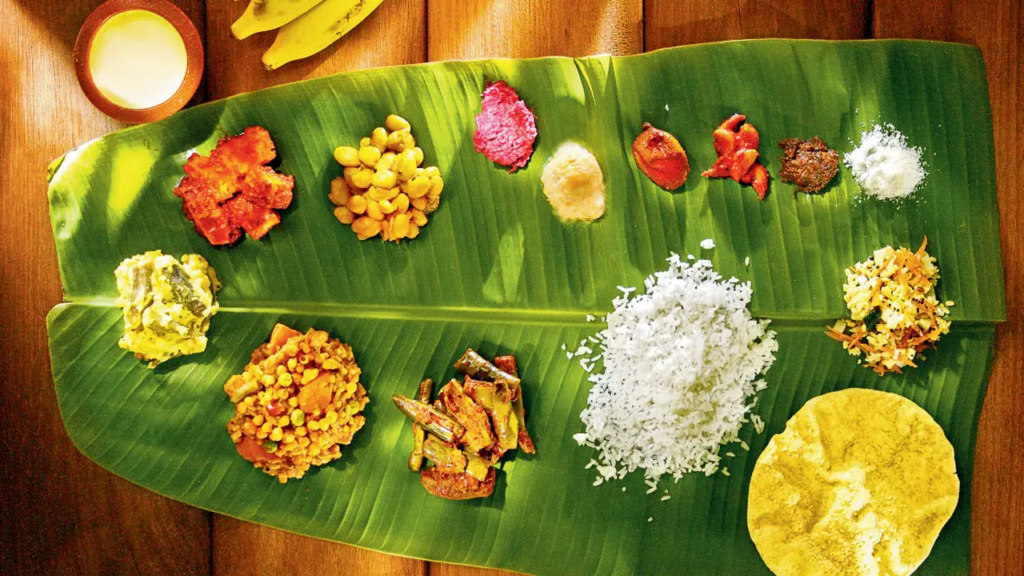
It starts with a glossy, broad banana leaf smoothed out before you. For a moment, it’s a clean slate. Then comes the rhythm of service. People move down the row with buckets and ladles, placing small, deliberate scoops of vibrant food along the edges. Within minutes, that plain leaf morphs into a brilliant mosaic of creams, fiery reds, deep greens, and golden yellows.
You’re suddenly faced with over twenty different elements, each offering a distinct texture or flavor Onam Feast . Tangy, fiery, soothing, crisp, and sweet sit side-by-side. For a newcomer, it’s a glorious puzzle. Where do you start? You start anywhere you like. There are no test scores here—just an invitation to dive in.
The Flavors That Build the Experience
A true Sadya is a masterclass in culinary balance. Every single item serves a purpose, preventing your palate from ever getting overwhelmed.
- Matta Rice: Thick, earthy, and warm, this pinkish rice acts as the comforting foundation for everything else.
- Parippu & Sambar: The warm starters. First comes yellow lentils drizzled with homemade ghee, followed by a rich, spice-heavy vegetable stew.
- Avial: The undeniable heart of the leaf. A thick, fragrant mix of local vegetables bound together by freshly grated coconut, cumin, and cool curd.
- Thoran: Dry, finely chopped vegetables sautéed with mustard seeds, curry leaves, and generous heapings of coconut for crunch.
- Olan: Soft ash gourd and cowpeas simmered gently in light coconut milk. It’s delicate and mild, offering a quiet break between punchier dishes.
- Pachadi & Kichadi: Refreshing yogurt-based sides spiked with mustard and brought to life with pineapple, beetroot, or cucumber.
- The Essential Sides: Crisp banana chips, dark Sharkara Upperi (jaggery-coated banana bites), extra-large papadums, and sharp, salty pickles that wake up your senses.
- Payasam: The triumphant conclusion. Just when you think you couldn’t possibly eat another bite, out comes the sweet, cardamom-scented dessert cooked down with milk or dark jaggery.
The Geometry of the Leaf
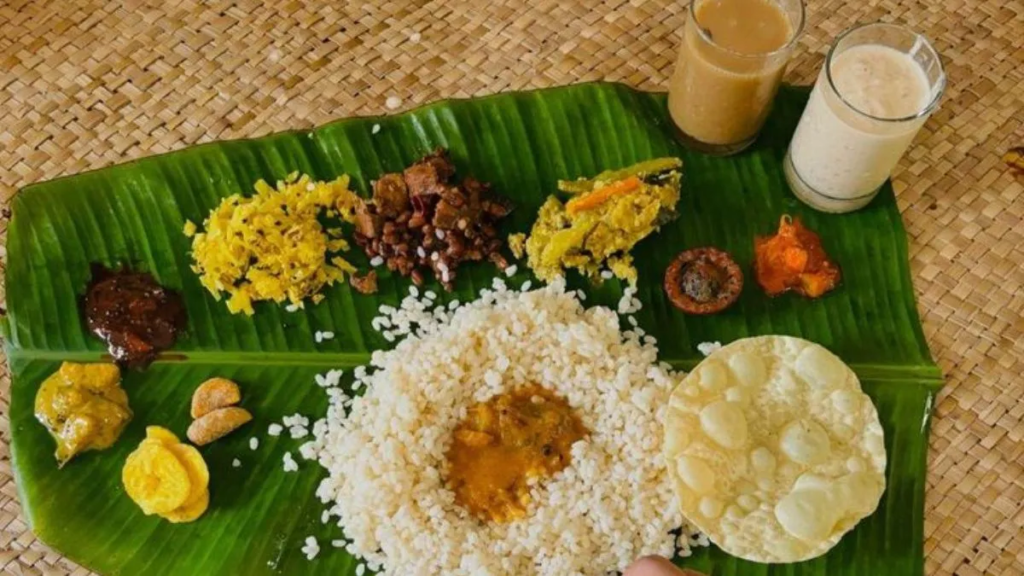
Eating off a banana leaf isn’t just a nod to eco-friendly tradition; it changes the way food tastes.
When hot rice hits the smooth, waxy surface of a fresh leaf, it releases an earthy aroma that subtly enhances the entire meal. Eating with your fingers grounds you in the moment, turning lunch into a tactile, sensory experience.
Even the way you finish has a language of its own. When you fold your leaf inward toward yourself at the end of the meal, you’re silently telling your host: That was deeply satisfying.
The Magic Is in the Room
If you stripped away the intricate curries and the crisp chips, the true essence of Sadya would remain intact: connection.
The sweetest parts of the meal usually happen between servings:
- Catching someone quietly loading their leaf with extra banana chips.
- Relatives nudging you to accept just one more scoop of Payasam.
- Debate breaking out over whose family recipe gets the Avial just right.
In a world where we so often swallow lunch while staring at phones or working through breaks, a Sadya demands your full attention. It asks you to sit, linger, pass the dishes, and talk.
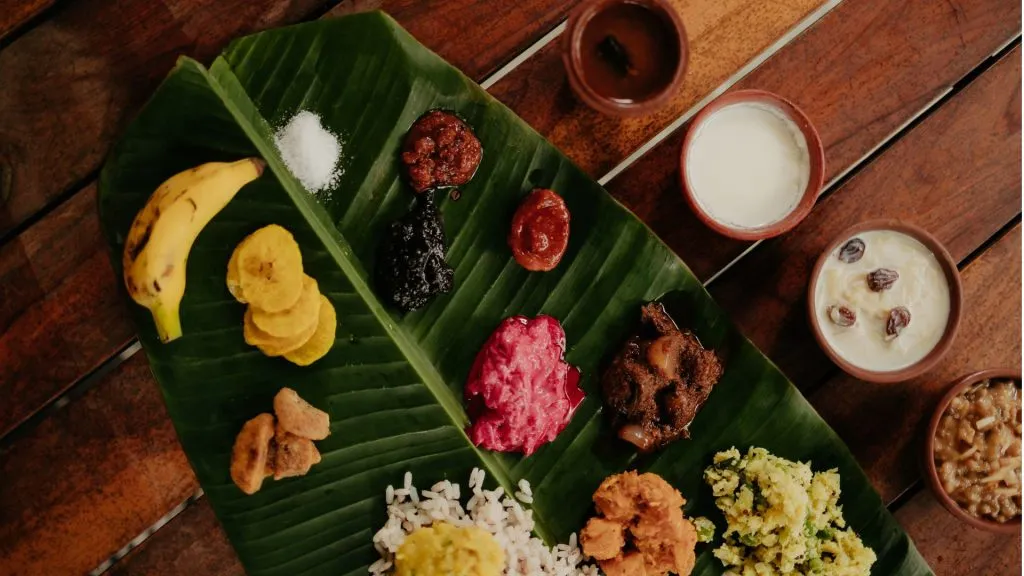
Our lives are faster now. Preparing a full, multi-course Sadya from scratch takes hours of effort that not everyone has time for anymore. Many families today order catering, split the cooking duties, or gather at local restaurants to celebrate.
And that’s the beauty of it—the medium can adapt, but the heart of the tradition remains solid. Onam Sadya grounds us. It reminds us of home, honors the season, and gives us a genuine reason to slow down with the people who matter most.
Whether you’re someone who saves room for three rounds of Payasam or a first-timer holding a banana leaf for the very first time—take it slow, pass the pickles, and savor every moment.
Which dish on the Sadya leaf do you always ask for seconds of first?
Frequently Asked Questions (FAQs)
1. What is Onam Sadya?
Onam Sadya is a traditional vegetarian feast from Kerala, usually prepared during Onam. It includes rice, curries, vegetables, pickles, banana chips and Payasam, traditionally served on a banana leaf.
2. Why is Onam Sadya served on a banana leaf?
Serving Sadya on a banana leaf is a traditional part of Kerala’s dining culture. It gives the meal an authentic feel and is an important part of the traditional Sadya experience.
3. What dishes are commonly served in Onam Sadya?
Common dishes include rice, sambar, avial, thoran, olan, pachadi, kichadi, pickles, banana chips and different varieties of Payasam. The exact menu can vary between families and celebrations.
4. What is the most popular dessert in Onam Sadya?
Payasam is the traditional sweet dish served at the end of Sadya. There are several varieties, with recipes often differing from one family or region to another.
5. Why is Onam Sadya important to Kerala’s culture?
Onam Sadya represents more than food. It brings families and communities together and helps preserve Kerala’s traditional recipes, dining customs and cultural heritage.