

If there’s one thing you never have to worry about while traveling across India, it’s finding a place to grab a quick bite. Take a train two hours in any direction, step off the platform, and suddenly the street corner smells completely different than the city you just left. That’s the real beauty of Indian street food—it isn’t fancy, sitting down at a table with cloth napkins, but it’s real, fast, and intensely local. You’re standing on a crowded sidewalk, watching someone work a hot griddle at hyper-speed while traffic hums behind you, waiting for a paper plate handed straight to your hands.
Every region guards its local specialties fiercely. Delhi leans heavy into rich chaats and hot parathas, Mumbai thrives on quick carb-loaded handhelds to feed millions on the move, Kolkata rolls up spiced fillings in flaky parathas, and cities like Indore practically turn late-night eating into a full-time sport. If you want to taste what people actually eat on an ordinary Tuesday afternoon, these are the street foods that belong at the top of your list.
Pani Puri
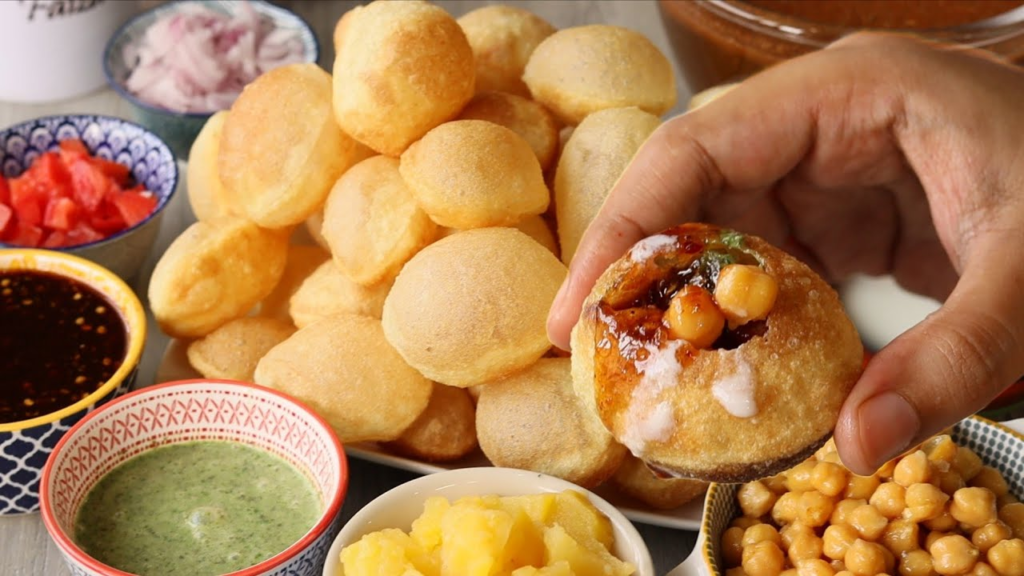
Everyone has their own unwritten rules for eating pani puri. Call it gol gappa in the north, puchka in Kolkata, or gupchup in Odisha—the basic ritual stays the same. The vendor pokes a small hole in a fragile, hollow fried shell with his thumb, stuffs it with cold potatoes or boiled chickpea mash, scoops up a ladle of ice-cold spiced mint water, and hands it over. You have about two seconds to pop the whole thing into your mouth before the shell turns soggy.
It’s an absolute explosion of flavor: icy, spicy, sour, and crunchy all in one second flat. You don’t order a big plate and eat it slowly with a fork; you stand in a circle around the cart, bowl in hand, taking them one by one as fast as the vendor can dunk and serve. Once you finish your set, don’t forget to ask for your free sukha puri—a dry, sweet-and-spicy shell to finish it off.
Vada Pav
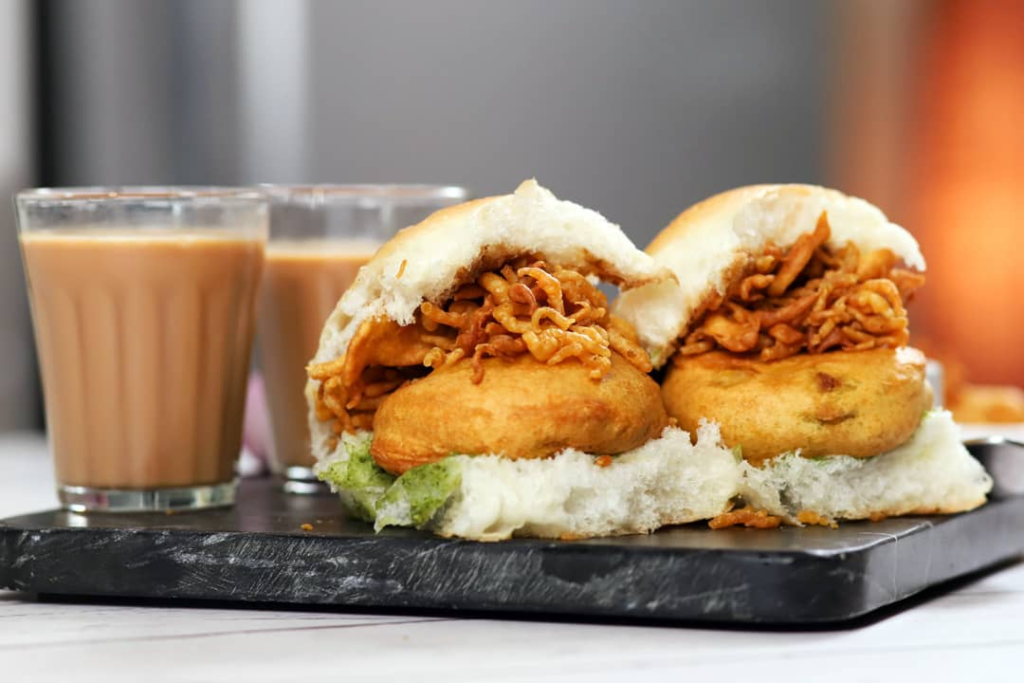
If Mumbai had an official fuel source, it would be vada pav. Born as a cheap, quick lunch option for factory workers back in the 1960s, this simple snack is now sold on almost every major street corner near local train stations. It’s essentially a Indian-style burger: a heavily seasoned, deep-fried mashed potato ball stuffed inside a soft bread bun (pav) smeared with spicy garlic-coconut chutney and green chili sauce.
There’s no pretense here. It costs very little, takes ten seconds to grab, and gives you enough energy to keep walking through the humid city heat. Pair it with a fried salted green chili on the side if you can handle the heat, along with a tiny glass of hot cutting chai.
Samosa
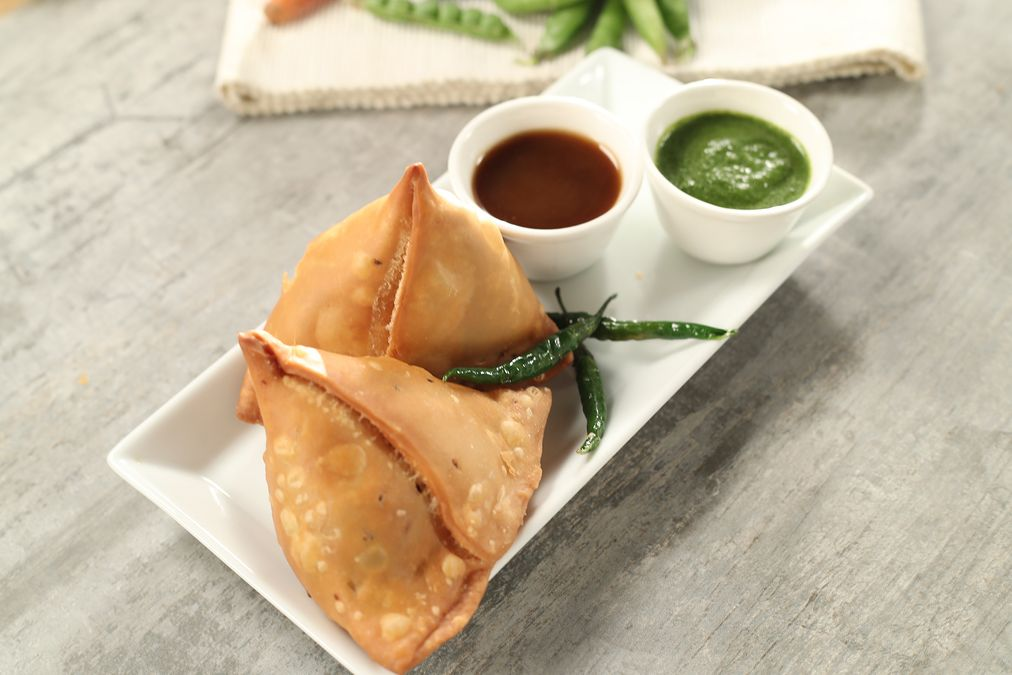
The samosa needs no introduction, but eating one hot off a street vendor’s massive cast-iron skillet is miles away from buying a cold one at an airport lounge. The outer pastry shell—thick, flaky, and blistered from hot oil—holds a hot filling of coarsely mashed potatoes, green peas, cumin seeds, crushed coriander, and dried mango powder.
In North India, you’ll often see vendors break the crisp top open with a spoon and pour hot chickpea curry right over it, topping the whole mess with raw chopped onions and sweet tamarind chutney. It’s the ultimate rainy-afternoon snack, best consumed while standing under a tea stall awning waiting for a monsoon downpour to pass.
Aloo Tikki Chaat
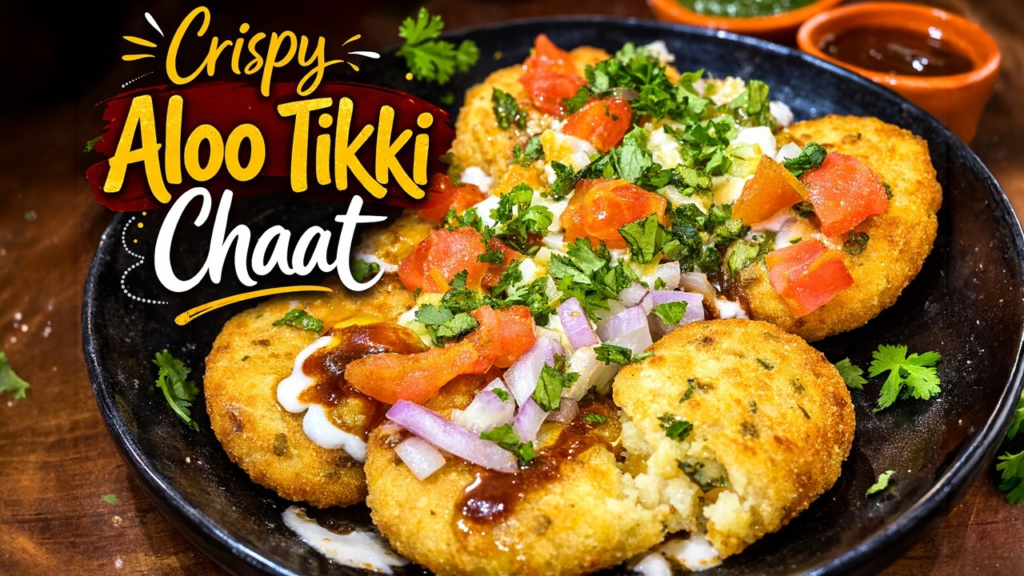
If you like your food to hit every single tastebud at once, aloo tikki chaat is the gold standard. The vendor takes shallow-fried potato patties, presses them flat onto a hot iron griddle until the skin turns golden-brown and extra crisp, then places them into a small paper bowl.
Then comes the assembly line of toppings: sweet churned yogurt, spicy mint-coriander chutney, dark tamarind-date sauce, roasted cumin powder, red chili, and a handful of crunchy sev (fried chickpea noodles). One bite is warm and crisp from the potato, cool and creamy from the yogurt, and intensely sweet-tangy from the chutneys.
Pav Bhaji
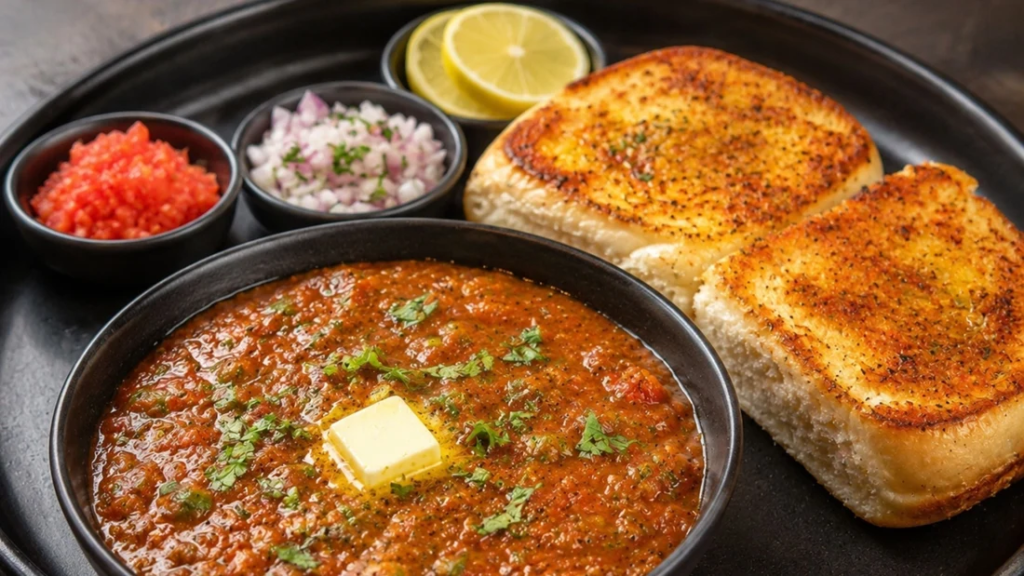
You’ll usually smell a pav bhaji stall before you actually locate it on the street. Vendors operate over wide, flat iron griddles (tavas), furiously mashing a mix of boiled potatoes, tomatoes, peas, and peppers with heavy wooden mashers while throwing in generous slabs of butter and spicy masala mixes.
The hot, spicy vegetable gravy is served piping hot, squirted with fresh lime juice, and paired with soft bread rolls that have been toasted on the very same griddle until completely soaked in butter. It’s messy, rich, and utterly satisfying—especially late at night when the city temperature drops.
Chole Bhature
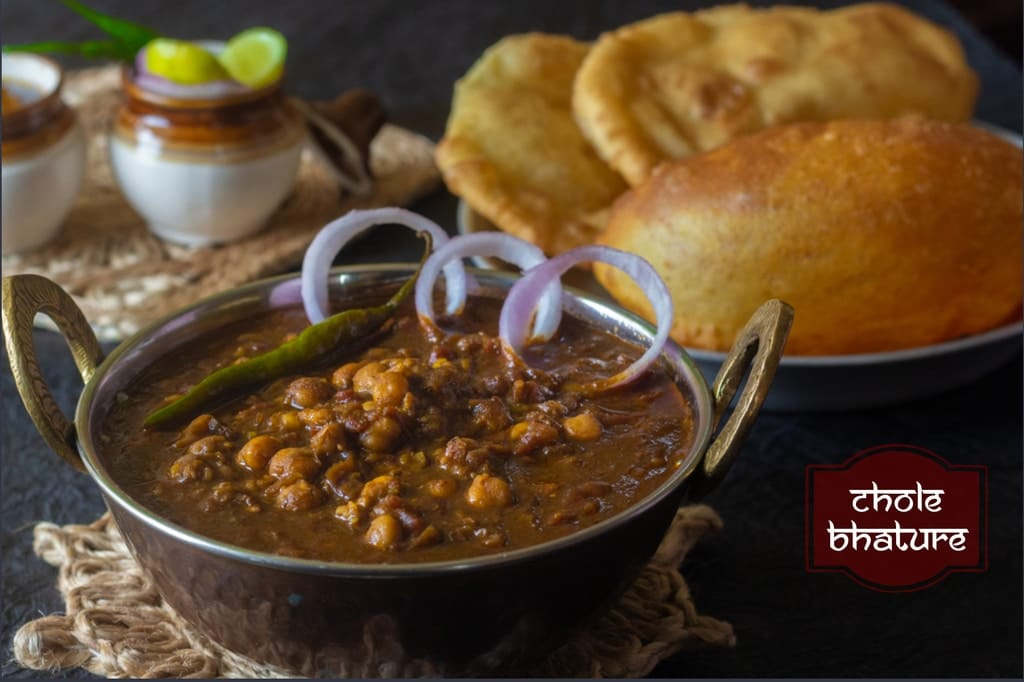
This isn’t light street food; it’s a serious commitment. Chole bhature is the undisputed heavy hitter of North Indian street culture, popular for Sunday morning breakfasts and long lunches. The dish pairs a dark, deeply spiced chickpea curry (chole) with a massive, balloon-like fried bread (bhatura) made from refined flour dough.
Tearing off a piece of hot, puffy bhatura and scooping up the tangy, aromatic chickpeas is an experience every food lover needs once. It almost always comes served with sliced red onions, a wedge of lime, and super-spicy green chili or mango pickles to cut through the richness.
Kathi Roll
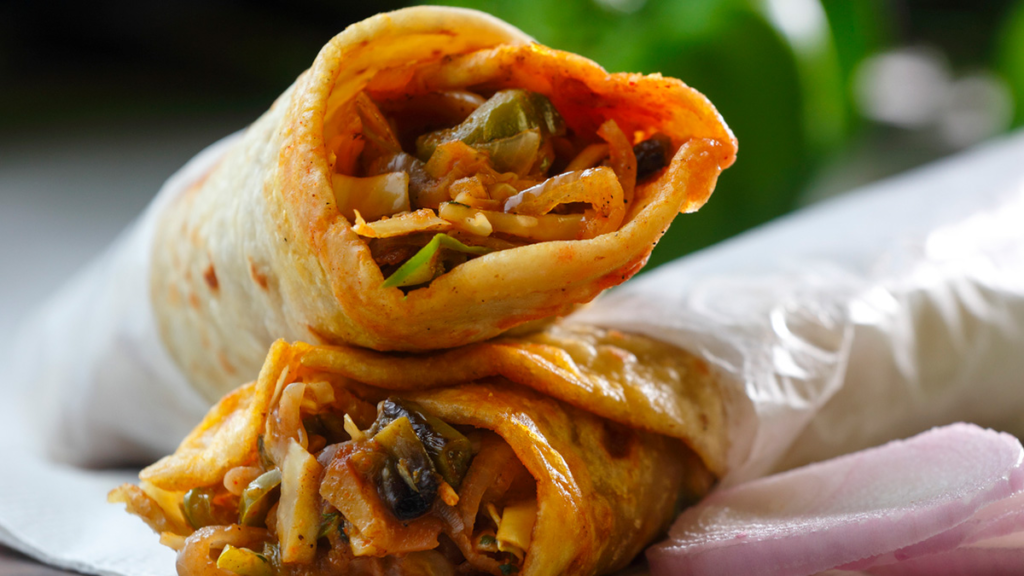
Originating from Kolkata’s legendary Nizam’s roll shop decades ago, the kathi roll is India’s original portable street food. A thin paratha bread is cooked over a flat pan, often coated with a fried egg on one side, and then filled with skewer-roasted mutton, chicken kababs, or spiced paneer cubes.
The filling gets tossed with sliced raw onions, chopped green chilies, a squeeze of fresh lemon juice, and a dash of chaat masala before being rolled tightly into a sheet of paper. It’s easy to eat while walking through Kolkata’s chaotic lanes, greasy in the best way possible, and packed with smoky flavor.
Indori Poha
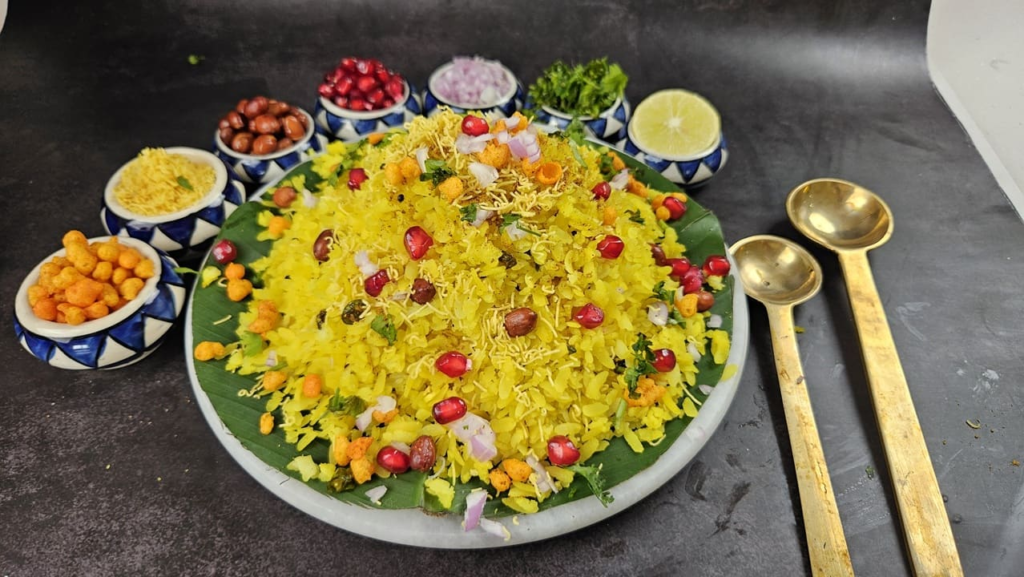
Poha (flattened rice) is cooked all over Central and Western India, but the city of Indore takes it to an entirely different level. Indori poha isn’t just tossed in a pan; it’s gently steamed in huge pots over hot water, keeping the rice flakes remarkably soft, light, and airy instead of dry or chewy.
It’s seasoned lightly with turmeric and mustard seeds, then built up with toppings: raw chopped onions, fresh cilantro, a pinch of local jeeravan masala (a spicy-tangy spice blend), and a generous heap of crunchy Indori ratlami sev. The classic way to eat it? Paired right alongside a hot, sticky-sweet jalebi straight out of the frying oil for an amazing sweet-savoury breakfast contrast.
Bhutte Ka Kees
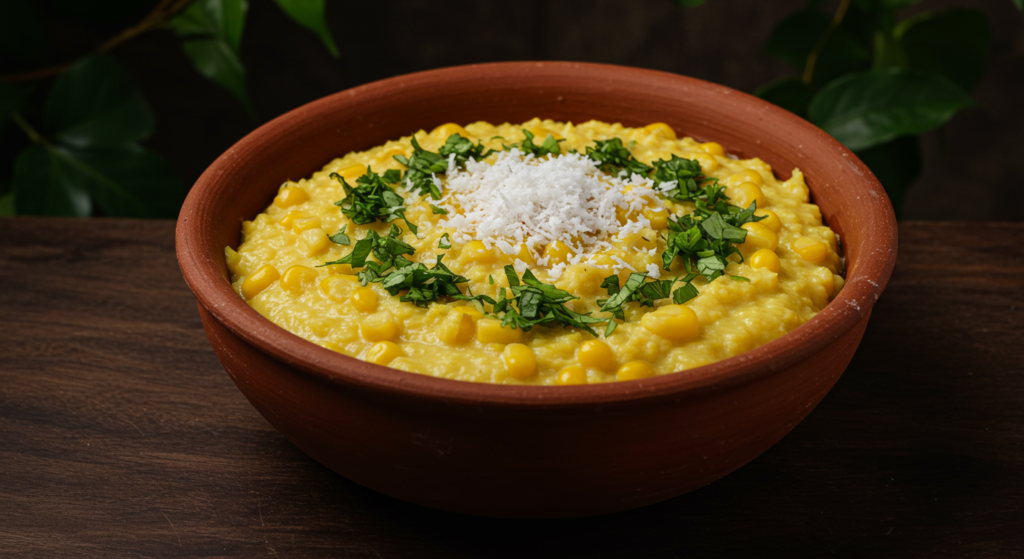
If you find yourself in Madhya Pradesh during the cooler months, look out for bhutte ka kees. It’s a regional specialty made by fine-grating fresh sweet corn and slow-cooking it with ghee, mustard seeds, green chilies, milk, and subtle spices until it turns into a soft, creamy porridge-like texture.
It doesn’t look flashy in the pan, but the taste is subtle and comforting—sweet from the natural corn milk, rich from the ghee, and gently warmed by subtle spice. Served topped with fresh coconut shavings and cilantro, it’s a great example of how regional street vendors turn basic local crops into something unique.
Dahi Puri
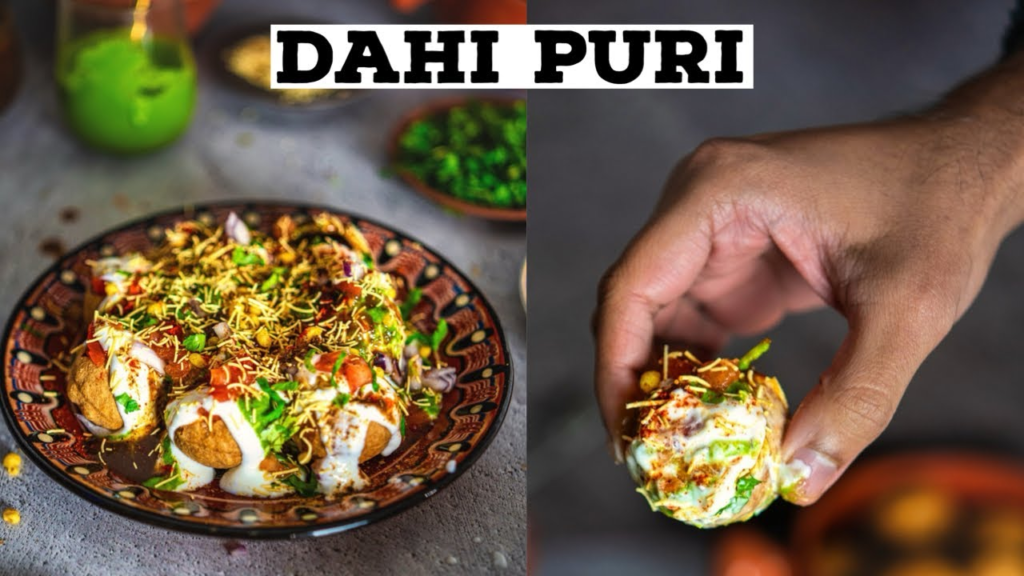
If you want all the fun of pani puri without the searing spice, dahi puri is your best bet. It uses the exact same tiny fried shells, but instead of dunking them in cold spiced water, the vendor fills each shell with potato and boiled sprouts, then smothers the whole plate in sweetened chilled yogurt.
A heavy drizzle of red tamarind chutney, green mint sauce, roasted spices, and fine sev turns the dish into a colorful, melt-in-your-mouth street snack. It’s sweet, cool, crunchy, and refreshing on a hot afternoon.
Jalebi
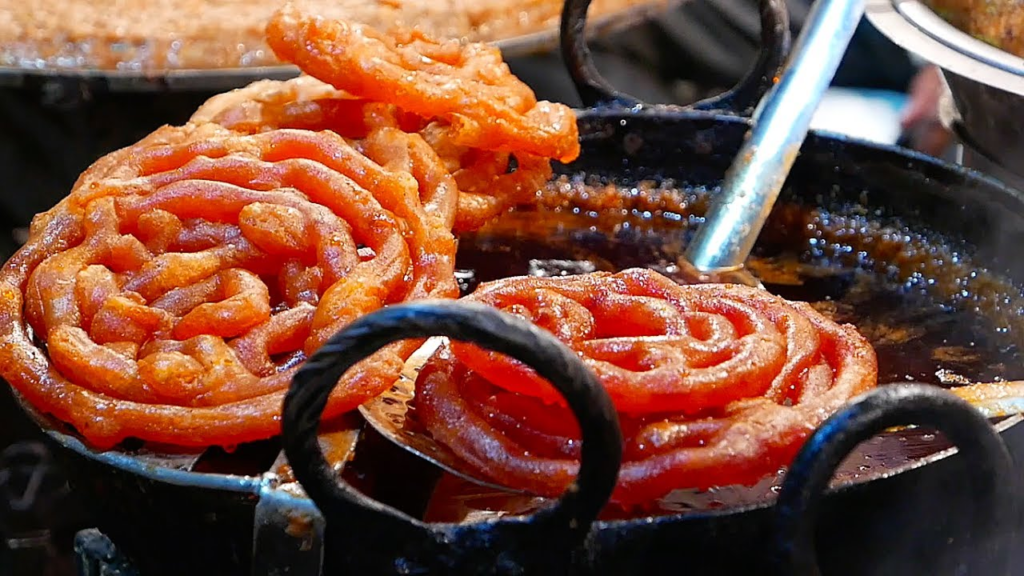
When you’re ready to switch from savory to sweet, hunt down a street sweets stall with a massive round vat of bubbling ghee. Jalebi is made by piping fermented flour batter into intricate swirling spirals directly into hot oil, frying them until crisp, and immediately soaking them in warm cardamom and saffron sugar syrup.
A great street jalebi shouldn’t be soft or soggy; it should snap cleanly when you bite into it, releasing a warm burst of sweet syrup. Eat them hot right off the counter while the spirals are still glistening.
FAQ’s
1. What are the most popular street foods in India?
Some popular Indian street foods include pani puri, samosa, vada pav, pav bhaji, chaat, jalebi, kathi rolls, poha, and chole bhature. Different cities and regions have their own specialities.
2. Which city is famous for street food in India?
Several Indian cities are well known for street food, including Delhi, Mumbai, Kolkata, Lucknow, Amritsar, and Indore. Each city has its own flavours and local dishes.
3. Which Indian street food is best for breakfast?
Poha with jalebi is a popular breakfast combination in cities such as Indore and Bhopal. It combines light, savoury poha with the sweetness of jalebi.
4. What street food is famous in Mumbai?
Mumbai is particularly known for street foods such as vada pav, pav bhaji, pani puri, and sev puri. These snacks can be found at many popular food areas around the city.
5. Why is Indian street food so popular?
Indian street food is popular because it offers a huge variety of flavours, textures, and regional traditions. From spicy and tangy chaats to sweet treats and filling snacks, every region brings something different to the street-food scene.