
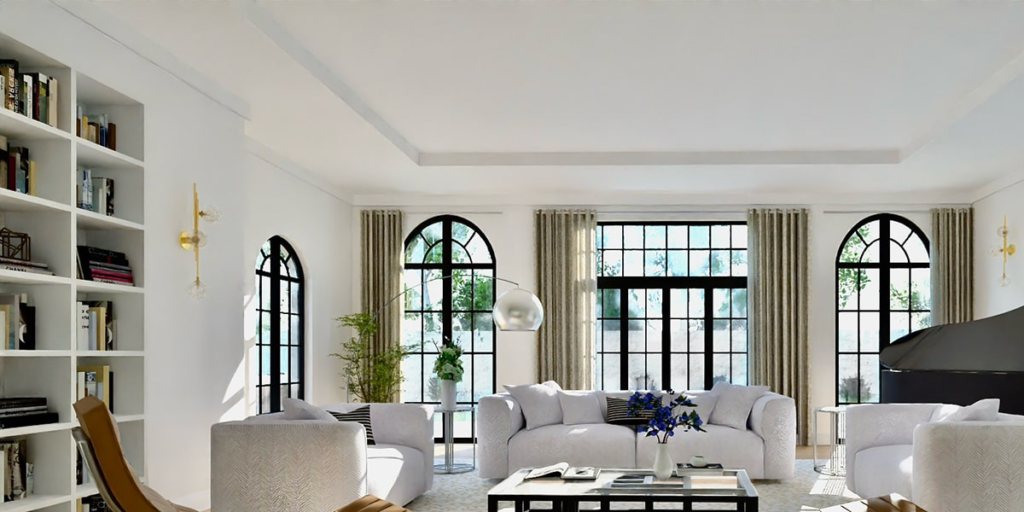
A comfortable and organized home plays an important role in everyday life. The way a home is arranged, maintained, and managed can directly affect productivity, mental well-being, relationships, and overall happiness. Modern lifestyles are often busy and stressful, which is why creating a smarter living environment has become more important than ever.
Smart home and living ideas are no longer limited to expensive technology or luxury houses. Today, smart living means making practical choices that improve comfort, save time, reduce stress, and create a healthier environment. From organizing small spaces to using energy-efficient solutions, small changes at home can make a major difference in daily routines.
People now spend more time at home for work, relaxation, entertainment, and family activities. Because of this, many individuals are focusing on improving their living spaces to support a better quality of life. A smart home environment should feel comfortable, functional, peaceful, and easy to manage.
This guide explores practical smart home and living tips that can help improve everyday life without making things complicated or expensive.
Why Smart Living Matters
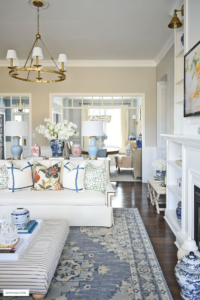
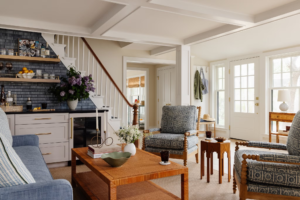
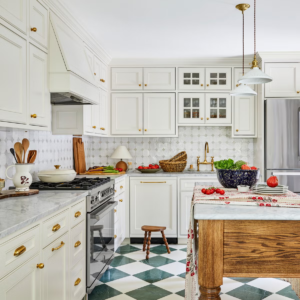
A well-managed home does more than simply look attractive. It creates a sense of balance and stability. Cluttered and disorganized spaces often increase stress and reduce focus, while clean and organized environments improve comfort and productivity.
Smart living helps people:
- Save time on daily tasks
- Improve organization
- Reduce household stress
- Increase comfort and convenience
- Create healthier routines
- Use space more effectively
- Lower energy consumption
A smarter lifestyle is not about perfection. It is about making daily life easier and more manageable.
Start with Decluttering
One of the simplest ways to improve a home is by reducing unnecessary clutter. Many homes become crowded with unused items, making spaces feel smaller and more stressful.
Benefits of Decluttering
Decluttering can:
- Improve mental clarity
- Make cleaning easier
- Increase available space
- Reduce distractions
- Create a more peaceful atmosphere
People often keep items they no longer use because of emotional attachment or habit. However, removing unnecessary belongings can make a home feel lighter and more organized.
Simple Decluttering Tips
- Organize one room at a time
- Donate unused items
- Use storage boxes for seasonal belongings
- Avoid buying unnecessary products
- Keep frequently used items accessible
Even small decluttering efforts can create noticeable improvements in daily living.
Improve Home Organization
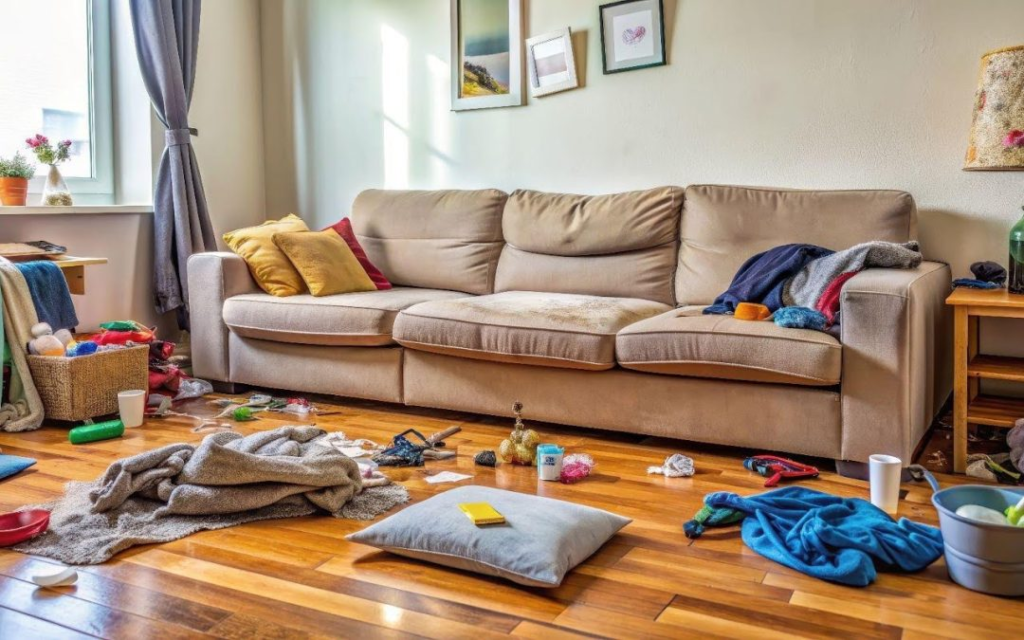
Create Dedicated Spaces
Every item in the home should have a designated place. This reduces confusion and makes cleaning easier.
Examples include:
- A basket for keys near the entrance
- Separate shelves for office supplies
- Labeled containers in the kitchen
- Organized wardrobe sections
Simple systems help maintain long-term organization.
Focus on Comfortable Living Spaces
Comfort is essential for a healthier and happier lifestyle. A home should feel relaxing rather than overwhelming.
Improve Natural Lighting
Natural light can improve mood, focus, and energy levels. Rooms with proper lighting often feel larger and more welcoming.
Ways to increase natural light include:
- Using light-colored curtains
- Keeping windows clean
- Placing mirrors strategically
- Avoiding heavy furniture near windows
Choose Comfortable Furniture
Furniture should support both comfort and functionality. People often prioritize appearance over comfort, but practical furniture improves everyday living significantly.
When choosing furniture, consider:
- Size and room fit
- Material quality
- Comfort level
- Durability
- Ease of cleaning
A balanced combination of style and comfort creates better living spaces.
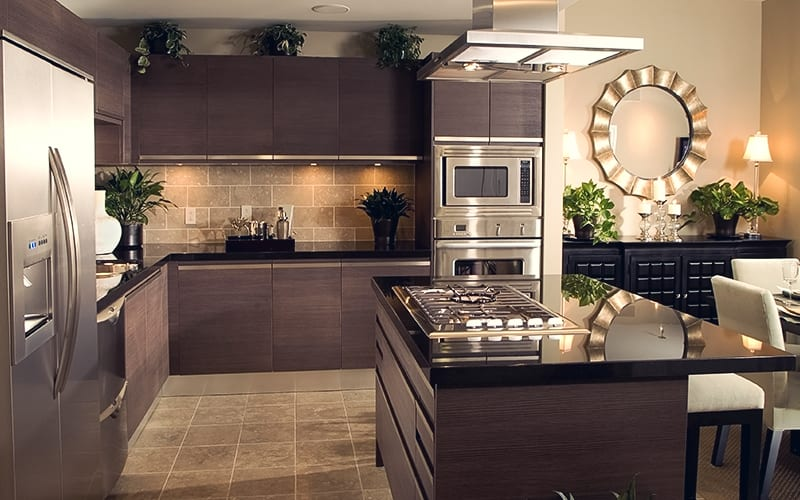
Smart Kitchen Habits for Easier Living
Organize Frequently Used Items
Store commonly used utensils, spices, and cookware within easy reach. This reduces unnecessary movement while cooking.
Plan Meals Ahead
Meal planning helps:
- Reduce food waste
- Save money
- Simplify grocery shopping
- Lower daily stress
Preparing simple weekly meal plans can make busy schedules easier to manage.
Create a Relaxing Bedroom Environment
Quality sleep is essential for physical and mental health. A peaceful bedroom supports better rest and relaxation.
Reduce Distractions
Bedrooms should feel calm and uncluttered. Limiting unnecessary electronics and excessive decorations can improve sleep quality.
Choose Soft and Neutral Colors
Calm colors create a relaxing atmosphere. Soft shades often help reduce stress and improve comfort.
Maintain Clean Bedding
Fresh bedding improves hygiene and sleep quality while making the room feel more inviting.
Smart Technology for Everyday Convenience

Technology has become an important part of modern homes. Smart devices can improve convenience and efficiency when used wisely.
Useful Smart Home Devices
Popular smart home tools include:
- Smart lighting systems
- Voice assistants
- Smart thermostats
- Security cameras
- Automated appliances
These technologies help simplify everyday tasks and improve energy management.
Use Technology Responsibly
While smart devices are useful, balance is important. Too much dependence on technology can create unnecessary distractions.
The goal of smart living is convenience, not constant digital overload.
Energy-Efficient Living Tips

Energy-efficient homes help reduce utility bills while supporting environmental sustainability.
Save Electricity
Simple energy-saving habits include:
- Turning off unused lights
- Using LED bulbs
- Unplugging devices when not needed
- Using energy-efficient appliances
Improve Air Circulation
Good ventilation improves indoor air quality and reduces dependence on air conditioning.
Opening windows regularly and using fans efficiently can help maintain comfort naturally.
Reduce Water Waste
Smart water usage includes:
- Fixing leaks quickly
- Using water-saving fixtures
- Avoiding unnecessary water usage
Small changes in daily habits can create long-term savings.
Make Space for Relaxation
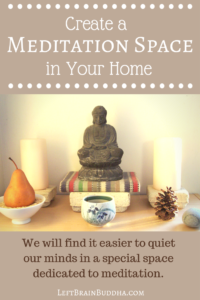
Modern life can feel fast and stressful. Creating relaxing areas at home supports emotional well-being.
Reading Corners and Quiet Spaces
A small reading corner with comfortable seating can provide a peaceful escape from daily pressure.
Indoor Plants and Natural Elements
Plants improve indoor atmosphere and create a refreshing environment. They also add warmth and natural beauty to living spaces.
Popular indoor plants include:
- Snake plants
- Peace lilies
- Pothos
- Aloe vera
Even a few plants can make rooms feel more welcoming.
Improve Work-from-Home Spaces
Many people now work or study from home regularly. A functional workspace improves concentration and productivity.
Create a Dedicated Workspace
Working from beds or sofas often reduces focus. A proper desk and chair setup supports better posture and efficiency.
Reduce Noise and Distractions
Quiet environments improve concentration. Headphones, room dividers, or designated work areas can help create better focus.
Maintain Clean Work Areas
Organized desks reduce stress and improve productivity throughout the day.
Build Healthy Home Habits

A smart home is not only about furniture and technology. Daily habits also play a major role in improving life.
Maintain Cleaning Routines
Simple daily cleaning habits prevent large messes from developing.
Examples include:
- Making the bed each morning
- Cleaning kitchen surfaces daily
- Organizing items after use
Consistency makes home management easier over time.
Spend Quality Time with Family
Homes should encourage connection and communication. Shared meals, conversations, and activities help strengthen relationships.
Limit Unnecessary Consumption
Buying too many products often creates clutter and financial stress. Thoughtful purchasing habits support simpler and more meaningful living.
The Emotional Impact of a Well-Managed Home
People often underestimate how strongly home environments affect emotions. A peaceful and organized home can:
- Improve mood
- Increase motivation
- Reduce anxiety
- Encourage relaxation
- Improve overall life satisfaction
Homes should support mental comfort as much as physical comfort.
The Future of Smart Home Living
Home living trends continue to evolve as technology and lifestyle needs change.
Future smart home developments may include:
- More energy-efficient systems
- AI-powered home assistants
- Improved security automation
- Smarter appliances
- Sustainable home solutions
However, despite technological growth, the foundation of smart living will always remain simplicity, comfort, and functionality.