

There is something special about traveling when you aren’t just checking off famous sights, snapping a few quick photos, and rushing straight back home. A trip feels entirely different when you actually let yourself settle into a place—taking the long, scenic route, ordering a dish you can barely pronounce, or just sitting quietly and letting the morning air wash over you.
It could be an early hike through the mountain mist, resting by a cold river after hours of walking, catching a sunrise over the hills, or driving down a road you didn’t even know existed. That slight bit of uncertainty is what gives travel its spark.
Honestly, the smallest, unplanned moments often stick with you the longest. Stopping at a tiny roadside tea stall because your legs are shot. Striking up a conversation with a local shop owner. Stumbling across a viewpoint that wasn’t marked on any map. These unexpected pauses usually end up being the highlights of the whole journey.
When it comes to pure adventure, India is almost impossible to beat. Between Himalayan peaks, thick central jungles, tropical coasts, vast deserts, hidden waterfalls, and quiet backroads, you never have to cross an ocean to find something incredible.
And adventure doesn’t have to mean jumping out of planes or scaling vertical ice. For one person, it’s a multi-day mountain trail. For someone else, it’s camping under the stars with friends, taking a long weekend road trip, or simply turning off phone notifications for two days straight. The best adventure is simply the one that gets you excited to step outside.
Why India Is Built for Exploration
What makes traveling across India so rewarding is the sheer variety. Moving from one state to another can feel like entering a completely different country.
You can spend a week wrapped up in the cold air of the northern hills, drive down to the warm coastal beaches of the south, track wildlife through central forests, or take in the open silence of Rajasthan’s sand dunes. There’s something for practically every comfort level and interest.
Exploring the Mountains
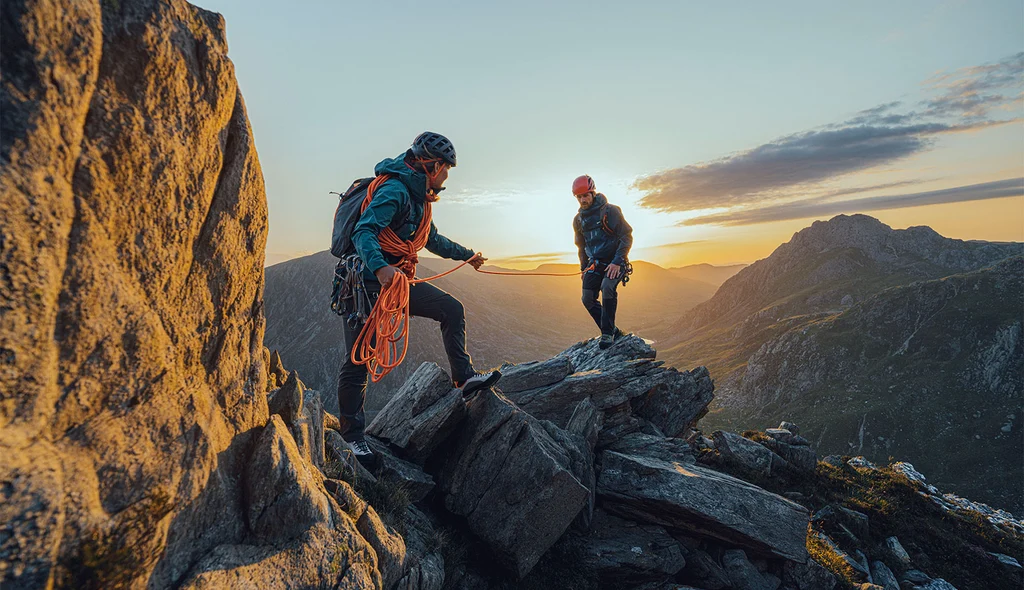
There’s a grounding sense of calm that comes with mountain life. Cold air, winding roads, tiny villages, and massive green valleys have a way of clearing out daily stress fast.
- Top Regions: Himachal Pradesh, Uttarakhand, Jammu & Kashmir, and Ladakh are prime ground for trekking, high-altitude drives, and camping.
- The Slow Approach: You don’t always need a packed schedule. Sitting on a wooden porch with a hot cup of chai, watching the fog roll across the ridges, is an adventure in slowing down.
Enjoying the Coastline

If high altitudes aren’t your thing, the coast offers a completely different rhythm.
- Top Spots: Goa, Kerala, Karnataka’s coastline, and the Andaman and Nicobar Islands.
- Things to Try: Scuba diving, snorkeling, sea kayaking, or taking a quiet boat through the backwaters.
- The Pace: Coastal trips naturally lean toward a easygoing flow—explore a beach or an old fort early in the day, grab fresh local food for lunch, and spend late afternoon watching the tide come in.
Forests and Wildlife
India’s national parks and sanctuaries offer an unpredictable, memorable experience.
Wildlife travel teaches patience above everything else. You might drive along jungle tracks for hours seeing mostly deer and birds, only to have a stunning tiger or wild elephant step into view in the final ten minutes. That unpredictability is the whole point.
Pro Tip: Always go with certified local naturalists and guides. They know the terrain, understand animal behavior, and make sure your visit doesn’t disrupt the local habitat
Experiencing the Desert

The dry landscapes of Rajasthan and the vast salt flats of Kutch present a massive contrast to green hills and blue coasts.
Beyond the open dunes, desert regions carry deep history—historic forts, night markets, local music, and incredible regional dishes. Sitting near the dunes as the sun sets in absolute silence is something everyone should experience at least once.
Classic Outdoor Activities to Try

Whether you want a light push or a genuine thrill, there’s plenty to choose from:
- Trekking: The easiest entry point to outdoor travel. It’s just walking, but doing it through forests, mountain passes, and small hamlets changes the experience entirely.
- Camping: Unplugging from screens and daily noise for a night around a fire under a clear sky is incredibly refreshing. Just pick a safe spot and carry out all your trash.
- River Rafting: Great for excitement and teamwork. Spots like Rishikesh or the Zanskar River offer real rapids, but proper safety gear and experienced guides are a must.
- Paragliding: Floating over places like Bir Billing in Himachal gives you a totally different perspective on the valleys below. Stick with licensed, reputable operators who take equipment checks seriously.
- Scuba Diving & Snorkeling: The waters around the Andamans or Lakshadweep reveal an incredible underwater world. If you’re new, go through certified dive schools.
- Road Trips: Renting a bike or taking a car through routes like the Manali-Leh highway or the Konkan coast gives you total freedom to stop whenever something catches your eye.
Smart Packing Basics
Overpacking is an easy way to drag down an active trip. Keep things lightweight and practical:
| Category | Essentials |
| Clothing | Breathable base layers, a good fleece for insulation, and a reliable wind/waterproof outer jacket. |
| Footwear | Comfortable, well-broken-in hiking shoes with good grip. Never wear brand-new shoes on a long trail. |
| Gear & Safety | Reusable water bottle, flashlight or headlamp, power bank, basic first-aid kit, personal meds, and sun protection. |
Safety Comes First

Having fun should never mean taking stupid risks. Experienced travelers know how to look out for themselves:
- Listen to local guides: They know the land, sudden weather shifts, and local hazards far better than you do.
- Wear your safety gear: Buckle your helmet, wear your life jacket properly, and don’t skip checks just to save a minute.
- Know when to call it: Bad weather, altitude sickness, or plain exhaustion are real warning signs. Turning back is always better than pushing into danger.