
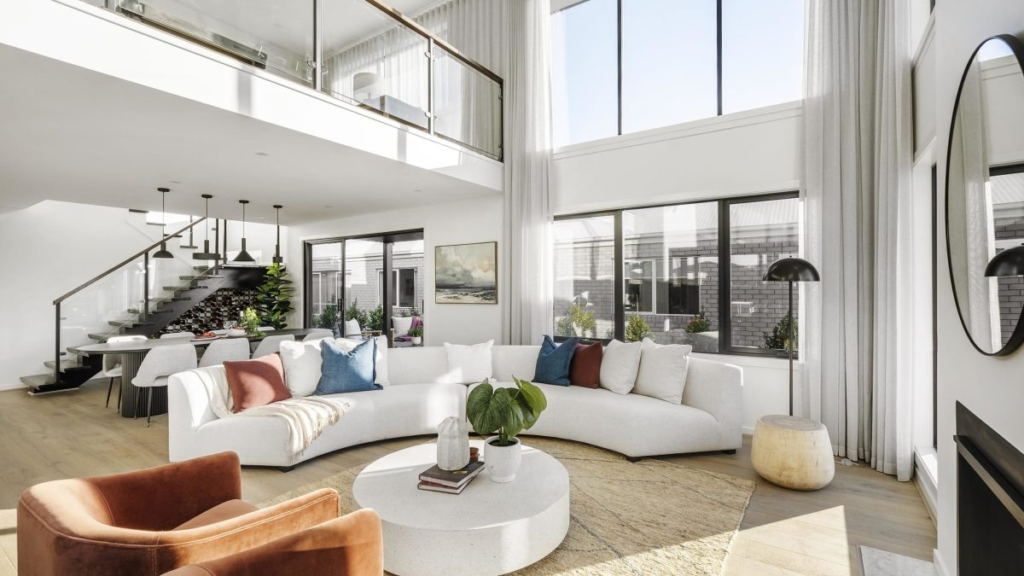
Creating a home that feels comfortable, functional, and reflective of your personality is something many people aspire to, yet often struggle to achieve. A well-designed living space is not just about aesthetics; it directly influences mood, productivity, and overall quality of life. Whether you live in a small apartment or a spacious house, thoughtful planning and smart choices can completely transform your surroundings without requiring a large budget or professional redesign.
This guide explores practical and intelligent home and living ideas that can help you reshape your space into something more organized, visually appealing, and deeply comfortable.
Understanding the Purpose of Your Space
Before making any changes, it is important to understand how each area of your home is being used. Many people fall into the habit of decorating without considering functionality. A living room, for example, should not only look good but also support relaxation and social interaction. Similarly, a bedroom should prioritize rest and calmness.
Start by observing your daily habits. Ask yourself simple questions: Do you use this space effectively? Does anything feel unnecessary or cluttered? Are there areas that feel underused or overcrowded? This reflection helps you identify what truly needs improvement rather than making random changes that do not add value.
Once you understand the purpose of each room, you can begin shaping it intentionally.
Decluttering as the Foundation of Transformation
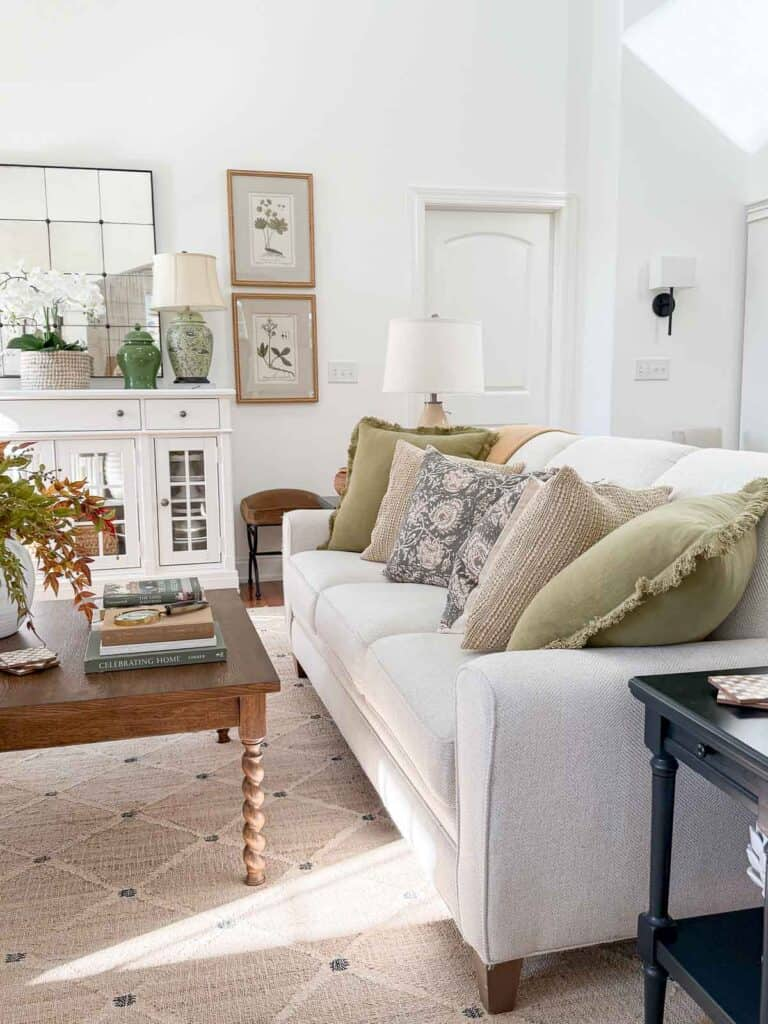
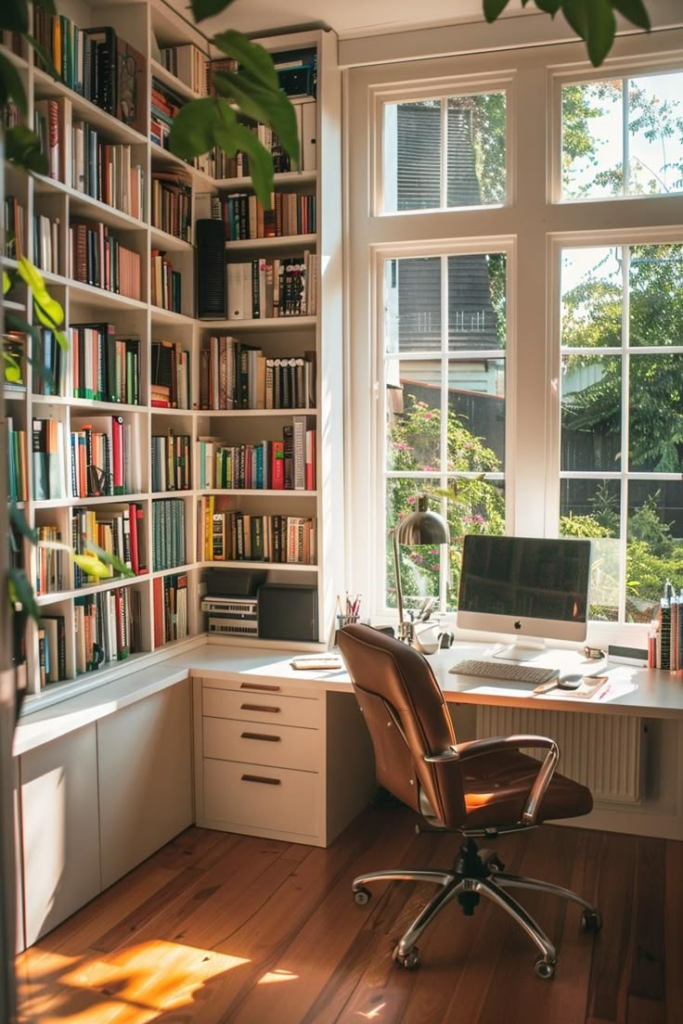
One of the most powerful ways to transform any space is by removing what you do not need. Clutter not only occupies physical space but also creates mental pressure. A clean, organized environment instantly feels larger, calmer, and more inviting.
Start small by focusing on one drawer, shelf, or corner at a time. Sort items into categories: keep, donate, and discard. Be honest about what you actually use versus what is simply occupying space. Many households hold onto unnecessary items out of habit, not need.
Once decluttering becomes a habit, maintaining a clean environment becomes much easier. A minimalist approach does not mean removing personality from your home; instead, it means allowing only meaningful and useful items to remain.
Smart Furniture Choices for Better Functionality
Furniture plays a central role in shaping how a home feels and functions. Choosing the right pieces can significantly improve both comfort and usability.
Multi-purpose furniture is especially useful in modern homes. Sofas with storage compartments, foldable dining tables, or beds with drawers can help maximize limited space. These solutions are ideal for small apartments where every square foot matters.
It is also important to avoid overcrowding rooms with too many large pieces. Instead, choose furniture that fits the scale of your space. A well-proportioned room feels more open and balanced, even if it is small.
Arrangement matters just as much as selection. Placing furniture in a way that allows easy movement and natural flow creates a more comfortable environment.
Lighting: The Most Underrated Design Element
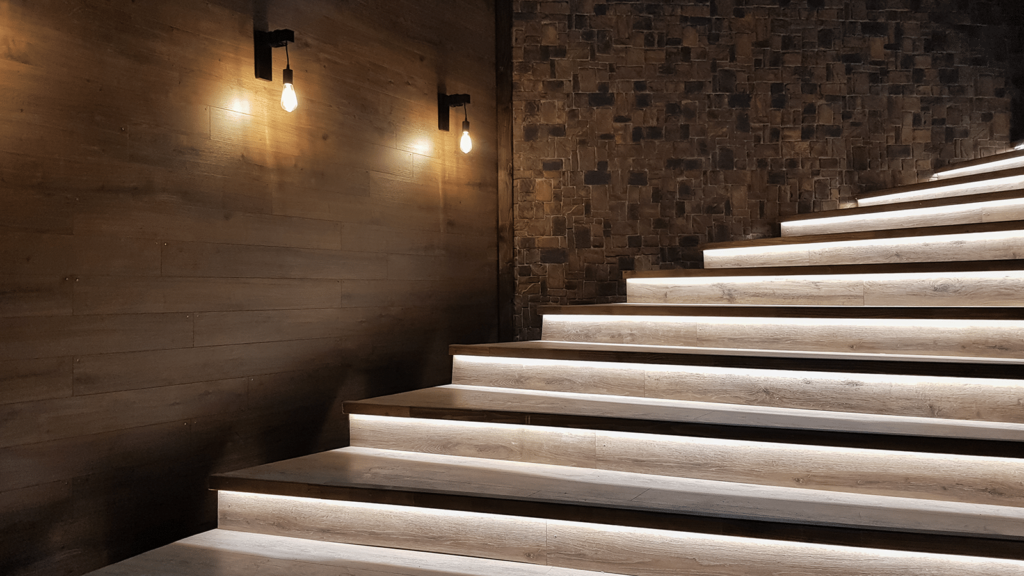
Lighting has a dramatic impact on how a space looks and feels. Many homes rely on a single overhead light, which often makes rooms feel flat and dull. A smarter approach involves layering different types of lighting.
Natural light should always be maximized wherever possible. Keep windows unobstructed and use light-colored curtains to allow sunlight to enter freely. Natural light enhances mood and makes spaces feel more open.
Artificial lighting should include a combination of ambient, task, and accent lighting. Ambient lighting provides general illumination, task lighting supports activities like reading or cooking, and accent lighting highlights specific areas or decor features.
Warm lighting is often preferred in living and bedroom areas as it creates a cozy and relaxing atmosphere, while cooler lighting can be used in kitchens and workspaces for clarity and focus.
Color Psychology in Home Design
Colors have a subtle but powerful effect on emotions and perception. Choosing the right color palette can completely change the atmosphere of a home.
Neutral tones such as white, beige, and soft gray create a calm and timeless look. These shades also make rooms appear larger and brighter. If you prefer more character, you can add accent colors through cushions, rugs, or artwork.
Blue tones often promote relaxation and are ideal for bedrooms. Green is associated with freshness and balance, making it suitable for living areas. Warmer shades like terracotta or mustard can add energy and warmth when used thoughtfully.
The key is balance. Too many bold colors in one space can feel overwhelming, while a cohesive palette creates harmony.
Creating Functional Storage Solutions
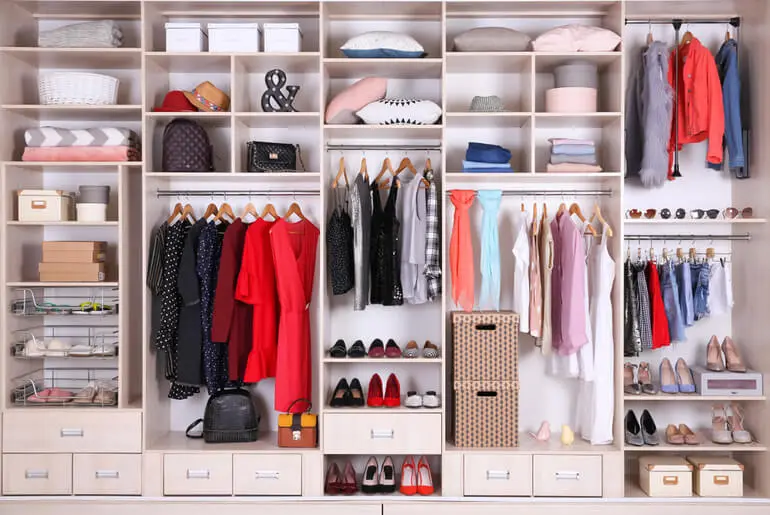
A well-organized home depends heavily on effective storage. Without proper storage systems, even the most beautifully designed spaces can become cluttered over time.
Built-in shelves, wall-mounted cabinets, and under-bed storage are excellent ways to save space. Vertical storage is especially useful in smaller homes, as it utilizes wall height instead of floor space.
Using baskets, boxes, and organizers can also help keep items categorized and easy to find. Labeling storage areas adds another layer of convenience, especially in shared households.
The goal is to ensure that every item has a designated place. This reduces mess and makes daily routines smoother.
Personalizing Your Living Space
While structure and organization are important, a home should also reflect personality. Personal touches are what make a space feel truly yours.
This can include family photographs, artwork, souvenirs from travels, or handmade decor items. Plants are also an excellent way to add life and freshness to any room.
However, personalization should be balanced. Too many decorative items can create visual clutter. Instead, choose a few meaningful pieces that stand out and complement the overall design.
A personalized home feels more welcoming and emotionally comforting, both for residents and guests.
Bringing Nature Indoors
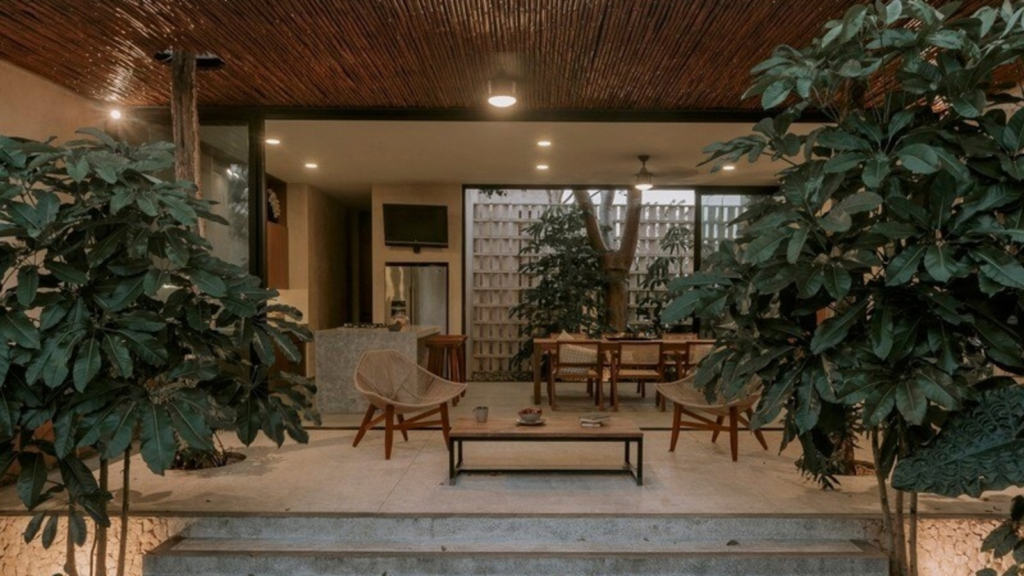
Incorporating natural elements into your home design can significantly improve the atmosphere. Indoor plants not only enhance visual appeal but also improve air quality and reduce stress.
Even if you do not have a green thumb, low-maintenance plants like snake plants or pothos are easy to care for and highly effective in adding freshness.
Natural materials such as wood, stone, and cotton can also contribute to a more grounded and organic feel. These textures create warmth and help balance modern synthetic elements.
Maintaining a Comfortable Atmosphere
A truly transformed home is not just about design; it is about comfort. Temperature control, ventilation, and cleanliness all contribute to how a space feels on a daily basis.
Regular cleaning routines prevent buildup of dust and maintain freshness. Proper ventilation ensures air circulation, while soft furnishings like cushions, rugs, and curtains add warmth and comfort.
Scent also plays a role in atmosphere. Subtle fragrances from candles or diffusers can make a home feel more inviting and relaxing.
F&Q
1. What is this guide about?
Home improvement ideas.
2. Is it expensive to apply?
No, mostly budget-friendly.
3. First step to improve home?
Declutter space.
4. Best quick upgrade?
Better lighting.
5. Works for small homes?
Yes, very well.