

Good health is something almost everyone wants, yet many people struggle to achieve it. In today’s fast-moving world, wellness often gets pushed aside because of busy schedules, work pressure, family responsibilities, and endless distractions. Many people believe improving health requires expensive diets, intense workouts, or dramatic lifestyle changes. The truth is much simpler. Better health usually comes from small, consistent habits practiced daily.
Wellness is not just about avoiding illness. It is about feeling energized, thinking clearly, sleeping well, managing stress, and living with balance. True health includes physical, mental, and emotional well-being. When these areas work together, life feels easier and more fulfilling.
The good news is that you do not need perfection to improve your health. You only need practical strategies that actually work in real life. Small steps can lead to powerful long-term results. This guide explores proven wellness tips that can help you unlock better health and build a healthier lifestyle.
Understanding What Better Health Really Means
Many people connect health only with body weight or physical appearance. While fitness matters, health is much broader than how someone looks from the outside. A person can appear fit but still struggle with poor sleep, chronic stress, unhealthy eating habits, or emotional exhaustion.
Better health means your body functions efficiently, your mind stays focused, and your emotions remain balanced. It means waking up with energy instead of feeling drained. It means handling stress without completely burning out. It means creating routines that support your body rather than damage it.
Health is a long-term investment. Every meal, every hour of sleep, every movement, and every thought pattern contributes to your overall wellness. The choices you make daily shape the quality of your future.
Nutrition: Fuel Your Body the Right Way


Food plays a major role in overall wellness. Your body relies on nutrients to perform essential functions like producing energy, repairing tissues, supporting immunity, and maintaining brain function. Poor eating habits often lead to fatigue, mood swings, low concentration, and long-term health issues.
Healthy eating does not mean following strict diets or eliminating all favorite foods. Sustainable nutrition is about balance. Focus on eating more whole foods such as fruits, vegetables, whole grains, nuts, seeds, and quality protein sources. These foods provide vitamins, minerals, fiber, and antioxidants that support long-term health.
Processed foods, excessive sugar, and frequent fast food can negatively affect energy levels and overall well-being. While enjoying treats occasionally is completely fine, making healthier daily choices matters more.
Listening to your body is also important. Eat when hungry, stop when satisfied, and pay attention to how different foods make you feel. Some meals leave you energized, while others may make you sluggish. Awareness helps build better habits.
Hydration is another key factor. Many people underestimate the importance of drinking enough water. Even mild dehydration can cause headaches, fatigue, and poor focus. Drinking water consistently throughout the day helps maintain proper body function and supports digestion, circulation, and energy.
Movement: Your Body Needs Regular Activity

The human body was designed to move. Yet modern lifestyles often involve long hours of sitting, whether at desks, in cars, or in front of screens. Lack of movement can lead to stiffness, reduced energy, poor posture, and increased health risks.
Exercise does not need to be extreme to be effective. Consistency matters more than intensity. Regular physical activity improves heart health, strengthens muscles, supports metabolism, and boosts mental health.
Walking is one of the most underrated forms of exercise. A daily walk can improve circulation, reduce stress, and enhance mood. Even 20 to 30 minutes of walking each day can create noticeable benefits over time.
Strength training also supports wellness by improving muscle mass, bone health, and functional movement. This becomes especially important as people age. Building strength helps with daily activities and reduces injury risk.
Movement can also be enjoyable. Dancing, cycling, swimming, yoga, or sports all contribute to better health. The best exercise is the one you can maintain consistently.
When movement becomes a regular part of life, energy levels often improve naturally.
Sleep: The Foundation of Recovery
Sleep is one of the most powerful yet overlooked health tools. Many people sacrifice sleep for work, entertainment, or social media without realizing the serious impact it has on wellness.
During sleep, the body repairs itself. Muscles recover, hormones regulate, memory strengthens, and the brain processes information. Poor sleep affects nearly every system in the body.
Lack of quality sleep can cause low energy, irritability, poor focus, cravings, and weakened immunity. Over time, chronic sleep deprivation can contribute to serious health issues.
Improving sleep often starts with better routines. Going to bed and waking up at consistent times helps regulate the body’s internal clock. Reducing screen time before bed can also improve sleep quality because blue light can interfere with natural sleep signals.
Creating a calm sleep environment helps as well. A quiet, dark, and comfortable room supports deeper rest. Limiting caffeine late in the day can also make a difference.
Good sleep is not a luxury. It is essential for long-term health.
Stress Management for Better Wellness
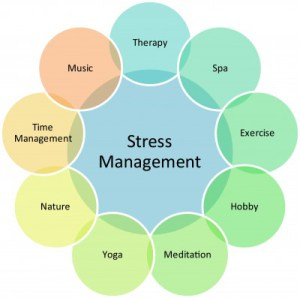
Stress is a natural part of life, but constant stress can damage both body and mind. When stress becomes chronic, it affects sleep, digestion, mood, focus, and immune function.
Many people become so used to stress that they stop noticing its impact. They assume feeling mentally exhausted, emotionally overwhelmed, or physically tense is normal. It does not have to be.
Managing stress starts with awareness. Pay attention to what triggers tension in your daily life. Once you recognize patterns, you can respond more intentionally.
Simple relaxation practices can help significantly. Deep breathing, meditation, spending time in nature, journaling, or quiet reflection can calm the nervous system. These habits create mental space and improve emotional resilience.
Boundaries are equally important. Constant availability can increase stress. Learning to say no when necessary protects your energy and supports healthier relationships.
Stress cannot always be eliminated, but it can be managed effectively.
Mental Health Matters
Wellness is incomplete without mental health. Your thoughts influence your emotions, behaviors, and physical health. Negative thinking patterns, unresolved emotional struggles, and chronic anxiety can impact every part of life.
Taking care of mental health means treating your mind with the same care you give your body. This includes rest, emotional processing, and self-awareness.
Many people ignore emotional pain because it is not visible. But mental struggles deserve attention. Talking to trusted friends, family, or mental health professionals can provide support and clarity.
Practicing gratitude can also improve mental well-being. Focusing on what is working in life helps shift attention away from constant negativity. This does not mean ignoring challenges. It means creating balance in perspective.
Reducing excessive social media use can also improve mental health. Constant comparison often creates unnecessary pressure and dissatisfaction. Protecting your mental space supports better wellness.
A healthy mind strengthens every other aspect of life.
Build Healthy Habits That Last
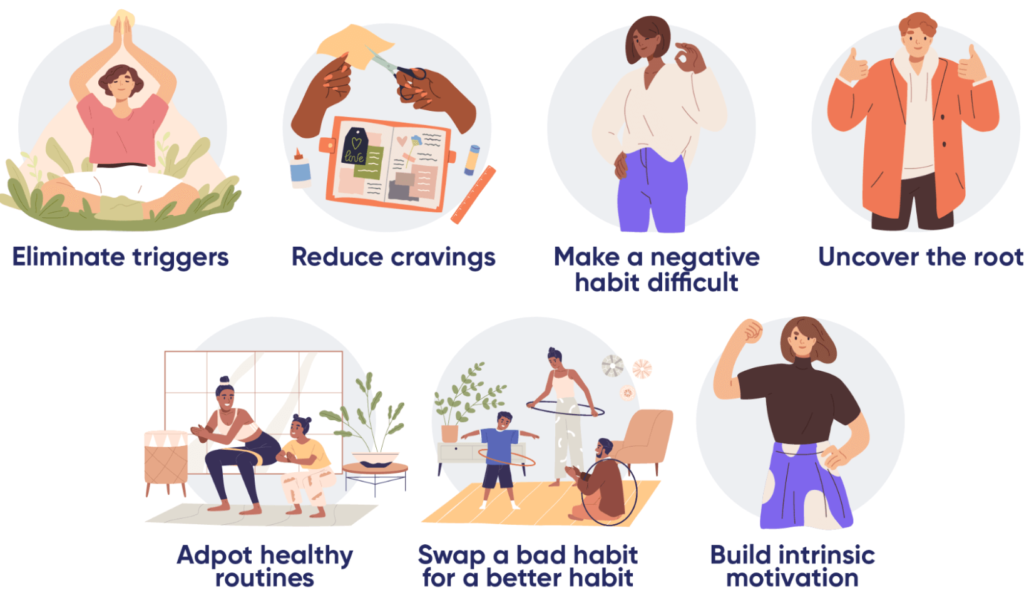
One of the biggest mistakes people make is trying to change everything overnight. They start strict diets, intense exercise plans, and unrealistic routines. This usually leads to burnout.
Lasting health comes from habits that fit your real life.
Start small. Drink more water. Sleep earlier. Walk daily. Eat one healthier meal each day. These simple actions may seem small, but repeated daily, they create transformation.
Habits become easier when attached to existing routines. For example, stretching after waking up or walking after dinner makes consistency easier.
Progress matters more than perfection. Missing one healthy meal or one workout does not ruin your journey. What matters is returning to your routine without guilt.
Long-term success comes from patience and consistency.
The Power of Preventive Care
Many people focus on health only after problems appear. Preventive care helps reduce future risks and supports early detection of issues.
Regular health checkups can identify potential concerns before they become serious. Monitoring blood pressure, blood sugar, cholesterol, and other health markers provides useful insights.
Listening to your body is also part of prevention. Persistent fatigue, pain, digestive issues, or unusual symptoms should not be ignored.
Taking proactive steps today can protect your future health.
Prevention is always easier than treatment.
FAQ’s
1. What is the first step to better health?
Start with small daily habits like drinking more water, eating better, and moving regularly.
2. How much exercise is needed for good health?
At least 30 minutes of physical activity most days is beneficial.
3. Why is sleep important for wellness?
Good sleep helps the body recover, boosts energy, and improves focus.
4. Can stress affect physical health?
Yes, chronic stress can impact sleep, immunity, and overall well-being.
5. How can I maintain healthy habits long-term?
Stay consistent, start small, and focus on progress over perfection.
Best Terrace Gardening Ideas for a Green and Beautiful Home
A Terrace Gardening can look completely different once you start keeping plants there. Earlier, I…

Best Small House Elevation Ideas: Simple and Modern Designs
When someone starts planning a new house, the first things that usually come to mind…

Emotional Boundaries: How to Set Healthy Limits in Relationships
I used to think that being a good person meant being available whenever someone needed…
Popular Indian Fast Food: Delicious Snacks You’ll Love
There are days when you leave home thinking you are not hungry at all, and…

Daily Hydration Tips for Better Health and Energy
We’ve all hit that wall around 3:00 PM. You are staring at your screen, reading…

Best Bedroom Ideas for a Cozy and Beautiful Home
A bedroom should feel comfortable before it feels stylish. You can have beautiful furniture and…