
I used to think that being a good person meant being available whenever someone needed me. If a friend called, I would answer even when I was busy. If someone wanted to talk, I would keep listening even when I was already tired. And if I wanted Emotional Boundaries and say no, I would often think about how the other person might feel before thinking about how I felt.
The strange part is that sometimes nobody was actually asking me to do all of this. I was putting that pressure on myself.
I think many people do the same thing without noticing it. We want to be helpful, understanding, and caring, so we keep adjusting. We reply quickly, agree to things we do not really want to do, listen to the same problem again and again, and stay quiet during uncomfortable conversations.
After some time, it can become tiring.
That is when I started understanding why emotional boundaries matter.
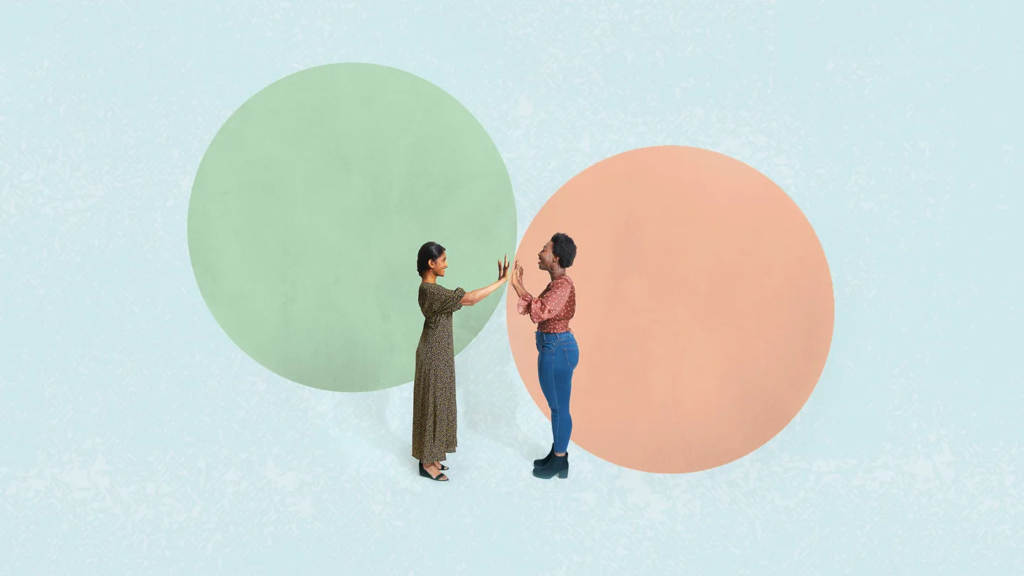
For me, an emotional boundary is simply knowing what I can handle and what I cannot. It means being able to say, “I care about you, but I cannot do this right now.” It means understanding that another person’s feelings are important, but my feelings are important too.
Having boundaries does not make a person cold. It does not mean avoiding people or refusing to help them. Sometimes it just means taking a little space before giving an answer.
A relationship can be close and still have boundaries. In fact, I think some amount of personal space makes relationships easier to handle because nobody has to constantly guess what the other person needs.
What Are Emotional Boundaries?

Emotional boundaries are the limits we set around our feelings, time, energy, personal information, and relationships.
They can be very small things that we normally do not even call boundaries.
For example, maybe a friend wants to discuss a personal problem late at night. You care about them, but you have had a long day and do not have the energy for a serious conversation.
Earlier, you might have stayed on the phone anyway because you felt guilty saying no.
With a boundary, you might say:
“I want to hear you out, but I am really tired tonight. Can we talk tomorrow?”
Nothing is wrong with that sentence.
You have not stopped caring about your friend. You have simply been honest about what you can manage at that moment.
The same thing can happen with family, classmates, colleagues, or someone you are close to. You may not want to discuss a particular topic. You may not want to answer a personal question. You may need some time alone after a stressful day.
You are allowed to have those limits.
Why Do Emotional Boundaries Matter?


One thing I have noticed is that people sometimes confuse being caring with always saying yes.
It is easy to think, “If I really care about this person, I should be there for them.”
But being there for someone does not mean being available every minute.
Imagine answering messages throughout the day while you are trying to study. Then someone calls and wants to talk for an hour. After that, another person asks for help. You keep agreeing because you do not want anyone to feel bad.
By the end of the day, you may feel completely drained.
Then you might wonder why everyone is asking so much from you.
Sometimes the answer is simply that you never told anyone where your limit was.
Clear boundaries can make things easier because people know what you can and cannot do.
They can also help you:
- protect your time and energy
- communicate your needs more honestly
- avoid building up silent frustration
- keep some personal space
- become more aware of what makes you uncomfortable
- stop taking responsibility for every problem around you
- have more balanced relationships
A boundary is not about telling another person how they should behave. It is about knowing how you will respond when something crosses your comfort level.
Signs You May Need Stronger Emotional Boundaries

Sometimes the signs are not dramatic. You may simply notice that certain conversations or people leave you feeling unusually tired.
Here are some things I would pay attention to.
You Say Yes Even When You Mean No
This is probably one of the easiest signs to recognise.
Someone asks you for a favour. Your first thought is, “I really do not have time for this.”
But you say yes anyway.
Maybe you are worried they will think you are selfish. Maybe you do not want them to be disappointed. Or perhaps you simply do not know how to refuse.
Later, you become irritated because you agreed to something you never wanted to do.
That cycle can continue for a long time if you never start saying what you actually need.
A polite no is often better than an unhappy yes.
You Feel Responsible for Someone Else’s Mood
When someone we care about is upset, it is natural to feel concerned.
But sometimes concern turns into guilt.
You may start thinking that you have to make the person feel better, even when their problem has nothing to do with you.
Someone can be disappointed with your decision without you having done anything wrong.
Someone can also be upset for reasons that you cannot fix.
You can listen. You can support them. You can be kind.
But you cannot control another person’s emotions.
That is a difficult thing to accept, especially when you naturally worry about people.
You Feel Guilty for Not Replying Immediately
Messages can make boundaries surprisingly difficult.
You see a notification and immediately feel that you should answer.
If you do not, you start wondering whether the other person will think you are ignoring them.
But sometimes you simply do not want to talk.
Maybe you are studying. Maybe you are working. Maybe you are spending time with your family. Or maybe you have had a difficult day and want some quiet.
There is nothing wrong with replying later.
A message does not always need an immediate answer.
You Share Personal Things Before You Are Ready
I also think emotional boundaries include what we choose to share.
Just because someone asks a personal question does not mean we have to answer it.
Trust usually develops over time. You do not have to tell a new friend every detail about your family, relationships, problems, or personal life.
Sometimes we explain too much because we feel awkward saying, “I would rather not talk about that.”
But that sentence is completely okay.
You can keep some parts of your life private.
You Feel Drained After Talking to Certain People
Not every tiring conversation means someone is bad for you. People have difficult days, and sometimes we all need to complain or talk.
The pattern matters more.
If you regularly finish conversations feeling exhausted, guilty, pressured, or emotionally heavy, stop and think about what is happening.
Are you always listening but rarely being heard?
Are you constantly being asked to solve problems?
Do you feel that you cannot disagree?
Are you agreeing just to avoid an argument?
Sometimes that uncomfortable feeling tells you that you need a clearer boundary.
How to Set Emotional Boundaries in Everyday Life
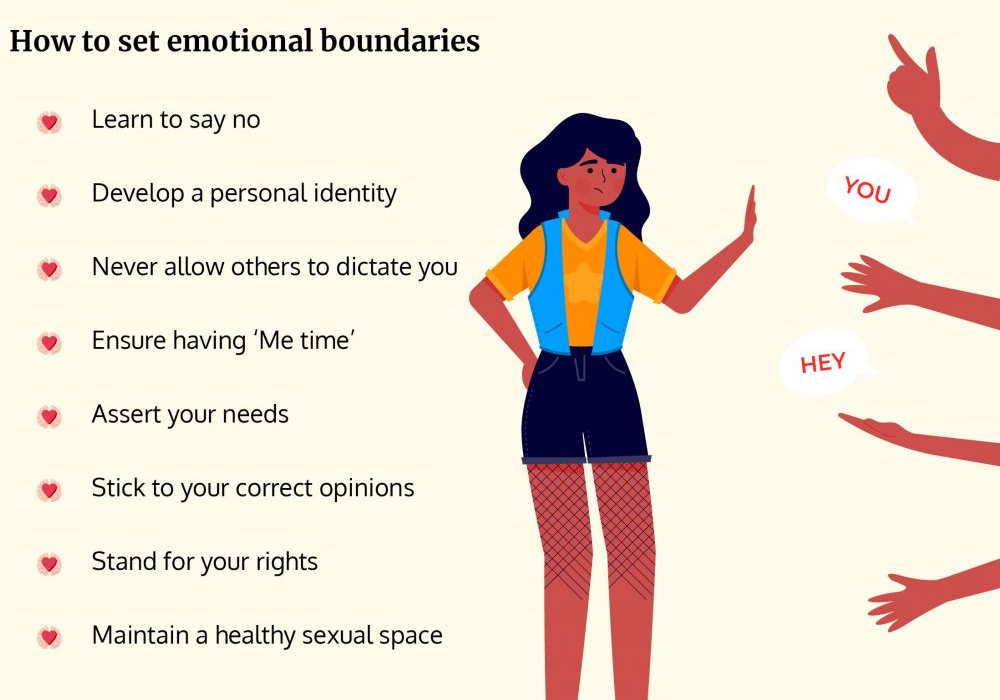
I think boundaries become easier when we stop treating them like huge confrontations.
You do not always need a serious discussion.
Sometimes one honest sentence is enough.
First, Figure Out What Is Actually Bothering You
Before setting a boundary with someone else, I find it helpful to understand the problem myself.
Ask:
- What exactly made me uncomfortable?
- Do I actually want to do this?
- Am I agreeing because I want to or because I am scared of their reaction?
- Do I need some time alone?
- What would make me feel more comfortable?
This sounds simple, but it can be surprisingly difficult.
Sometimes we are so focused on keeping another person happy that we forget to ask ourselves what we want.
Say What You Need Clearly
People cannot always understand hints.
If you need space, say that you need space.
For example:
“I have had a tiring day. I need some quiet time, and I will talk to you later.”
That is much clearer than becoming distant and hoping the other person figures out what is wrong.
Being direct does not have to mean being harsh.
Stop Treating “No” Like a Bad Word
For some people, saying no takes practice.
You can start with small situations.
“I cannot do that today.”
“I already have plans.”
“I am not comfortable with that.”
“I will have to say no this time.”
You do not have to give a five-minute explanation every time.
There are situations where explaining yourself makes sense, of course. But you should not feel that every personal decision needs approval from someone else.
Give Yourself Time Before You Agree
This is one habit I find genuinely useful.
If someone asks you to do something and you are not sure, do not answer immediately.
Say:
“Let me think about it.”
Or:
“Let me check my schedule first.”
Then actually take that time.
Once you remove the pressure of answering immediately, you may realise that you do want to help. Or you may realise that you simply do not have the time.
Both are valid answers.
Emotional Boundaries in Friendships

Friendships can become uncomfortable when one person starts expecting constant attention.
A friend may message throughout the day, call whenever they feel upset, or expect you to listen to every problem.
Being a supportive friend is important. But you also have your own life.
You may have college, work, family responsibilities, hobbies, or simply a day when you do not feel like talking.
I do not think a delayed reply should automatically become a friendship problem.
If you were busy, you were busy.
You can also tell a friend when you do not have the energy for a particular conversation.
For example:
“I know this is important to you, but I am not in the right headspace to talk about it tonight.”
A good friendship should have enough comfort for both people to say things like this.
Emotional Boundaries in Romantic Relationships

Romantic relationships can make boundaries harder because emotions can become much stronger.
When you care about someone, it is easy to start believing that you should always know what they are doing, always be available, or spend almost all your free time together.
But being close to someone does not mean giving up every part of your own life.
You can have your own friends.
You can spend time with your family.
You can focus on studies or work.
You can have hobbies that the other person does not share.
You can also keep some thoughts private until you are ready to talk about them.
Another important boundary is the way disagreements are handled.
If a conversation becomes insulting, you do not have to keep arguing just because the issue has not been solved yet.
You could say:
“I want to discuss this, but I do not want us to insult each other. We can talk when we are both calmer.”
That does not mean avoiding the problem.
It means refusing to continue the conversation in a way that feels disrespectful.
Emotional Boundaries With Family

Family can be one of the hardest places to set boundaries because these are people who may have known us our entire lives.
They may ask questions about personal decisions, give advice, comment on our choices, or expect us to explain everything.
Sometimes they genuinely mean well.
Even then, you may not want to discuss everything.
You can say:
“I understand what you are saying, but I would like to handle this myself.”
You do not have to turn every disagreement into a fight.
Sometimes the healthiest response is simply to acknowledge what they said and leave the conversation there.
You can care about your family without agreeing with every opinion they have.
Emotional Boundaries at Work or College
Boundaries are useful in work and college too.
Maybe a classmate regularly asks you to complete their part of an assignment. Maybe a colleague keeps giving you extra work because you rarely refuse.
At first, helping may feel harmless.
But if it becomes a regular pattern, you may start feeling frustrated.
You can still help without taking responsibility for everything.
For example:
“I can explain this part, but I cannot do the whole task.”
Or:
“I can look at it after I finish my current work.”
That keeps the conversation respectful while making your availability clear.
How to Maintain the Boundaries You Set
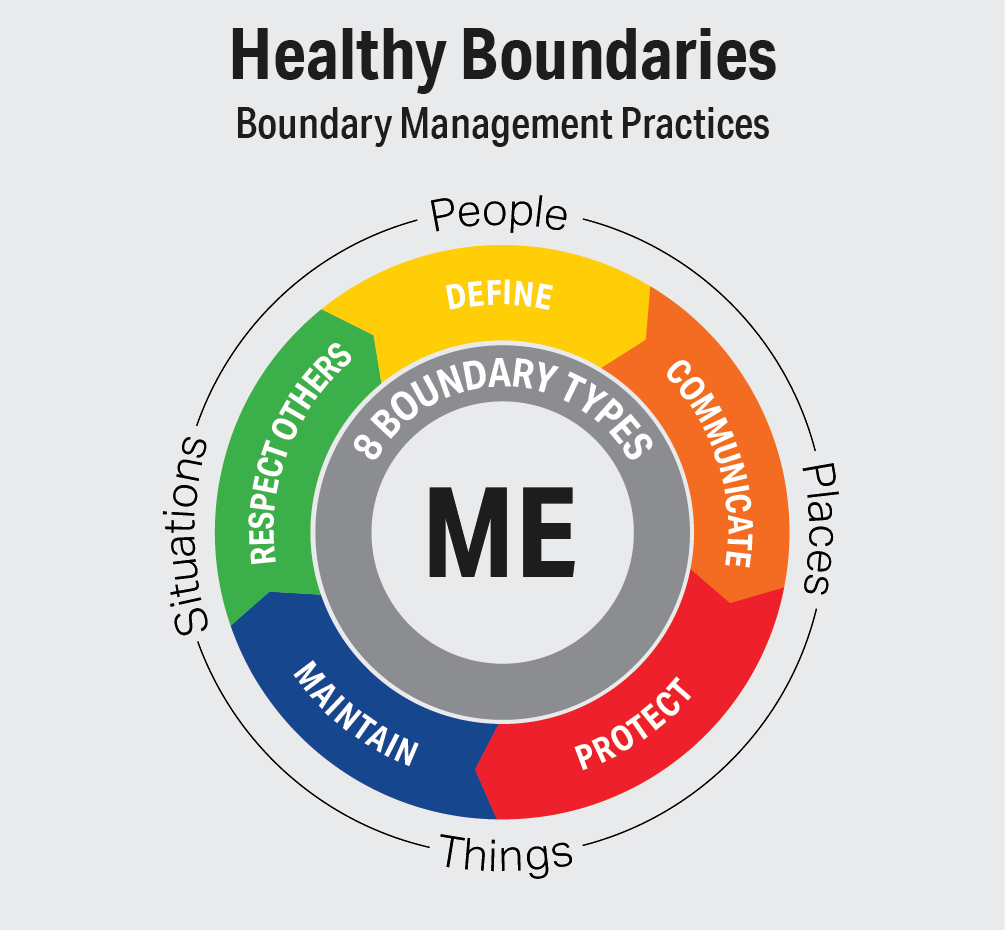
Setting a boundary once does not mean everyone will immediately understand it.
If you have always replied within a few minutes, people may continue expecting that.
If you have always agreed to help, people may continue asking.
You may need to repeat yourself.
You do not have to become angry every time.
Sometimes a simple:
“I am not available right now. I will get back to you when I can.”
is enough.
Consistency matters.
At the same time, boundaries are not permanent rules carved in stone.
Your life changes.
Your responsibilities change.
Your relationships change.
Something that felt completely fine a year ago may feel uncomfortable now.
It is okay to notice that and adjust your boundaries accordingly.
Final Thoughts
The more I think about emotional boundaries, the more I see them as a normal part of having healthy relationships.
Being caring does not mean being available all day.
Listening to someone does not mean taking responsibility for fixing their entire life.
Saying no does not automatically make me selfish.
And needing some time alone does not mean that I care about someone less.
I think the hardest part is often the guilt that comes before setting a boundary. We imagine the other person getting upset, misunderstanding us, or thinking that we have changed.
Sometimes they may react that way.
But avoiding every uncomfortable conversation is not a good long-term solution either. When we keep everything inside, frustration has a way of coming out later.
A simple conversation at the right time can prevent that.
For me, the easiest way to remember emotional boundaries is this: I can care about other people without forgetting that I have needs too.
Healthy relationships need affection and understanding, but they also need honesty, respect, personal space, and room for both people to remain themselves.
Sometimes saying, “I need some time right now,” is not pushing someone away.
It is simply being honest about what I need.
Frequently Asked Questions
1. What are emotional boundaries?
Emotional boundaries are personal limits that help you protect your feelings, time, energy, privacy, and personal space. They help you communicate what you are comfortable with and what you are not comfortable with in a relationship.
2. Why are emotional boundaries important in relationships?
Emotional boundaries can make relationships more balanced and comfortable. They allow you to care about someone without feeling responsible for their every emotion or being available all the time.
3. How can I start setting emotional boundaries?
Start by noticing what makes you uncomfortable or emotionally tired. Once you understand your limit, communicate it clearly and politely. You can say things like, “I need some time for myself” or “I am not comfortable discussing this right now.”
4. Is saying no part of having healthy emotional boundaries?
Yes. Saying no is an important part of setting boundaries. You do not have to agree to everything just because you are worried about disappointing someone. A polite and honest no can prevent frustration and resentment later.
5. What should I do if someone gets upset about my boundary?
You can acknowledge their feelings without immediately giving up your boundary. Calmly explain what you need and, if necessary, repeat your limit. Remember that setting a boundary is about managing your own actions and comfort, not controlling the other person’s behaviour.
- What Are Emotional Boundaries?
- Why Do Emotional Boundaries Matter?
- Signs You May Need Stronger Emotional Boundaries
- You Say Yes Even When You Mean No
- You Feel Responsible for Someone Else's Mood
- You Feel Guilty for Not Replying Immediately
- You Share Personal Things Before You Are Ready
- You Feel Drained After Talking to Certain People
- First, Figure Out What Is Actually Bothering You
- Say What You Need Clearly
- Stop Treating “No” Like a Bad Word
- Give Yourself Time Before You Agree
- Emotional Boundaries in Friendships
- Emotional Boundaries in Romantic Relationships
- Emotional Boundaries With Family
- Emotional Boundaries at Work or College
- How to Maintain the Boundaries You Set
- Final Thoughts
- Frequently Asked Questions