
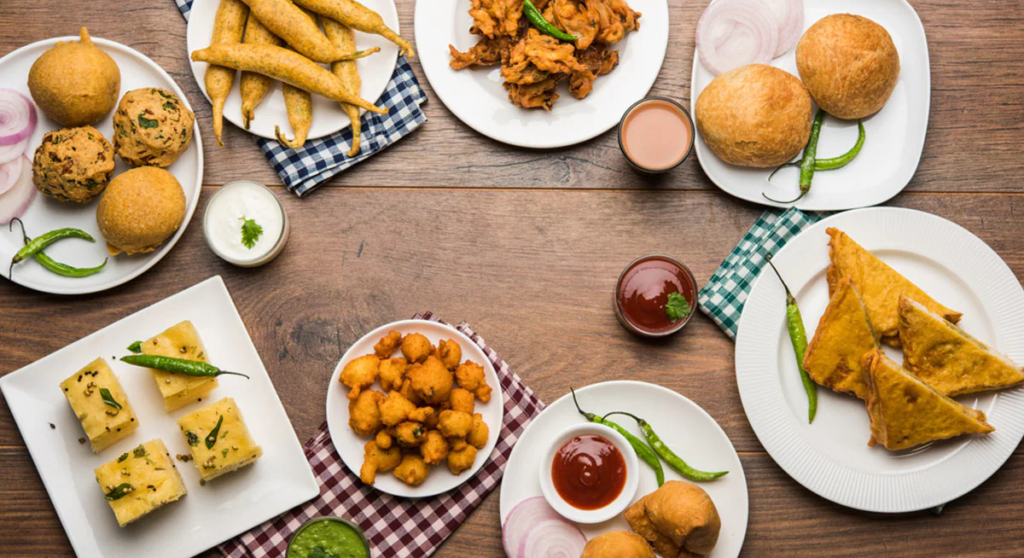
There are days when you leave home thinking you are not hungry at all, and then a familiar smell changes your mind. It could be a Indian Fast Food samosa frying at the corner shop, onions sizzling for pakoras, or the unmistakable smell of pav bhaji being cooked on a large hot tawa.
That is the thing about Indian fast food. It has a way of finding you.
You do not always plan to eat it. Sometimes you are returning from college, coming home from work, walking around a market, or meeting a friend for a quick evening outing. Then someone suggests pani puri or samosa, and suddenly the original plan does not seem important anymore.
Indian fast food is also much more than fried indian snacks. Some dishes are crunchy, some are soft, some are spicy, and others have that sweet-and-tangy flavour that makes you want another bite immediately. There are foods for a small hunger and foods that can easily become lunch or dinner.
What I find most interesting is how differently these foods can taste from one place to another. The same snack can have a different chutney, filling, spice level, or cooking style depending on the shop and region.
Here are some of the Indian fast foods that are especially worth trying.
1. Samosa
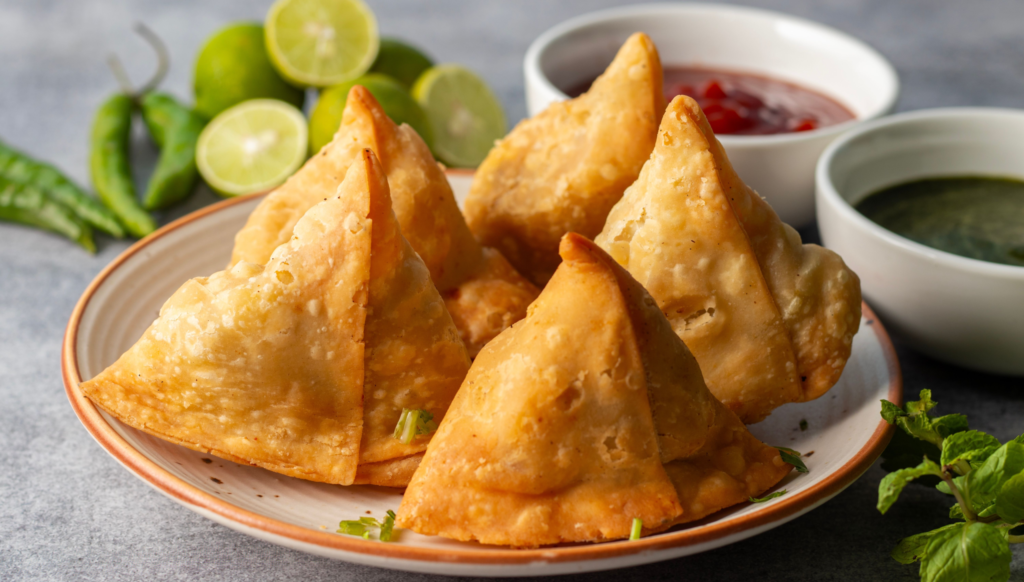
A Indian Fast Food samosa is probably one of the easiest Indian snacks to recognise. That triangular shape is enough to make most people guess what is inside.
The usual version has a potato and pea filling seasoned with spices and covered with a thin pastry. It is fried until the outside becomes crisp and golden.
Personally, I think a samosa is best when it is still hot. There is a small moment when you break it open and the steam comes out along with the smell of the spices. That is when it feels freshest.
Then there is the chutney. Green chutney gives it a sharper, spicy flavour, while tamarind chutney adds sweetness and tang. I like the combination of both because neither flavour completely takes over.
Samosas are common with evening tea, but they also turn up at parties, family gatherings, office celebrations, and festivals. Besides the classic potato filling, many shops sell paneer and mixed-vegetable versions too.
2. Vada Pav
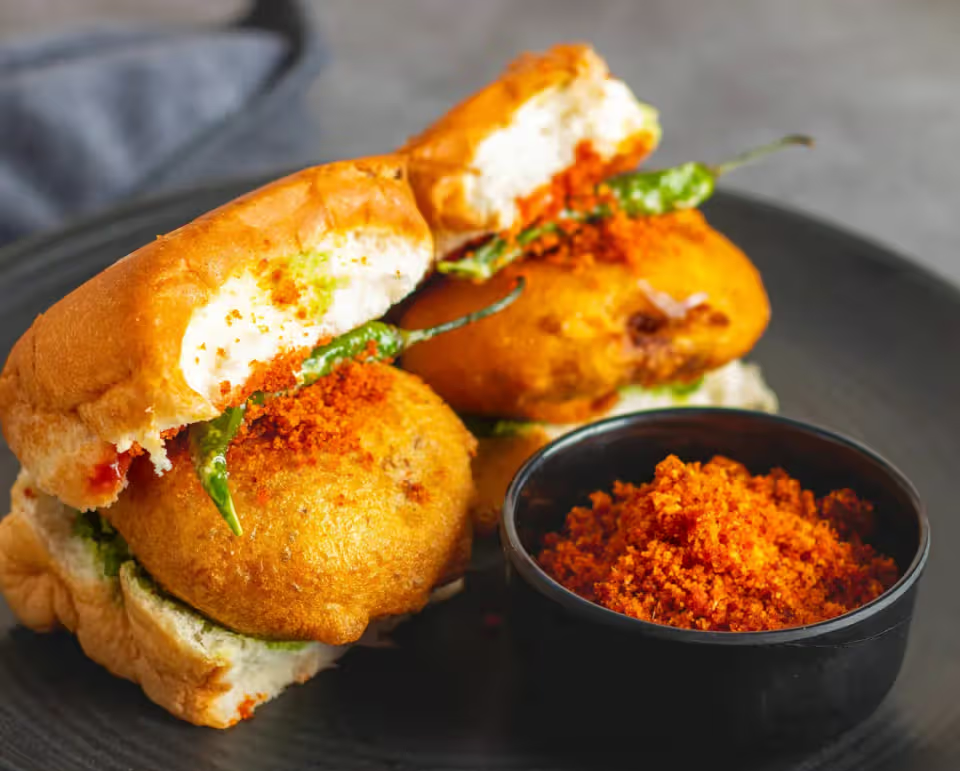
Vada pav is proof that a few simple ingredients can make a very satisfying snack.
A Indian Fast Food spicy potato vada is tucked inside a pav and served with chutneys. Garlic chutney is often the part that gives the snack its strongest kick.
The first thing you notice is the texture. The pav is soft, while the fried coating around the potato vada gives you a crisp bite. Once the chutney gets involved, the whole thing becomes much more flavourful.
I would choose vada pav when I wanted something quick without sitting down for a proper meal. .
It is easy to carry, easy to eat, and does not require much planning.
Although vada pav is strongly connected with Maharashtra, it is now familiar in many parts of India
3. Pav Bhaji
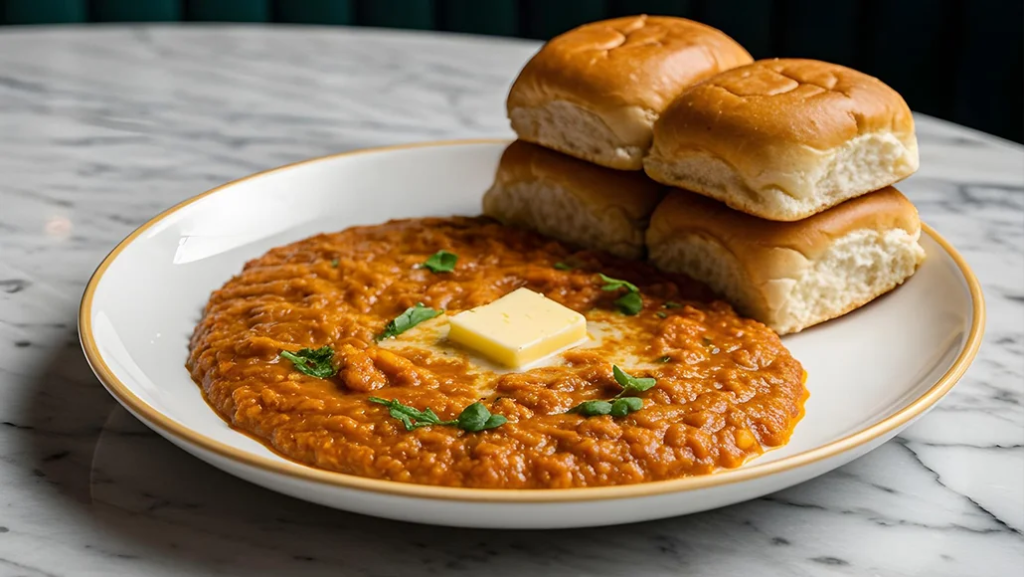
Pav bhaji is one of those Indian Fast Food that can look ordinary until you taste a really good version.
The bhaji is made by cooking vegetables with tomatoes, onions, butter, and spices. Everything is mashed and cooked together until it becomes a thick, flavourful mixture. The pav is toasted separately with butter.
I usually prefer mine with chopped onion and a squeeze of lemon.
The fresh onion cuts through the richness of the bhaji, while the lemon adds a little sharpness
Eating it is hardly complicated. Tear off a piece of buttered pav, scoop up some bhaji, and take a bite.
Pav bhaji is common at evening stalls and restaurants, but it is also a practical dish to make at home when several people need something filling.
4. Pani Puri
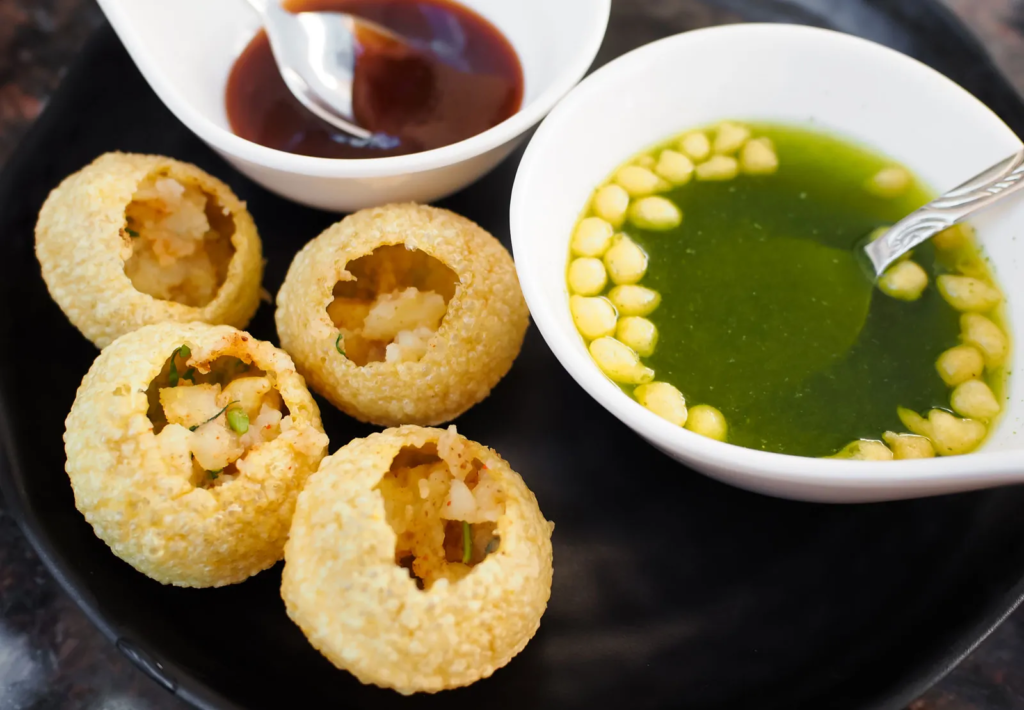
Pani puri has a different kind of charm because eating it often becomes a little event.
The puris are small and hollow. A vendor cracks each one open, adds potato or chickpeas, puts in chutneys, and fills it with spiced water.
The taste can change completely from one stall to another. At one place the pani may be very spicy and minty. Somewhere else it may have more sourness or sweetness.
I think the best part is deciding how you want yours. Some people want extra chilli, some ask for more sweet chutney, and some prefer a balanced mix.
Pani puri is also one of those foods that seems more fun when you are with friends. Everyone eats at a different speed, someone inevitably gets an extra-spicy puri, and the conversation continues between bites.
5. Aloo Tikki
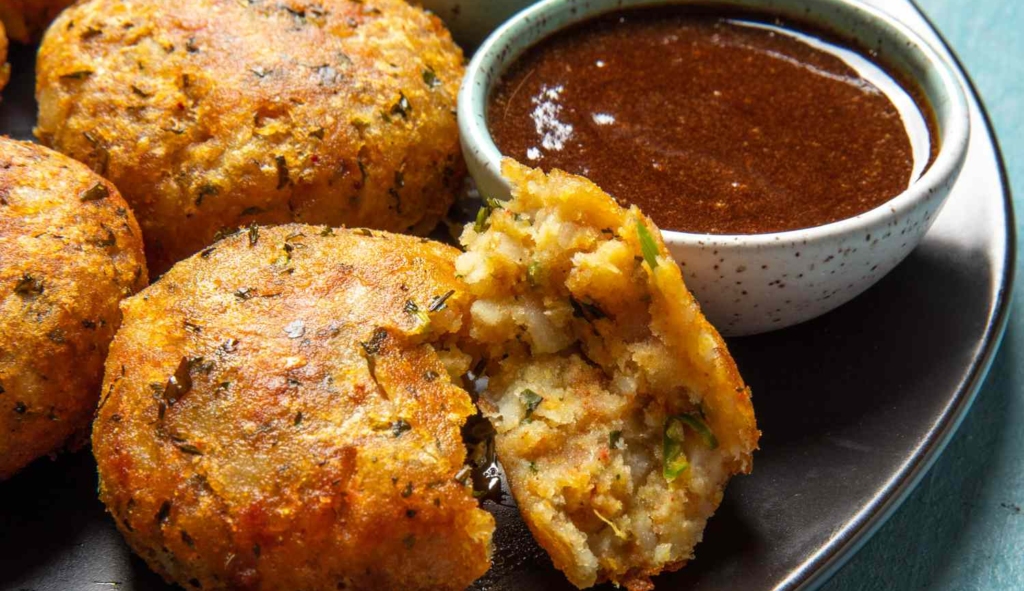
Aloo tikki starts with something extremely ordinary: boiled potatoes.
The potatoes are mashed, mixed with spices, shaped into small patties, and cooked until the outside becomes crisp. On its own, it makes a simple snack. Add curd, chutneys, onions, coriander, and chaat masala, and it becomes a much more exciting plate of chaat.
The combination of hot potato and cool curd is one of my favourite parts.
Tamarind chutney brings sweetness, green chutney adds heat, and the spices tie everything together.
It is also a useful recipe when you have leftover boiled potatoes. Instead of eating them in the same way again, you can turn them into something completely different.
6. Dahi Puri
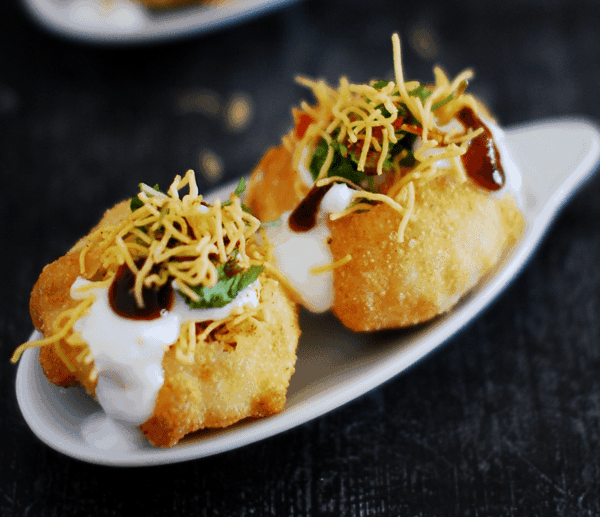
Dahi puri is not the Indian Fast Food snack to choose when you want something plain.
Crisp puris are filled with potato and then covered with curd, chutneys, sev, coriander, and spices. Every ingredient adds something.
There is crunch from the puri and sev, softness from the potato, and creaminess from the curd. Then the chutneys bring sweet, sour, and spicy flavours.
One thing I have noticed with dahi puri is that timing matters. It is much better when eaten soon after it has been assembled. Leave it sitting around and the puris gradually become soft.
It is a messy snack, but that is part of the fun.
7. Bhel Puri
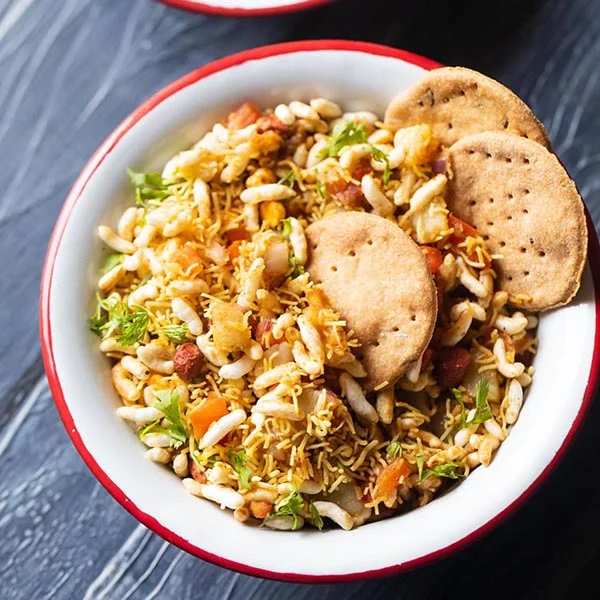
Bhel puri is one of the easiest Indian fast foods to customise.
Puffed rice is mixed with chopped onion, tomato, coriander, peanuts, sev, chutneys, and sometimes boiled potato.
I like snacks where you can quietly adjust everything according to your mood, and bhel puri is perfect for that. More peanuts if you want extra crunch. More tamarind chutney if you like sweetness. More chilli if you are in the mood for something fiery.
The only thing I would not delay is serving it. Mix the chutneys too early and the puffed rice starts losing its crunch.
It is particularly handy at home because very little cooking is involved.
8. Pakora
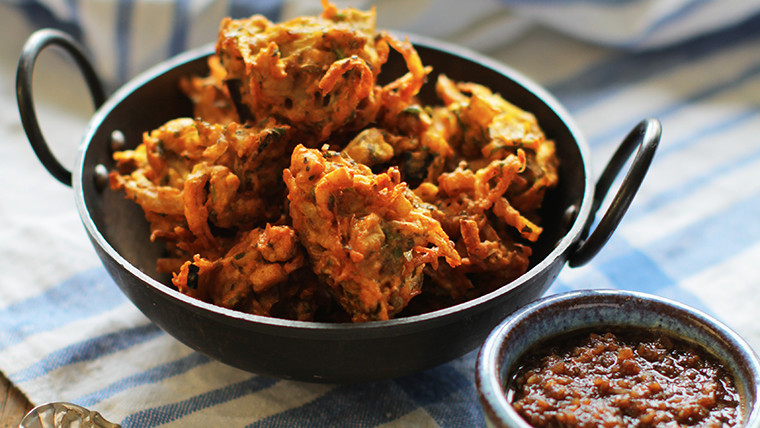
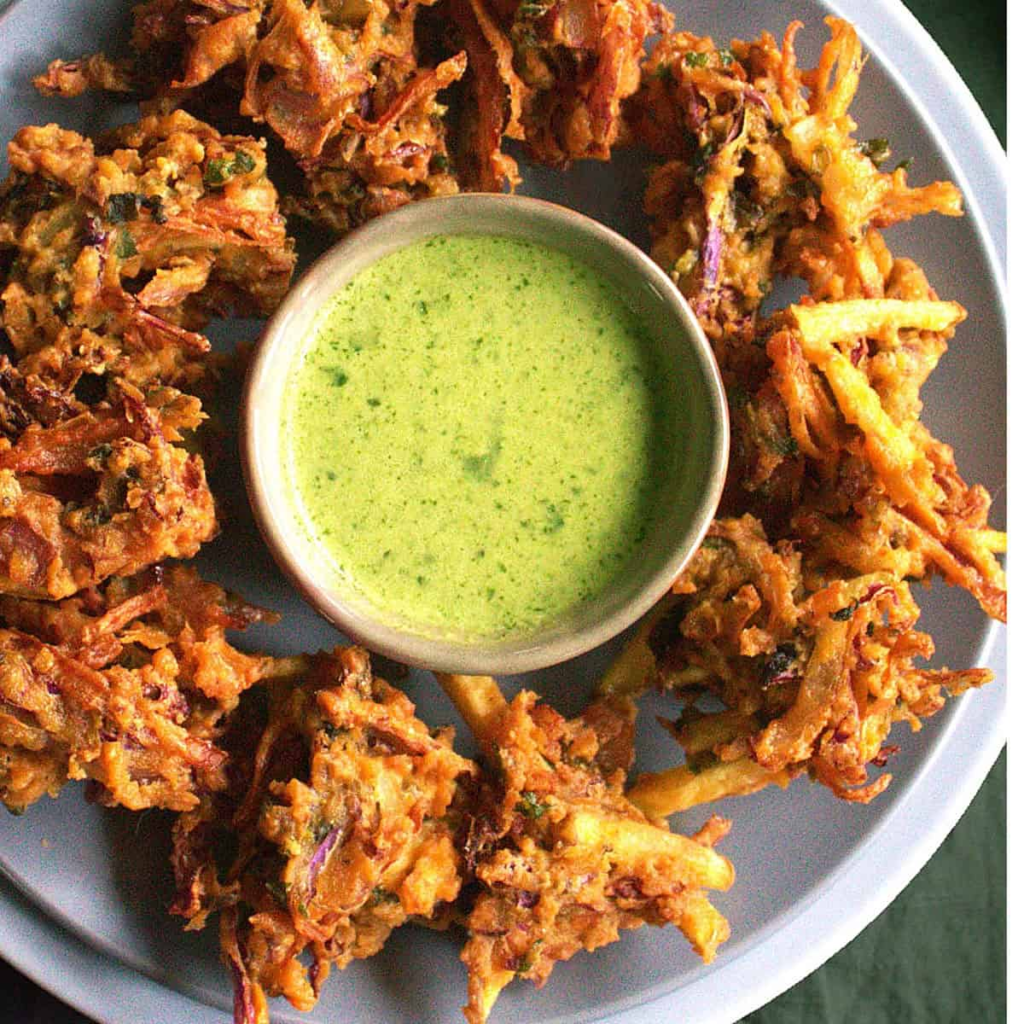
Pakoras have a special place in rainy-day food.
When the weather turns cool and rain starts outside, hot onion pakoras and tea become a very tempting combination.
Onions are probably the most familiar choice, but potatoes, spinach, cauliflower, paneer, and other vegetables can also be used. They are coated in seasoned gram flour batter and fried until crisp.
I prefer pakoras straight from the pan. Once they have been sitting for too long, some of that lovely crispness disappears.
They are also wonderfully flexible. You do not need a specific vegetable to make them. You can look at what is available in the kitchen and work from there.
9. Indian Fast Food : Kachori
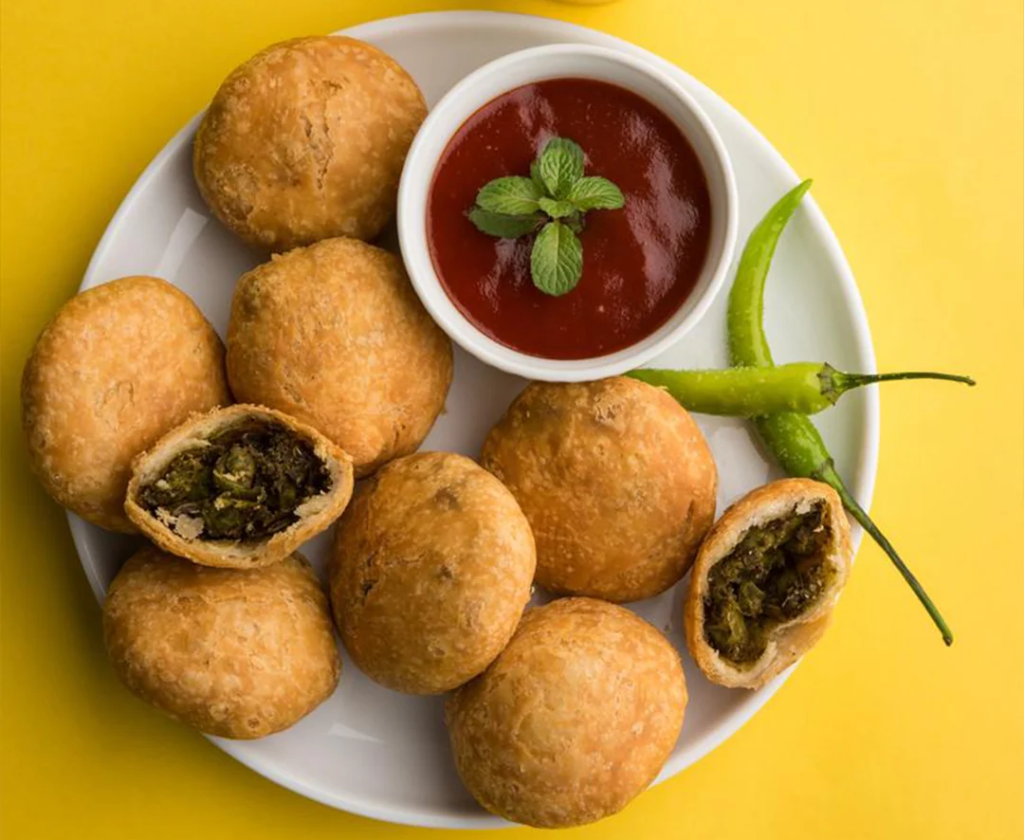
Kachori has a crisp fried exterior with a savoury filling tucked inside.
There are many varieties. Some contain spiced lentils, while others are filled with onion, peas, potatoes, or different mixtures of spices.
Pyaaz kachori is particularly associated with Rajasthan and is known for its strong onion filling.
For me, the first bite of a fresh kachori is the most satisfying. The outer shell cracks, the warm filling comes through, and you suddenly understand why eating one while it is fresh makes such a difference.
Depending on the variety, kachori may be served with chutney or a spicy potato curry.
10. Indian Fast Food : Chole Bhature
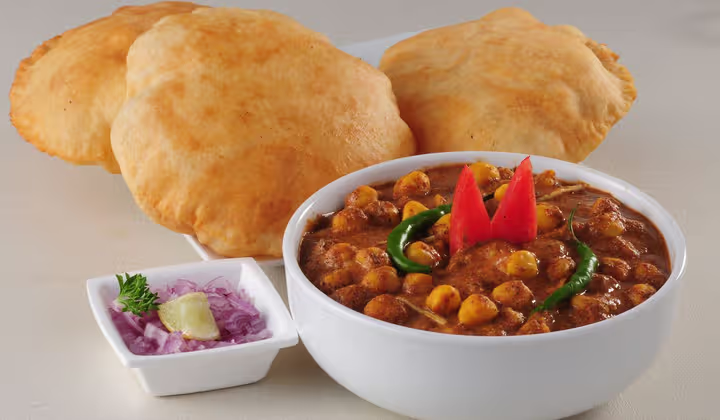
Chole bhature belongs to the “I am actually hungry” category of Indian fast food.
The dish combines spicy chickpea curry with bhature, a deep-fried bread that is generally soft and airy inside.
Onion, pickle, green chilli, or chutney may be served on the side.
It is a filling meal, so I would not normally choose it when I only wanted a small snack. It works much better for breakfast, brunch, or lunch.
There is also something satisfying about eating it without making the process complicated. Tear the bhature, scoop up some chole, add a little onion, and enjoy.
Why Indian Fast Food Is So Popular
I think Indian fast food stays popular because it fits into ordinary life so naturally.
You can eat a samosa with evening tea, grab a vada pav between classes, stop for pani puri after shopping, or order pav bhaji when you want something more filling.
These foods are also connected with memories.
For one person, a samosa might bring back school-canteen breaks. For someone else, pani puri may remind them of going out with friends. Pakoras and tea can bring back memories of rainy afternoons at home.
That connection is difficult to create with food that is simply convenient.
There is also enormous variety. Indian fast food changes with the region, the ingredients available, the local spice preferences, and even the person preparing it.
Easy Indian Fast Food to Make at Home
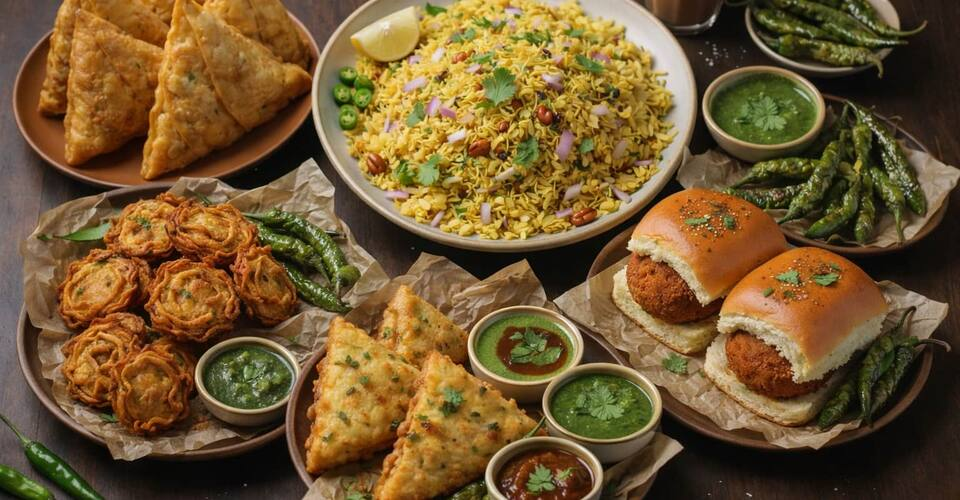
Some Indian fast foods are surprisingly easy to recreate at home.
Aloo tikki, bhel puri, pakoras, bread pakora, and aloo chaat are good places to start.
Boiled potatoes are especially useful. If you have some ready, they can become tikki, chaat, a sandwich filling, or the centre of bread pakora.
Bhel puri takes even less effort. Puffed rice, peanuts, chopped vegetables, sev, and chutneys can be mixed together in minutes.
The biggest advantage of making these snacks at home is flexibility. You can reduce the chilli, add vegetables, change the filling, or make the chutney exactly the way you like it.
Small Tips for Better Indian Fast Food
A few little details can make a noticeable difference:
- Eat fried snacks while they are still warm.
- Add chutney to crispy chaat just before serving.
- Do not be afraid to adjust the spice level.
- Try regional versions of familiar dishes when you travel.
- Keep boiled potatoes and basic chutneys ready for quick snacks.
- Add your own fillings and toppings instead of following the same combination every time.
- Eat crispy snacks soon after serving so they do not turn soggy.
Final Thoughts
Indian fast food is not only about convenience. It is part of everyday food culture.
It appears during evening tea, after college, on shopping trips, at family gatherings, while travelling, and during those random moments when everyone suddenly decides they are hungry.
What makes it especially interesting is that there is rarely one “correct” version of a dish. A samosa can have a slightly different filling from one shop to another. Pani puri can be sweet at one stall and fiery at the next. Even aloo chaat can taste completely different depending on the chutneys, spices, and toppings.
That is probably why these foods never become completely boring.
You can return to an old favourite like samosa or vada pav, try a new kind of chaat, share momos with friends, or make a batch of pakoras at home when it starts raining.
Frequently Asked Questions

Best Terrace Gardening Ideas for a Green and Beautiful Home
A Terrace Gardening can look completely different once you start keeping plants there. Earlier, I…

Best Small House Elevation Ideas: Simple and Modern Designs
When someone starts planning a new house, the first things that usually come to mind…

Emotional Boundaries: How to Set Healthy Limits in Relationships
I used to think that being a good person meant being available whenever someone needed…
Popular Indian Fast Food: Delicious Snacks You’ll Love
There are days when you leave home thinking you are not hungry at all, and…

Daily Hydration Tips for Better Health and Energy
We’ve all hit that wall around 3:00 PM. You are staring at your screen, reading…

Best Bedroom Ideas for a Cozy and Beautiful Home
A bedroom should feel comfortable before it feels stylish. You can have beautiful furniture and…