

Good health is often viewed as something people achieve through major lifestyle changes, expensive programs, or short periods of intense effort. In reality, long-term health is usually built through small decisions repeated consistently over time. Daily habits shape energy levels, physical wellbeing, mental strength, productivity, and overall quality of life far more than occasional bursts of motivation.
Modern lifestyles create unique challenges. Long working hours, constant digital distractions, poor sleep patterns, unhealthy food choices, and limited physical activity have made wellness more difficult for many people. At the same time, people are increasingly recognizing that success is not only measured through financial achievements or professional growth. Good health, emotional stability, and sustainable routines play equally important roles.
Daily wellness habits do not need to be complicated. The most effective habits are often simple, practical, and easy to maintain. Small improvements repeated every day create long-term benefits that become more noticeable over time.
Why Daily Habits Matter More Than Occasional Effort
Many people approach health with an all-or-nothing mindset. They attempt strict routines, aggressive diets, or unrealistic exercise plans that become difficult to maintain. As a result, motivation disappears and old habits return.
Daily wellness works differently. Instead of focusing on perfection, it focuses on consistency. Small actions may not produce immediate results, but they create long-term improvements.
A person who walks regularly, sleeps properly, drinks enough water, and manages stress consistently often experiences greater benefits than someone who follows extreme routines for short periods.
Success in wellness is rarely about intensity. More often, it is about sustainability.
Creating a Healthy Morning Routine
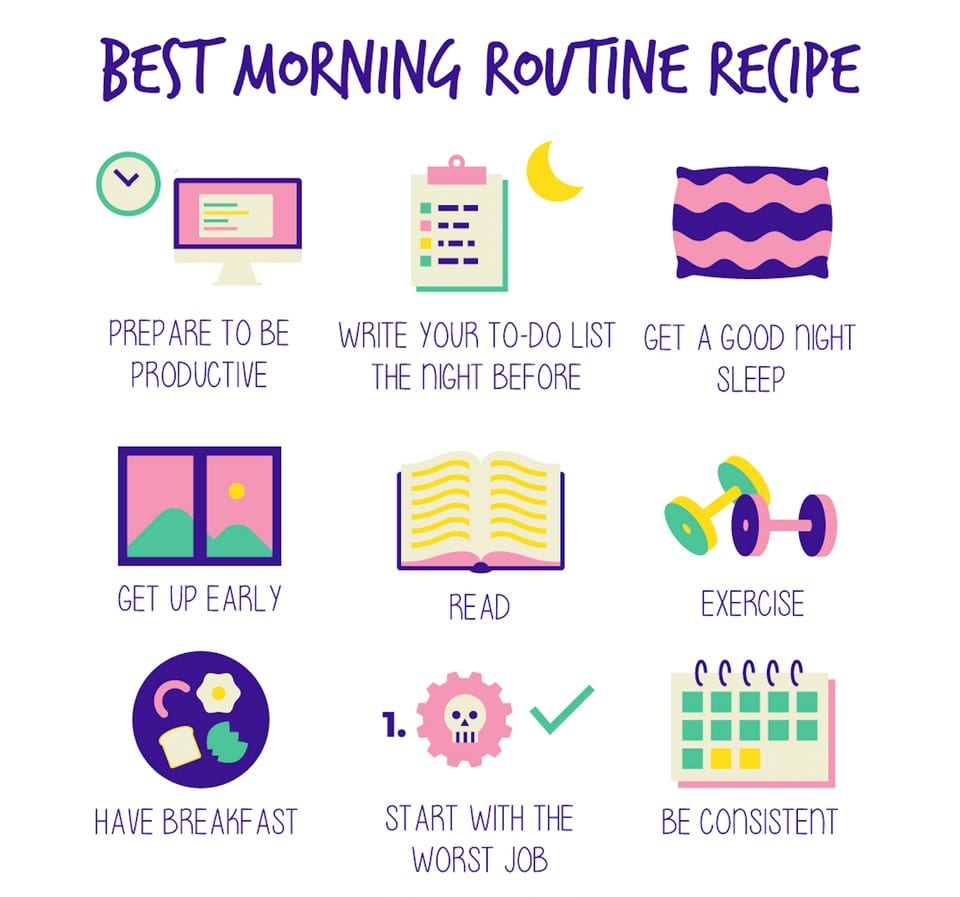
The way a day begins often influences everything that follows. Morning routines provide structure and help create positive momentum.
Starting the day with rushed behavior, excessive phone use, or immediate stress can affect focus and energy levels. Creating a calmer and more intentional morning often improves productivity and emotional wellbeing.
Healthy mornings do not require complicated routines. Simple activities such as waking up at consistent times, drinking water, stretching, eating breakfast, or spending a few quiet minutes preparing mentally for the day can make noticeable differences.
Consistency matters more than complexity. Even short routines can create stability.
Prioritizing Quality Sleep Every Day
Sleep is frequently overlooked despite being one of the most important factors in overall wellness.
Poor sleep affects concentration, mood, immunity, productivity, physical recovery, and decision-making. Long-term sleep deprivation can contribute to multiple health challenges.
Many people try to compensate for poor sleep with caffeine or increased effort, but recovery becomes difficult without proper rest.
Creating healthy sleep habits often includes maintaining consistent sleep schedules, reducing screen time before bed, and creating comfortable sleep environments.
Quality sleep supports both physical health and long-term performance.
Building Better Eating Habits

Nutrition does not need to be complicated to be effective. Healthy eating habits are often built through practical and realistic choices rather than strict rules.
Many people struggle with nutrition because they focus entirely on temporary diets instead of long-term habits.
Building healthier eating patterns often means improving consistency rather than eliminating every unhealthy choice.
Balanced meals, adequate hydration, portion awareness, and regular meal timing contribute significantly to overall wellness.
Food also affects energy levels, concentration, and emotional wellbeing. Better nutrition supports both immediate performance and long-term health.
Healthy eating becomes easier when viewed as a sustainable lifestyle rather than a temporary project.
Staying Physically Active Throughout the Day
Physical activity supports nearly every aspect of health. Movement improves cardiovascular health, strength, flexibility, mood, energy, and stress management.
Exercise does not always require complicated workout programs or expensive equipment.
Walking, stretching, cycling, sports, home workouts, and recreational activities all contribute to physical wellbeing.
Modern lifestyles often encourage sitting for extended periods. Finding opportunities for movement throughout the day can help reduce the effects of inactivity.
Regular activity also improves mental health by reducing stress and increasing positive feelings.
The goal is not perfection. The goal is creating movement that becomes part of daily life.
Managing Stress Before It Becomes Overwhelming
Stress cannot always be avoided, but managing it effectively improves overall wellness.
Long-term stress affects physical health, emotional wellbeing, sleep quality, relationships, and productivity.
Many people ignore stress until symptoms become severe. Developing healthy coping habits earlier creates stronger resilience.
Stress management looks different for everyone. Some people benefit from exercise, while others prefer journaling, meditation, hobbies, or spending time outdoors.
Regular breaks also matter. Continuous work without recovery often reduces performance rather than improving it.
Managing stress should be viewed as ongoing maintenance rather than emergency repair.
Protecting Mental and Emotional Wellbeing

Mental health plays a major role in overall wellness. Physical health and emotional wellbeing influence each other more than many people realize.
Daily habits that support emotional health often include maintaining social connections, limiting unnecessary stress, practicing gratitude, and creating time for enjoyable activities.
Constant productivity without rest can increase emotional exhaustion.
People often prioritize responsibilities while neglecting activities that support happiness and recovery.
Long-term success becomes more sustainable when emotional wellbeing receives consistent attention.
Creating Healthy Digital Habits

Technology provides many benefits, but excessive screen time can negatively affect sleep, focus, physical activity, and mental health.
Many people spend large portions of their day connected to devices without realizing how significantly it affects their routines.
Creating healthier digital habits does not require eliminating technology completely.
Simple changes such as limiting unnecessary notifications, reducing screen exposure before bed, or creating device-free periods can improve daily wellness.
Digital balance supports better concentration and healthier relationships with technology.
Developing Consistency Instead of Chasing Motivation
Motivation is useful, but it is often unreliable.
Many wellness goals fail because people depend entirely on feeling motivated every day.
Consistency creates stronger results because habits continue even when motivation decreases.
Creating realistic routines improves consistency. Extremely difficult plans often create frustration and burnout.
Building habits gradually makes them easier to maintain.
Small actions repeated consistently often produce greater results than ambitious plans abandoned quickly.
Understanding the Connection Between Wellness and Long-Term Success
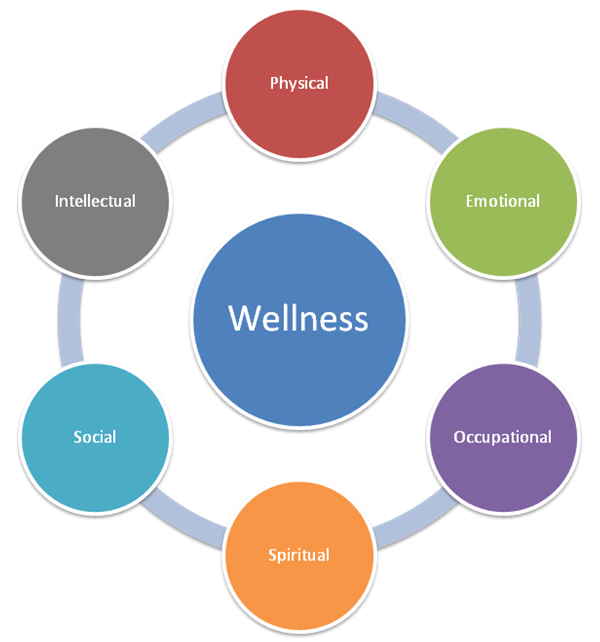
Health and success are closely connected.
Energy, focus, emotional stability, productivity, confidence, and resilience all influence personal and professional growth.
People who maintain healthier routines often find it easier to handle challenges, maintain performance, and pursue long-term goals.
Wellness should not be viewed as separate from success.
Taking care of physical and mental health creates stronger foundations for every other area of life.
Long-term success becomes more achievable when supported by sustainable habits.
Making Wellness Part of Everyday Life
One reason wellness routines fail is because people treat them as temporary projects.
Daily habits work best when integrated naturally into existing routines.
Instead of making dramatic changes overnight, gradual adjustments often create better results.
Adding one new habit at a time allows routines to become sustainable.
Wellness is not a destination where everything becomes perfect.
It is an ongoing process of making better decisions more consistently.
Small improvements accumulate over time and eventually create significant changes.
FAQ’s
Best Terrace Gardening Ideas for a Green and Beautiful Home
A Terrace Gardening can look completely different once you start keeping plants there. Earlier, I…

Best Small House Elevation Ideas: Simple and Modern Designs
When someone starts planning a new house, the first things that usually come to mind…

Emotional Boundaries: How to Set Healthy Limits in Relationships
I used to think that being a good person meant being available whenever someone needed…

Popular Indian Fast Food: Delicious Snacks You’ll Love
There are days when you leave home thinking you are not hungry at all, and…

Daily Hydration Tips for Better Health and Energy
We’ve all hit that wall around 3:00 PM. You are staring at your screen, reading…

Best Bedroom Ideas for a Cozy and Beautiful Home
A bedroom should feel comfortable before it feels stylish. You can have beautiful furniture and…