
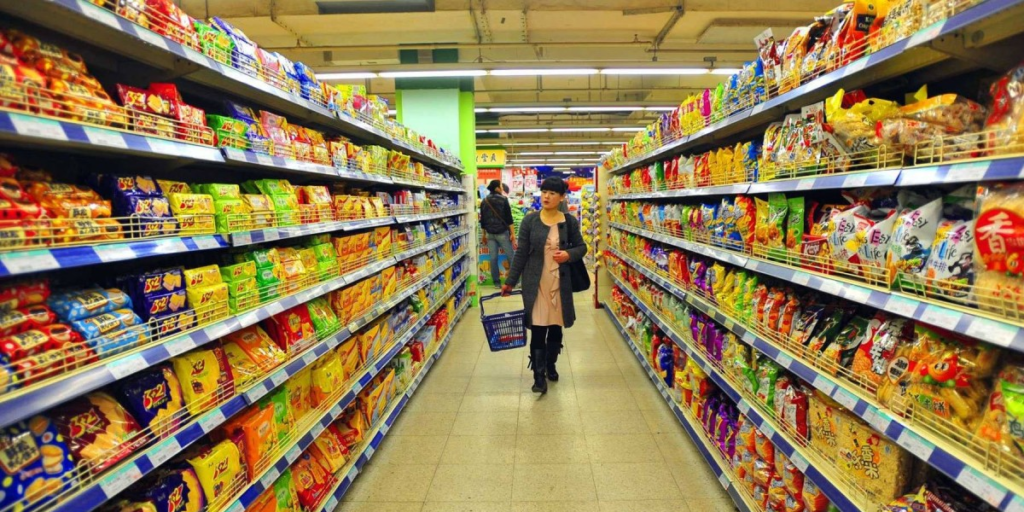
The way people shop for groceries has changed dramatically over the last decade. What was once considered a weekly task involving long store visits, crowded aisles, and heavy bags has evolved into something much more convenient and flexible. Consumers today are no longer only interested in buying products; they want efficiency, speed, affordability, and convenience.
Busy schedules, changing lifestyles, and growing digital habits have transformed expectations around grocery shopping. People want access to fresh products without sacrificing valuable hours from their day. They want better ways to manage household expenses while avoiding unnecessary stress.
Modern grocery shopping is not simply about ordering food anymore. It has become part of a larger shift toward simplifying everyday routines and creating better experiences for consumers who value both convenience and quality.
The Changing Habits of Modern Consumers
Consumer behavior has changed because daily life has become increasingly fast-paced. Many households balance work commitments, family responsibilities, social obligations, and personal goals simultaneously. Spending several hours traveling to stores and walking through endless aisles no longer feels practical for many people.
As lifestyles become busier, shopping habits naturally adapt. People increasingly prefer solutions that fit around their schedules rather than forcing schedules around shopping.
Modern consumers want flexibility. Some prefer ordering groceries late at night after work. Others want to schedule deliveries during weekends or early mornings. The ability to shop whenever necessary has become one of the biggest advantages of modern grocery experiences.
These changing habits have created demand for faster, smarter, and more customer-focused shopping solutions.
Why Convenience Has Become So Important
Convenience has become one of the biggest factors influencing shopping decisions. Consumers are constantly looking for ways to reduce unnecessary tasks and save time wherever possible.
Traditional grocery shopping often involves multiple steps. Traveling to stores, searching for products, waiting in lines, and carrying purchases home can consume a large portion of the day.
Modern shopping solutions remove many of these challenges.
The ability to browse products from home, create shopping lists digitally, and receive purchases directly creates a much easier experience. Convenience allows people to focus more energy on activities that matter most rather than routine tasks.
This shift explains why simplified shopping experiences continue growing in popularity.
Saving Valuable Time Through Smarter Shopping
Time has become one of the most valuable resources for modern consumers.
When people evaluate shopping options, they increasingly think about how much time they can save rather than focusing only on prices. A process that previously required several hours can now often be completed within minutes.
Digital grocery systems allow consumers to search products quickly, reorder previously purchased items, and complete shopping without leaving home.
The time savings become even more noticeable for families managing large households. Parents balancing work and childcare often appreciate shopping methods that reduce unnecessary travel and simplify weekly routines.
Saving even a few hours each week creates meaningful long-term benefits.
Managing Household Budgets More Effectively
Grocery expenses represent a significant portion of monthly household spending. Because of this, consumers increasingly look for shopping methods that improve financial control.
Many people overspend during traditional shopping trips because physical environments encourage impulse purchases. Products placed strategically throughout stores often lead customers to buy items they never intended to purchase.
Modern shopping experiences offer greater visibility.
Consumers can monitor spending while shopping, review totals before checkout, compare alternatives, and make adjustments more easily.
This transparency creates stronger budgeting habits.
Instead of discovering total expenses only at checkout, shoppers maintain control throughout the entire process.
Better visibility often leads to better financial decisions.
Freshness and Quality Continue to Matter
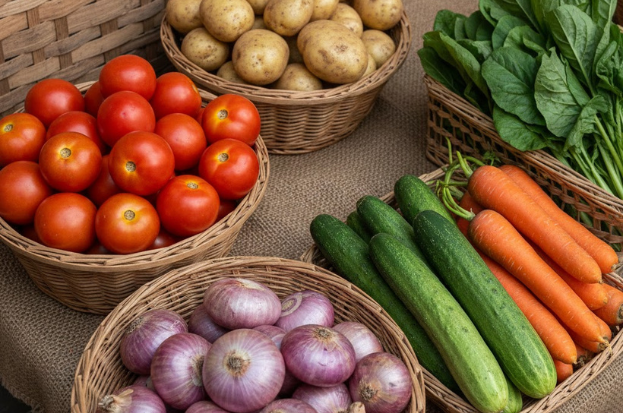

Convenience alone is not enough to satisfy customers. Product quality remains equally important.
Consumers expect fresh fruits, vegetables, dairy products, bakery items, frozen foods, and household essentials to meet high standards regardless of how they shop.
Quality expectations have increased significantly because customers now compare experiences across multiple shopping methods.
People want confidence that products arrive in excellent condition and meet expectations consistently.
Trust plays an important role in shopping decisions. Consumers return repeatedly to services that provide reliable experiences and dependable quality.
Without quality, convenience loses much of its value.
How Flexible Delivery Creates Better Experiences
One reason modern grocery shopping has become so popular is flexibility.
Different households operate differently. Some consumers need groceries immediately. Others prefer scheduled deliveries that match their routines.
Flexible delivery systems help accommodate these different needs.
Busy professionals may prefer evening deliveries after work. Families may choose weekend delivery windows. Some customers value same-day services for urgent purchases.
Having options creates a more personalized experience.
Flexibility removes pressure from shopping and allows consumers to choose methods that fit naturally into their lives.
This customer-focused approach significantly improves overall satisfaction.
The Growing Popularity of Meal Planning
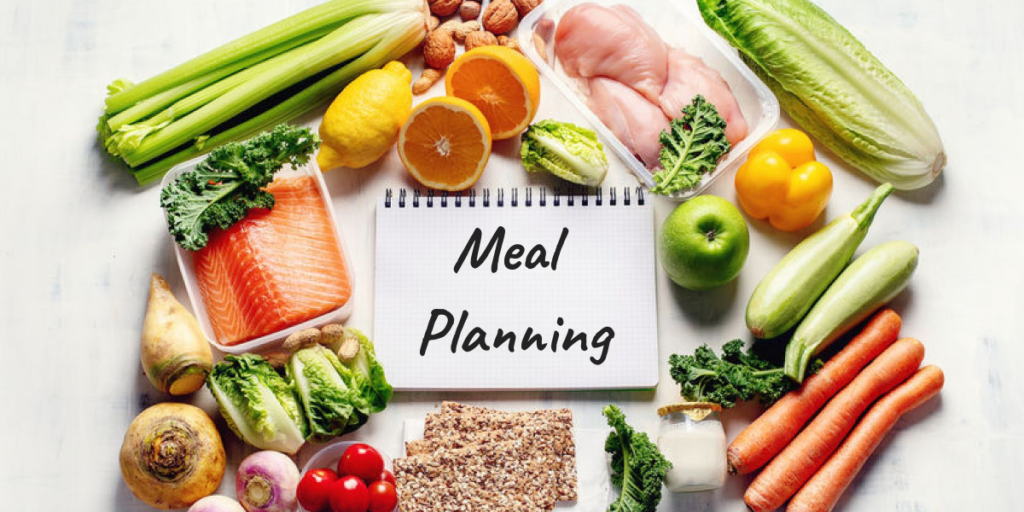
Meal planning has become increasingly common because it simplifies household management.
Planning meals before shopping allows consumers to purchase more intentionally rather than making random decisions throughout the week.
This approach offers multiple advantages.
People waste less food because they buy only necessary ingredients. Grocery spending becomes more predictable because shopping lists are more focused. Daily decision-making becomes easier because meals are already planned.
Many households discover that meal planning reduces stress significantly.
When shopping becomes more organized, daily routines often become easier as well.
Reducing Food Waste Through Better Shopping Habits
Food waste remains a major challenge for many households.
People frequently purchase products they forget to use or buy quantities larger than necessary. These habits create unnecessary expenses and increase waste.
Smarter shopping methods encourage more thoughtful purchasing.
Digital lists, previous order histories, and easier planning help consumers remember what they actually need.
Shopping with greater awareness reduces waste while improving budget efficiency.
Even small improvements in shopping habits can create noticeable financial benefits over time.
Consumers increasingly recognize that smarter shopping supports both household finances and sustainability goals.
Personalized Shopping Experiences Are Becoming Standard
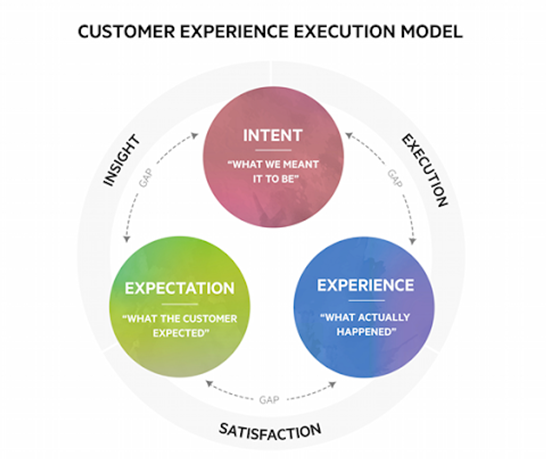
Modern consumers increasingly expect personalized experiences in nearly every industry.
Grocery shopping is no exception.
Personalization creates convenience by helping shoppers find products faster and reducing repetitive tasks.
Returning customers often appreciate experiences that remember preferences, suggest relevant products, and simplify repeat purchases.
These improvements reduce friction throughout the shopping process.
The goal is not simply selling more products.
The goal is creating easier experiences that encourage long-term customer satisfaction.
As personalization technologies continue improving, shopping experiences will likely become even more efficient.
Technology Is Transforming Everyday Shopping
Technology now influences nearly every stage of modern grocery shopping.
Search systems make products easier to find. Smart recommendations improve discovery. Delivery tracking creates transparency. Payment systems simplify transactions.
Most consumers do not necessarily notice these technologies directly.
Instead, they notice that shopping feels faster, smoother, and easier.
The best technology often works quietly in the background.
Consumers typically care less about technical features and more about outcomes.
If technology reduces effort and saves time, customers see value.
This simple principle continues driving innovation throughout grocery retail.
Balancing Affordability and Quality
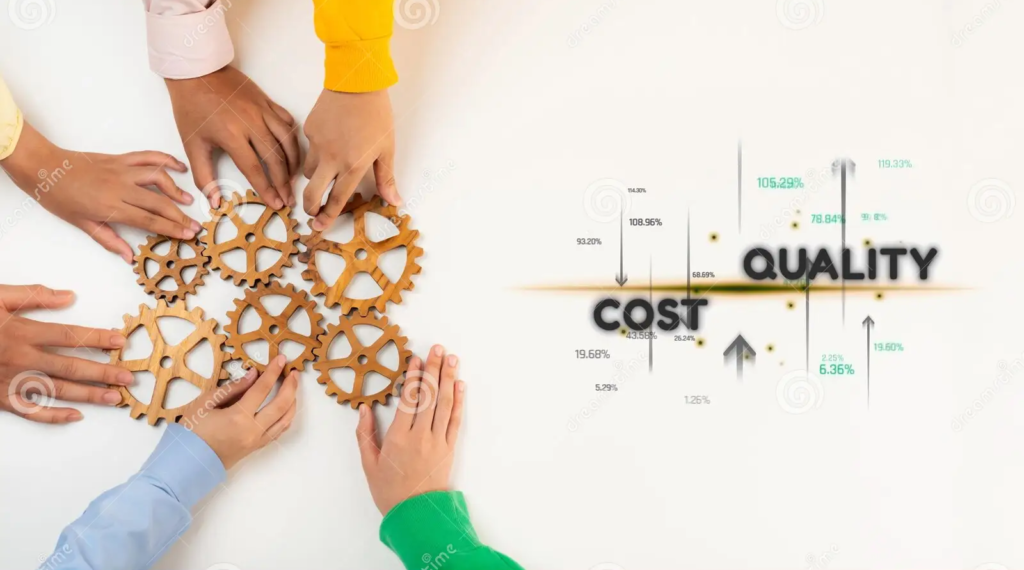
Consumers constantly balance two priorities when shopping.
They want affordable prices while maintaining good quality.
This balance influences nearly every purchase decision.
Low prices attract attention, but consistent value builds loyalty.
Customers usually evaluate experiences based on multiple factors rather than price alone.
Reliable service, product availability, convenience, quality, and affordability all contribute to overall satisfaction.
Modern grocery experiences increasingly focus on delivering this balance because consumers expect more than basic transactions.
The Future of Grocery Shopping
Shopping experiences will continue evolving as consumer expectations change.
Future improvements will likely focus on greater convenience, faster delivery, better personalization, and more efficient experiences.
Consumers will continue seeking ways to simplify daily routines.
Businesses that successfully reduce complexity while maintaining quality will continue shaping the future of grocery shopping.
The fundamental goal remains simple.
Make shopping easier while improving customer experiences.
As technology advances and lifestyles continue changing, convenience will remain one of the strongest drivers of innovation.
FAQ’s
Best Terrace Gardening Ideas for a Green and Beautiful Home
A Terrace Gardening can look completely different once you start keeping plants there. Earlier, I…

Best Small House Elevation Ideas: Simple and Modern Designs
When someone starts planning a new house, the first things that usually come to mind…

Emotional Boundaries: How to Set Healthy Limits in Relationships
I used to think that being a good person meant being available whenever someone needed…

Popular Indian Fast Food: Delicious Snacks You’ll Love
There are days when you leave home thinking you are not hungry at all, and…
Daily Hydration Tips for Better Health and Energy
We’ve all hit that wall around 3:00 PM. You are staring at your screen, reading…

Best Bedroom Ideas for a Cozy and Beautiful Home
A bedroom should feel comfortable before it feels stylish. You can have beautiful furniture and…