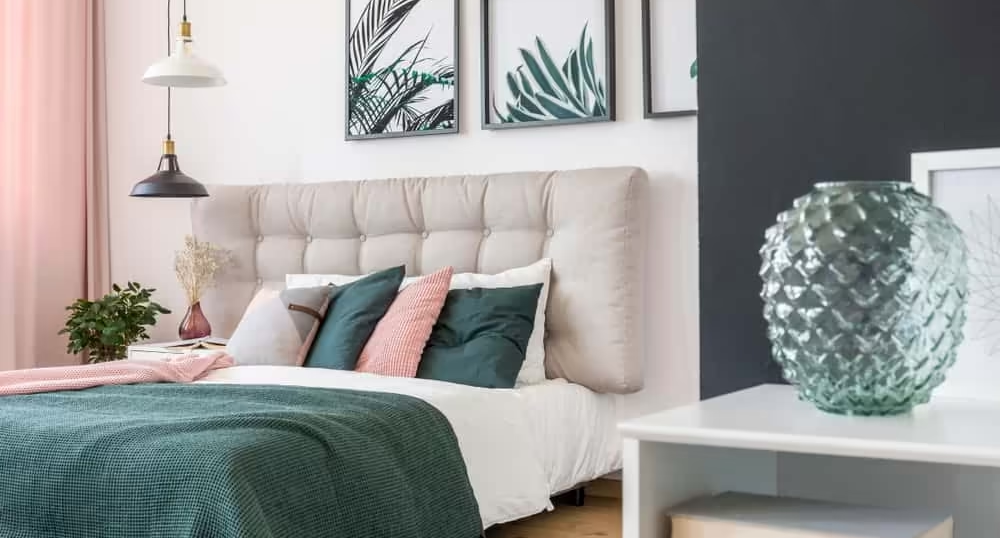
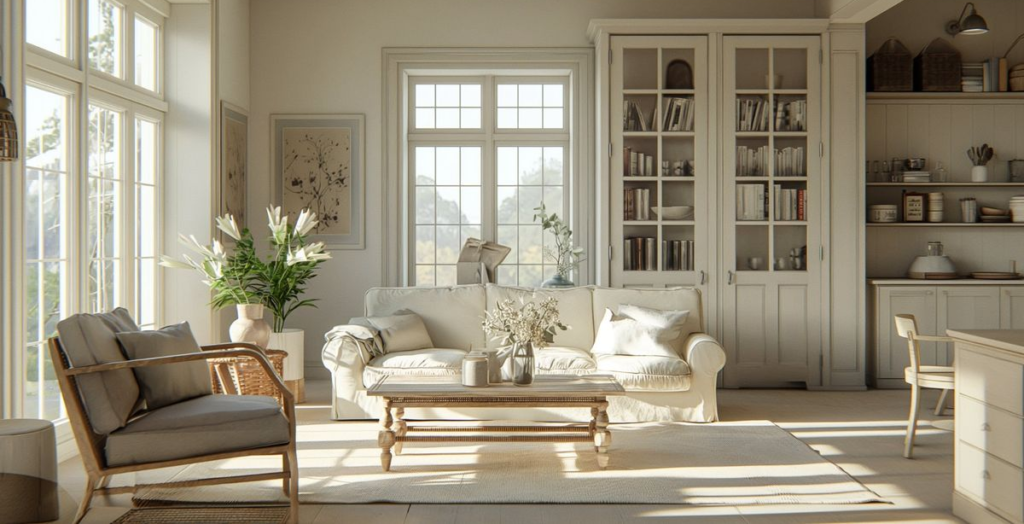
A home is more than just a place to sleep or store belongings. It is where people begin and end their days, create memories, relax after work, and spend time with family and friends. Because of this, the way a home looks and functions can directly influence comfort, productivity, and overall happiness.
Creating an organized and beautiful space does not always require expensive furniture, large renovations, or professional designers. In many cases, small changes in organization, layout, and design choices can completely transform how a home feels and functions. A well-organized home creates less stress, improves efficiency, and allows people to enjoy their surroundings more.
The goal is not perfection. Instead, the focus should be creating spaces that feel practical, comfortable, and visually pleasing while supporting everyday life.
Understanding the Importance of Organization at Home
Organization is often associated with storage boxes, shelves, and cleaning routines, but it goes beyond simply putting items away. An organized home creates structure that makes daily activities easier.
When spaces become cluttered, simple tasks can become frustrating. Searching for lost items, dealing with overcrowded rooms, and constantly cleaning around unnecessary objects can create unnecessary stress.
Organized spaces provide several benefits. They improve efficiency because everything has a designated place. They create visual calm because rooms appear cleaner and more open. They also make maintenance easier because fewer unnecessary items create less mess.
Creating organization should not be viewed as a one-time project. It works best when integrated into everyday habits.
Starting With Decluttering
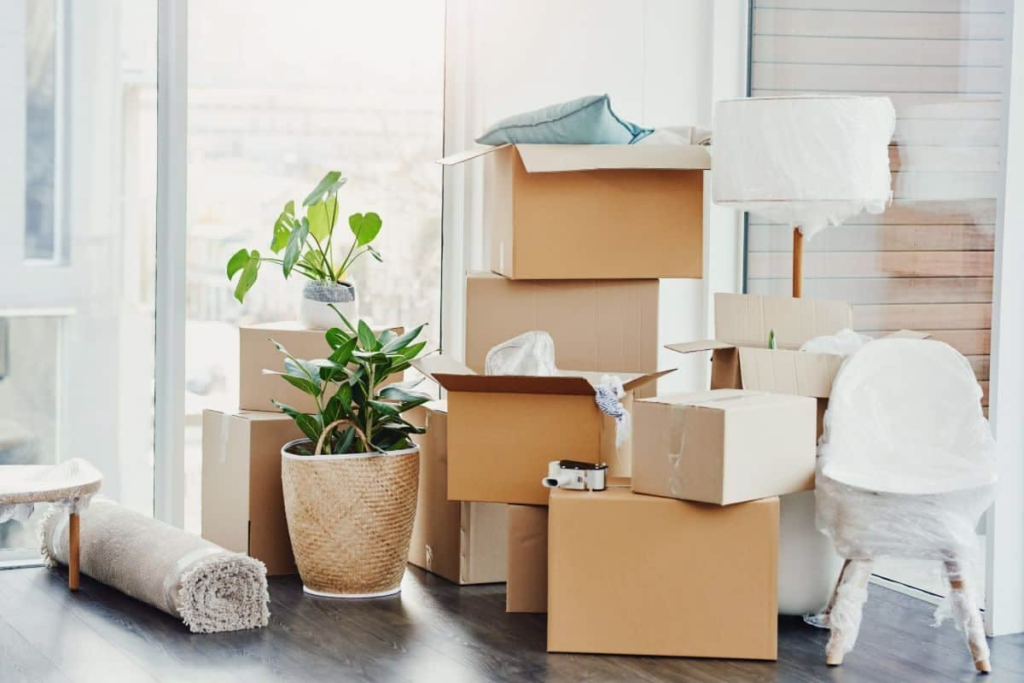
Before organizing any space, reducing unnecessary belongings often produces the biggest results.
Many homes accumulate items over time that no longer serve a purpose. Clothing that is rarely worn, unused kitchen tools, outdated decorations, or duplicate household products can slowly create overcrowded spaces.
Decluttering allows people to evaluate what they actually use and enjoy.
A practical approach is focusing on one room or category at a time rather than attempting to reorganize an entire house immediately. Smaller projects feel more manageable and create faster visible progress.
Removing excess belongings creates more room for organization while making spaces feel lighter and easier to maintain.
Creating Functional Layouts
Beautiful spaces are not only visually attractive. They also function well.
Furniture placement significantly influences how comfortable a room feels. Rooms with poor layouts may appear crowded even when they contain relatively few items.
Functional layouts should support natural movement throughout the space.
Consider how people use each room. Living rooms should encourage conversation and relaxation. Bedrooms should promote rest and comfort. Kitchens should support easy movement during cooking.
Creating enough open space between furniture pieces often makes rooms feel larger and more inviting.
Function should guide design decisions rather than simply following trends.
Using Storage Solutions Wisely

Storage plays an important role in maintaining organization, but effective storage is not about hiding clutter. It is about creating systems that support everyday routines.
The best storage solutions are easy to access and simple to maintain.
Open shelving can display decorative items while keeping frequently used objects nearby.
Multi-purpose furniture can provide additional storage without occupying extra space.
Vertical storage helps maximize smaller rooms by using wall space efficiently.
Hidden storage options reduce visual clutter while keeping important items accessible.
Rather than purchasing storage containers immediately, understanding what actually needs storage often produces better results.
Choosing a Consistent Design Style
Beautiful homes usually feel cohesive rather than random.
This does not mean every room must look identical, but maintaining consistency creates a stronger visual flow throughout the home.
Choosing a general style direction helps simplify decorating decisions.
Some people prefer minimal designs with clean lines and neutral colors.
Others enjoy warm, layered spaces with textures and decorative elements.
Regardless of style preference, repeating colors, materials, and design elements throughout multiple rooms creates better visual balance.
Consistency makes homes feel intentional rather than crowded or disconnected.
Using Color to Improve Spaces
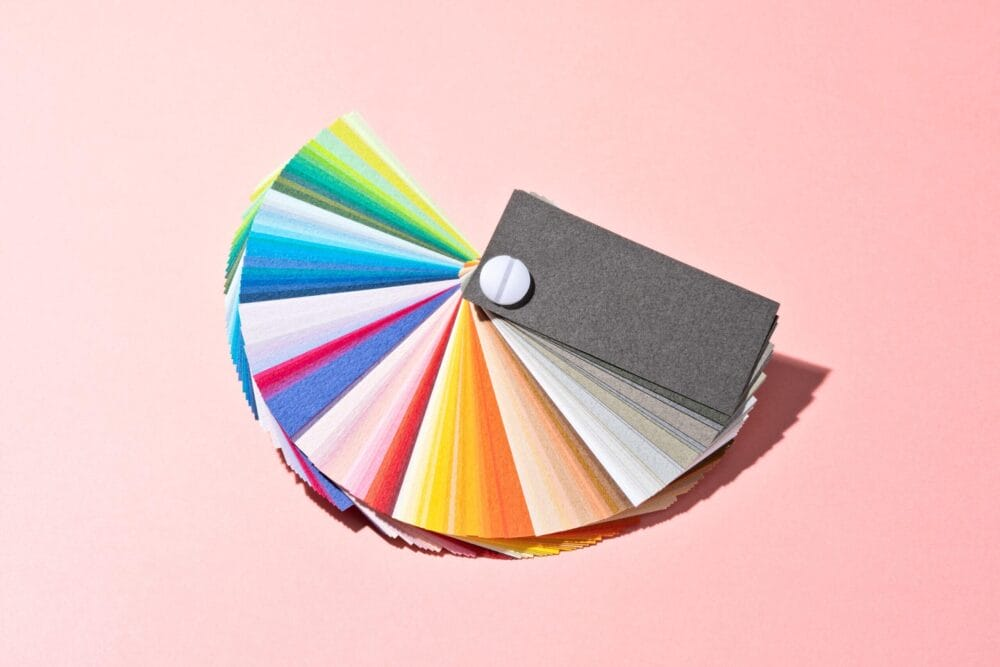
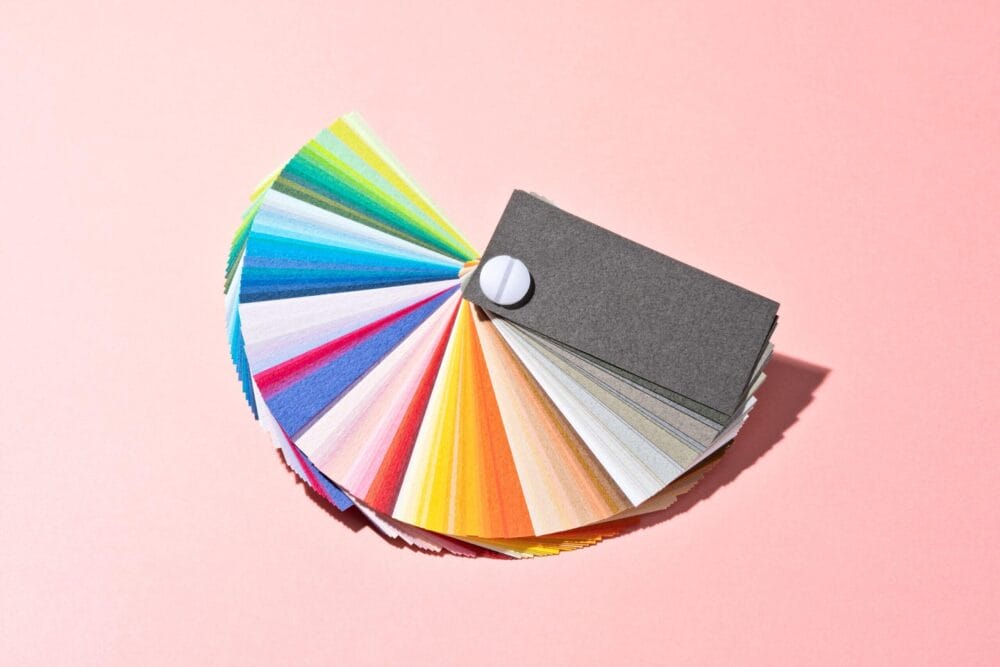
Lighter colors often create openness and brightness. Darker colors can create warmth and depth. Neutral palettes provide flexibility while accent colors add personality.
Color significantly affects how spaces feel.
Color choices should consider both aesthetics and functionality.
Bedrooms often benefit from calming tones.
Workspaces may benefit from colors that encourage focus.
Living areas frequently combine comfort with energy.
Using too many competing colors can create visual clutter, while balanced color schemes often make spaces feel more organized.
Even small color updates through cushions, artwork, rugs, or accessories can refresh rooms without major expenses.
Lighting and Its Impact on Home Design
Lighting is frequently overlooked despite being one of the most important elements of home design.
Poor lighting can make even beautiful spaces feel uncomfortable.
Good lighting creates atmosphere, improves functionality, and enhances overall appearance.
Natural light should be maximized whenever possible because it makes spaces feel larger and more welcoming.
Layered lighting often works best.
Combining overhead lights with lamps, task lighting, and accent lighting creates flexibility for different activities.
Warm lighting typically creates comfort while brighter lighting supports productivity.
Thoughtful lighting can dramatically change how spaces are experienced.
Organizing Room by Room
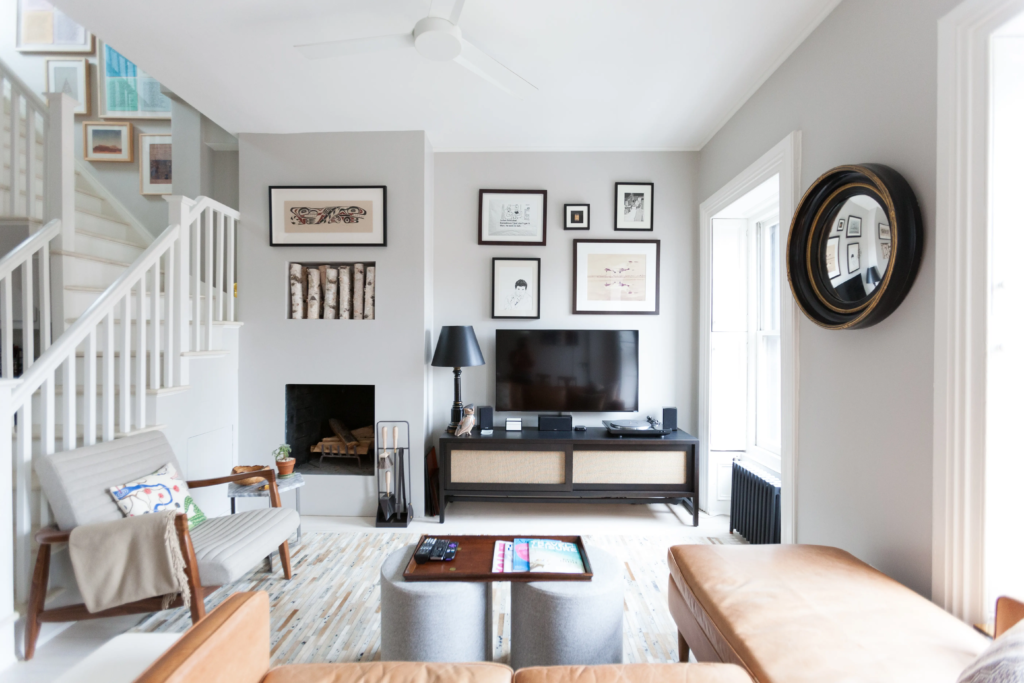
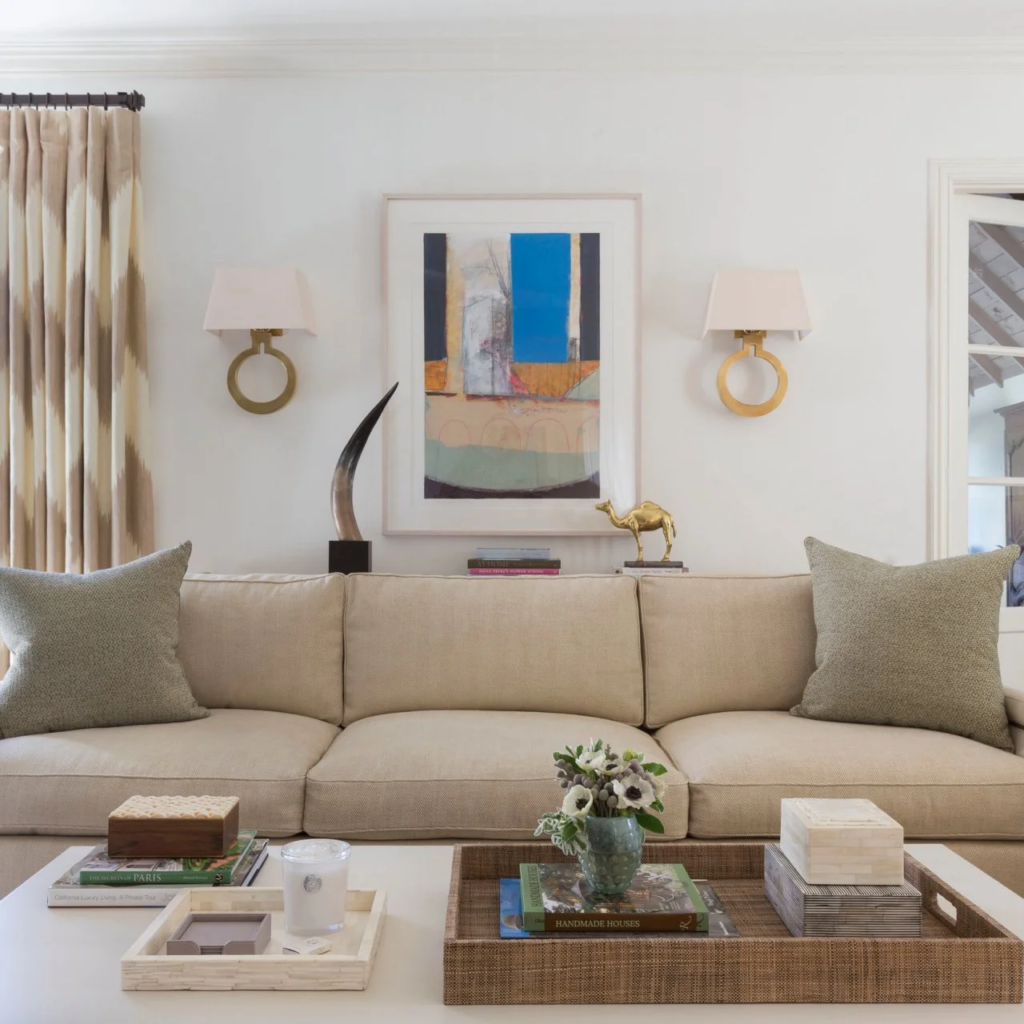
Different rooms require different organizational strategies.
Bedrooms benefit from reducing unnecessary furniture and maintaining simple storage systems.
Living rooms often require balance between comfort and organization because these spaces serve multiple functions.
Kitchens work best when frequently used items remain easily accessible.
Bathrooms benefit from minimizing visible clutter because limited space can become crowded quickly.
Home offices require systems that support focus while reducing distractions.
Understanding how each space functions helps create more effective organization systems.
Bringing Nature Into Living Spaces
Natural elements often make homes feel more comfortable and inviting.
Plants, natural textures, wood finishes, and organic materials create warmth while improving visual balance.
Adding greenery does not require large indoor gardens.
Even small plants can improve atmosphere and soften spaces filled with furniture and electronics.
Natural materials also create timeless designs because they remain versatile as trends change.
Combining modern functionality with natural elements creates spaces that feel comfortable rather than overly designed.
Creating Daily Habits That Maintain Organization
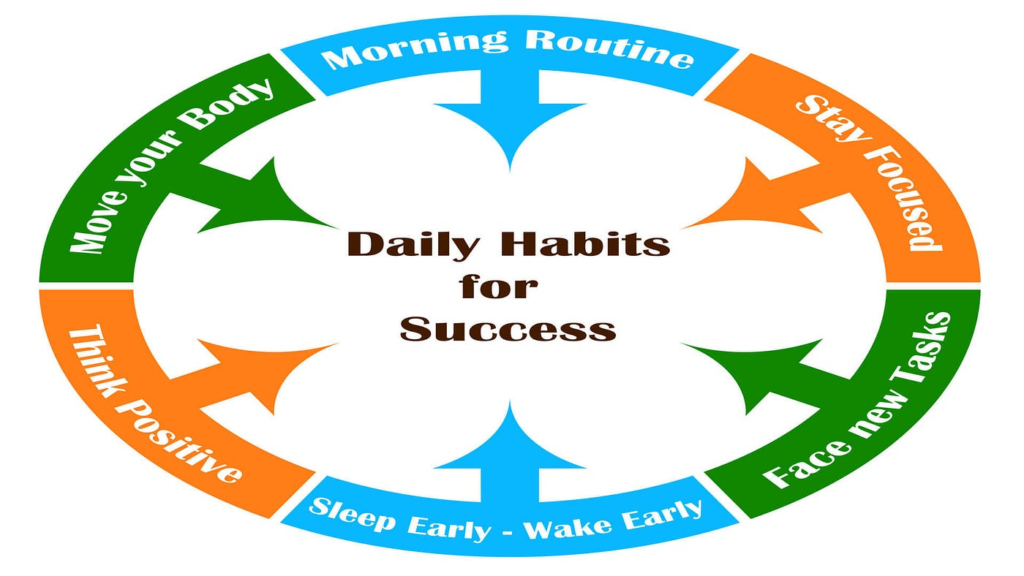
Even beautifully organized homes become cluttered without consistent habits.
Long-term organization depends more on routines than large cleaning sessions.
Small daily actions make significant differences.
Returning items after use, spending a few minutes tidying rooms, and avoiding unnecessary purchases help maintain organization naturally.
Creating systems that are easy to follow increases the likelihood they remain effective.
Homes should support everyday life rather than requiring constant maintenance.
Simple routines usually produce better long-term results than complicated systems.
Making Small Spaces Feel Larger
Limited space creates unique challenges, but thoughtful design can make smaller homes feel more comfortable.
Reducing unnecessary furniture creates openness.
Using mirrors increases visual depth.
Maintaining consistent colors reduces visual interruptions.
Multi-purpose furniture improves functionality without overcrowding rooms.
Keeping surfaces relatively clear also helps smaller spaces feel less overwhelming.
The goal is maximizing usability rather than simply fitting more items into available space.
Balancing Beauty and Practicality
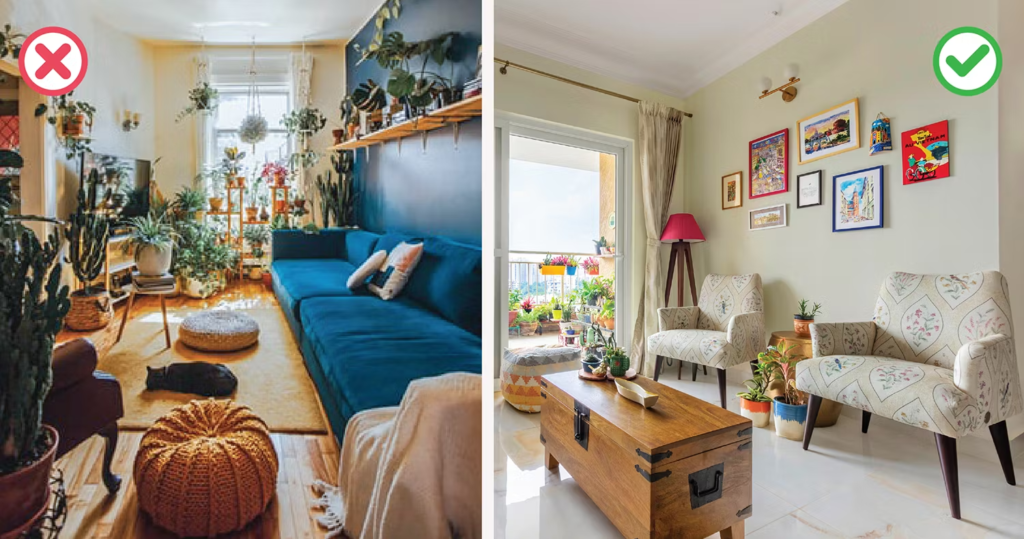
Many people focus heavily on appearance while forgetting functionality.
A beautiful room that does not support everyday activities quickly becomes frustrating.
Likewise, highly practical spaces without visual appeal may feel uninspiring.
Successful home design balances both.
Decorations should enhance rather than overcrowd.
Storage should remain accessible rather than complicated.
Furniture should support comfort while contributing to overall aesthetics.
The best homes feel lived in while remaining organized and visually pleasing.
Conclusion
Creating organized and beautiful spaces is not about achieving perfection or following every design trend. It is about building environments that support comfort, efficiency, and personal style.
Organization reduces stress, improves daily routines, and creates more enjoyable living environments. Thoughtful layouts, practical storage, balanced design choices, and consistent habits all contribute to spaces that feel better to live in.
Small improvements often create meaningful results. Over time, these changes transform houses into spaces that feel more functional, welcoming, and enjoyable every day.
FAQ’s
Best Terrace Gardening Ideas for a Green and Beautiful Home
A Terrace Gardening can look completely different once you start keeping plants there. Earlier, I…
Best Small House Elevation Ideas: Simple and Modern Designs
When someone starts planning a new house, the first things that usually come to mind…
Emotional Boundaries: How to Set Healthy Limits in Relationships
I used to think that being a good person meant being available whenever someone needed…
Popular Indian Fast Food: Delicious Snacks You’ll Love
There are days when you leave home thinking you are not hungry at all, and…

Daily Hydration Tips for Better Health and Energy
We’ve all hit that wall around 3:00 PM. You are staring at your screen, reading…

Best Bedroom Ideas for a Cozy and Beautiful Home
A bedroom should feel comfortable before it feels stylish. You can have beautiful furniture and…