

Outdoor adventure and extreme sports attract people who are looking for excitement beyond everyday routines. These activities are not just about thrill; they also build confidence, improve physical fitness, and help individuals connect deeply with nature. From mountain climbing and white-water rafting to skydiving and trail hiking, adventure sports offer experiences that are both challenging and rewarding.
This guide explores the world of outdoor adventure and extreme sports in detail, covering popular activities, essential preparation, safety measures, and how to get started even if you are a beginner.
Understanding Outdoor Adventure and Extreme Sports
Outdoor adventure refers to activities that take place in natural environments such as mountains, rivers, forests, and oceans. These experiences often involve exploration, physical effort, and a sense of unpredictability.
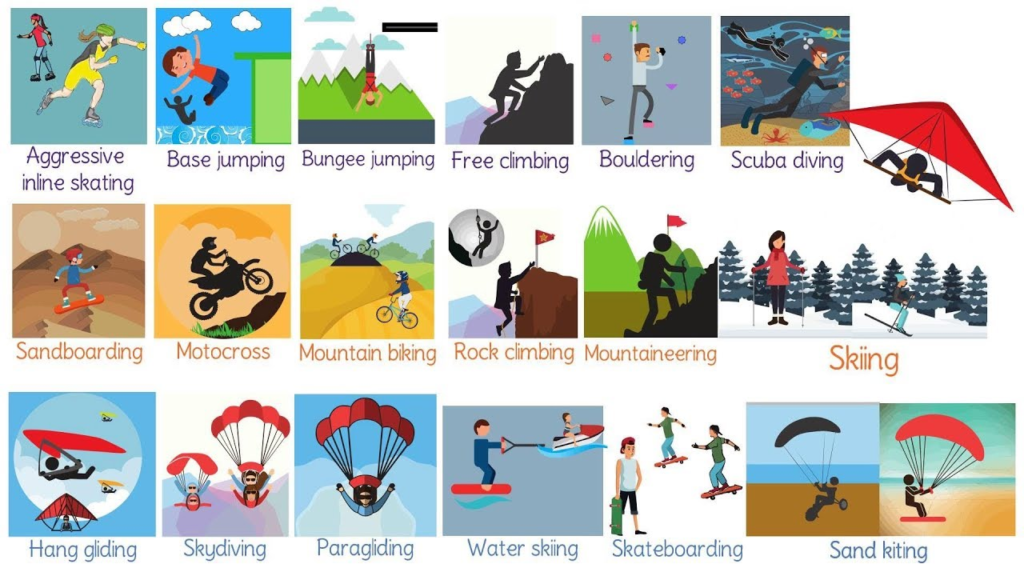
Extreme sports, on the other hand, are activities that involve higher levels of risk and adrenaline. These include sports like rock climbing, paragliding, bungee jumping, and snowboarding. While they may seem intimidating, they are carefully regulated and can be safe when proper precautions are followed.
Both adventure and extreme sports share a common purpose: pushing personal boundaries while enjoying the natural world in an active way.
Popular Types of Adventure Activities
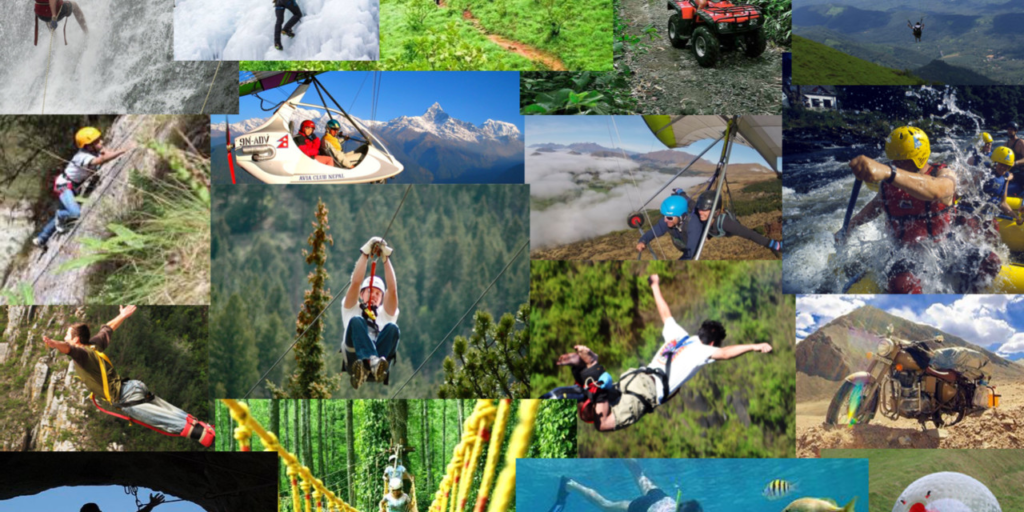
There are many forms of adventure sports, each offering a unique experience. Some of the most popular include:
Hiking and trekking are among the simplest ways to start. These activities involve walking through natural landscapes such as hills, forests, or mountains. They require minimal equipment and are suitable for beginners.
Rock climbing is a physically demanding activity that involves scaling natural rock formations or artificial climbing walls. It builds strength, focus, and problem-solving skills.
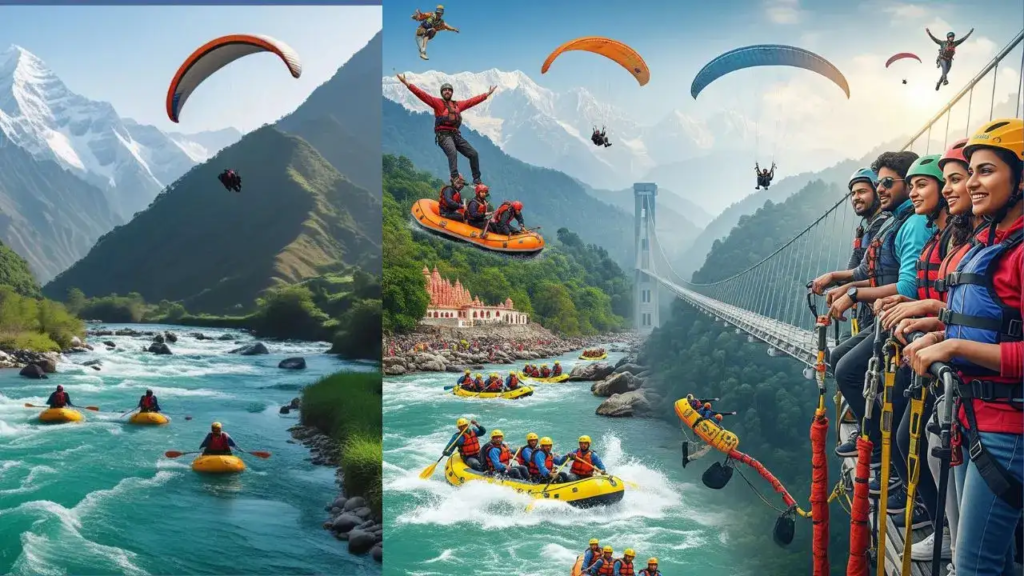
White-water rafting involves navigating fast-flowing rivers using inflatable rafts. It requires teamwork and quick decision-making.
Skydiving offers one of the most intense adrenaline experiences, where participants jump from an aircraft and free-fall before deploying a parachute.
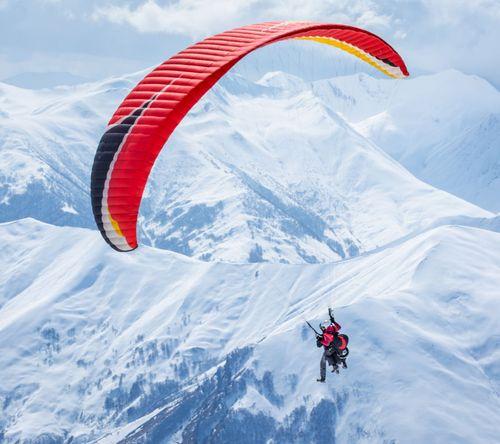
Paragliding allows individuals to glide through the air using a lightweight, free-flying canopy. It provides a unique aerial view of landscapes.
Camping is a more relaxed form of outdoor adventure that involves staying overnight in natural surroundings. It helps people disconnect from technology and enjoy simplicity.
Physical and Mental Benefits of Adventure Sports
Engaging in outdoor adventure activities has several benefits beyond entertainment.
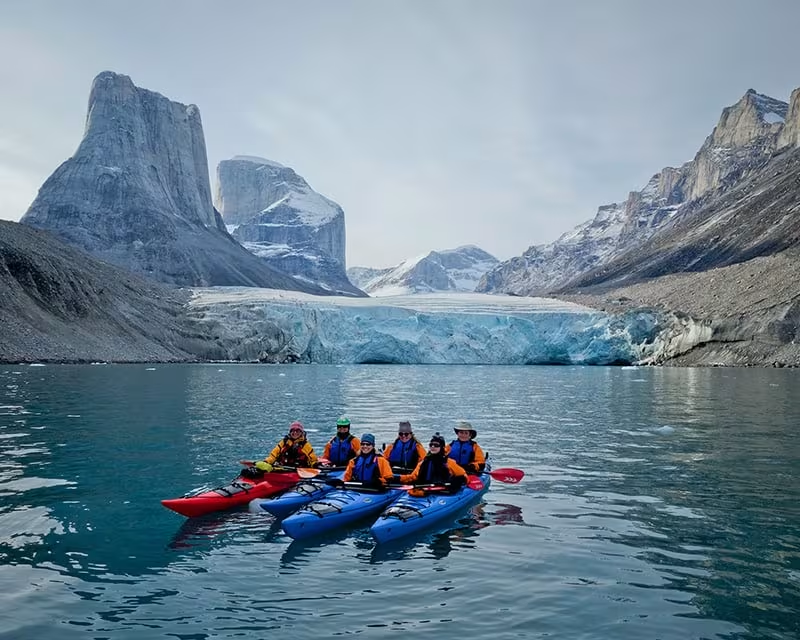
Physically, these sports improve strength, endurance, flexibility, and cardiovascular health. Activities like hiking, climbing, and kayaking involve full-body movement, which enhances overall fitness.
Mentally, adventure sports help reduce stress and anxiety. Being in natural environments has a calming effect on the mind. The challenges involved in extreme sports also improve focus, decision-making, and resilience.
Another important benefit is confidence building. Successfully completing difficult activities creates a sense of achievement and boosts self-esteem. Many people also develop better teamwork and communication skills when participating in group adventures.
Essential Preparation Before Starting
Proper preparation is crucial for any adventure activity. Without it, even simple experiences can become risky.
First, it is important to assess your physical fitness. Some activities require endurance, strength, or flexibility, so basic training may be necessary before participating.
Second, research the activity thoroughly. Understanding what to expect helps reduce fear and improves performance. Learning from experienced guides or instructors is highly recommended.
Third, choose the right equipment. Proper gear such as helmets, harnesses, ropes, or life jackets should always meet safety standards. Renting equipment from trusted providers is a good option for beginners.
Finally, always check weather conditions. Many outdoor activities depend heavily on safe weather, and ignoring this factor can lead to dangerous situations.
Safety Measures in Extreme Sports
Safety is the most important aspect of adventure sports. While these activities involve risk, proper precautions significantly reduce danger.
Always follow instructions given by trained professionals or guides. They have experience and understand how to handle unexpected situations.
Wearing protective gear is essential. Items like helmets, gloves, and safety harnesses are designed to prevent injuries.
Never attempt advanced activities without proper training. It is important to start with beginner-level experiences and gradually progress.
It is also important to stay within personal limits. Pushing yourself too far too quickly can lead to accidents or exhaustion.
Lastly, participating in activities with a group or guide is safer than going alone, especially in unfamiliar environments.
Best Destinations for Adventure Lovers
Around the world, there are many destinations known for outdoor adventure experiences.
Mountain regions offer activities like trekking, rock climbing, and skiing. Coastal areas provide opportunities for surfing, scuba diving, and kayaking. Forest regions are ideal for camping and wildlife exploration.
Each location offers a different type of experience, allowing adventure seekers to explore diverse environments and challenges.
Choosing a destination often depends on personal interest, skill level, and budget.
How Beginners Can Start Adventure Sports
Gradually increase difficulty levels as your skills improve. Moving step by step ensures steady progress without unnecessary risk.
It is also helpful to connect with experienced adventure communities. Learning from others can provide valuable insights and motivation.
Many people assume that adventure sports are only for experts, but beginners can easily get started with the right approach.
Start with simple activities like hiking or camping. These help build confidence and introduce basic outdoor skills.
Join beginner training programs or guided tours. Professional instructors can teach essential techniques and safety practices.
The Role of Mental Strength in Adventure Sports
Physical ability is important, but mental strength plays an equally significant role in adventure activities.
Fear is natural when trying extreme sports for the first time. However, learning to manage fear is part of the experience. Overcoming mental barriers helps individuals grow stronger and more confident.
Focus, patience, and decision-making are critical during challenging situations. Many adventure sports require quick thinking and calm behavior under pressure.
Over time, individuals develop resilience, which also benefits other areas of life such as work and personal challenges.
Adventure as a Lifestyle
For many people, adventure is not just an occasional activity but a way of life. It encourages exploration, curiosity, and a deeper connection with nature.
Living an adventure-oriented lifestyle often leads to healthier habits, such as regular physical activity and reduced screen time. It also promotes appreciation for natural environments and sustainability.
People who engage regularly in outdoor activities often report higher life satisfaction and emotional well-being.
Conclusion
Outdoor adventure and extreme sports offer a powerful combination of excitement, challenge, and personal growth. Whether it is hiking through mountains, diving into rivers, or flying through the sky, each experience teaches valuable lessons about strength, courage, and resilience.
With proper preparation, safety awareness, and a willingness to learn, anyone can explore the world of adventure sports. It is not about being fearless but about being prepared and open to new experiences.
Adventure helps individuals break routine, discover their limits, and connect more deeply with both nature and themselves.
F&Q
- What are outdoor adventure sports?
Activities like hiking, rock climbing, and rafting done in natural environments for thrill and exploration. - Are extreme sports dangerous?
They carry risks, but proper training and safety gear reduce dangers significantly. - What gear is essential for beginners?
Basic safety equipment like helmets, harnesses, and weather-appropriate clothing. - Do I need training before trying extreme sports?
Yes, beginners should start with guided sessions or professional instruction. - Which outdoor adventure is best for beginners?
Hiking, camping, and kayaking are great starting points.

Best Terrace Gardening Ideas for a Green and Beautiful Home
A Terrace Gardening can look completely different once you start keeping plants there. Earlier, I…

Best Small House Elevation Ideas: Simple and Modern Designs
When someone starts planning a new house, the first things that usually come to mind…

Emotional Boundaries: How to Set Healthy Limits in Relationships
I used to think that being a good person meant being available whenever someone needed…

Popular Indian Fast Food: Delicious Snacks You’ll Love
There are days when you leave home thinking you are not hungry at all, and…

Daily Hydration Tips for Better Health and Energy
We’ve all hit that wall around 3:00 PM. You are staring at your screen, reading…

Best Bedroom Ideas for a Cozy and Beautiful Home
A bedroom should feel comfortable before it feels stylish. You can have beautiful furniture and…