

After a relentless day, Bedtime Routine offers a rare pocket of quiet. Whether you spent the hours running errands, managing household tasks, staring at spreadsheets, or navigating non-stop conversations, getting into bed should feel like a relief. Yet, so often, the physical body collapses onto the mattress while the mind spins out of control.
You suddenly remember an email you forgot to send. You start rehearsing a difficult conversation from three days ago, worrying about tomorrow’s schedule, or feeling guilty for staying up late once again.

┌────────────────────────────────────────────────────────────────────────┐
│                        THE EVENING TRANSITION                          │
├────────────────────────────────────────────────────────────────────────┤
│  [ High-Stimulation Day ]                                             │
│  Work • Screens • Housework • Constant Decisions                       │
│                            │                                           │
│                            ▼                                           │
│  [ The Wind-Down Buffer ]                                              │
│  Dimmed Lights • No Screens • Gentle Prep • Quiet Activity             │
│                            │                                           │
│                            ▼                                           │
│  [ Restful Sleep ]                                                     │
│  Lower Core Temp • Reduced Heart Rate • Quiet Mind                     │
└────────────────────────────────────────────────────────────────────────┘
The good news is that restoring peace to your evenings doesn’t require an expensive 10-step wellness regimen, specialized products, or rigid discipline. The secret lies in creating a simple, predictable sequence of small habits that tell your nervous system the workday is officially over.
Why Evening Routines Matter

An evening routine isn’t a strict set of rules; it’s a personal bridge between daytime productivity and nighttime rest.
┌────────────────────────────────────────────────────────────────────────┐
│                        TWO PATHS TO BEDTIME                            │
├────────────────────────────────────────────────────────────────────────┤
│  PATH A: The Abrupt Cutoff                                             │
│  [Work/Screen Scrolling] ──► [Lights Off] ──► [Mind Races for Hours]   │
│                                                                        │
│  PATH B: The Gradual Buffer                                            │
│  [Work Ends] ──► [Dim Lights/Shower] ──► [Read/Stretch] ──► [Easy Sleep]│
└────────────────────────────────────────────────────────────────────────┘
Consider two contrasting nights:
- Path A: You work or scroll on your phone right up until midnight. You turn off the lamp, pull up the covers, and expect to fall asleep instantly. Instead, your brain remains hyper-vigilant, processing blue light and high-stimulation inputs for another hour.
- Path B: You set your phone aside 45 minutes before sleep. You take a warm shower, lay out your clothes for tomorrow, dim the overhead lights, and read a single chapter of a book. By the time your head hits the pillow, your heart rate has lowered, and your mind is ready to quiet down.
8 Practical Habits for Better Sleep
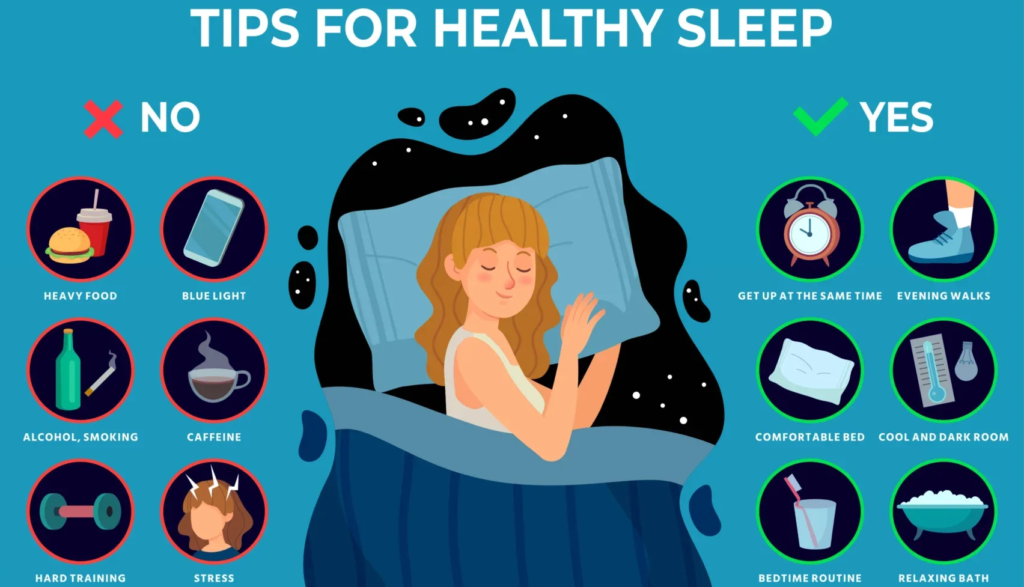
Instead of attempting a total lifestyle overhaul, choose two or three of the following habits to build your baseline evening buffer.
┌────────────────────────────────────────────────────────────────────────┐
│                     EVENING HABIT TOOLKIT                              │
├────────────────────────────────────────────────────────────────────────┤
│  1. Screen Disconnect  │ Step away from blue light & alerts          │
│  2. Thermal Shift      │ Warm shower to lower core body temp          │
│  3. Tactile Reading    │ Low-stimulation physical books               │
│  4. Environment Audit  │ Dim overhead lights & declutter nightstand   │
│  5. Somatic Release    │ Gentle stretching to relieve physical tension│
│  6. Brain Dump         │ Write down tomorrow's tasks to clear focus   │
│  7. Consistent Timing  │ Keep sleep/wake anchors stable               │
│  8. Digestive Buffer   │ Finish heavy meals 2-3 hours before bed      │
└────────────────────────────────────────────────────────────────────────┘
1. Create a Screen Buffer
Constant exposure to notifications, social feeds, and bright screen light keeps your central nervous system alert. Give yourself a 30 to 60-minute screen-free buffer before turning off the lights.
- Action: Charge your phone across the room or on a nightstand outside arm’s reach so you aren’t tempted to scroll in bed.
2. Take a Warm Shower or Bath before Bedtime Routine

Showering does more than just clean your skin; it acts as a thermal trigger for sleep. As warm water dilates blood vessels, your body sheds heat rapidly after you step out. This sudden drop in core body temperature naturally signals to your brain that it is time to sleep.
3. Read Low-Stimulation Material
Reading physical paper—whether light fiction, essays, or memoirs—redirects an overactive internal monologue toward a neutral focal point. Avoid intense thrillers or complex work materials that trigger stress or deep analytical thinking.
4. Optimize the Bedroom Environment
Your surroundings directly affect how quickly you relax. You don’t need a total home renovation to improve your sleep sanctuary.
| Environmental Factor | Target Condition | Simple Fix |
| Lighting | Low / Warm Tone | Turn off overheads; use warm-wattage bedside lamps. |
| Temperature | Cool (~65-68°F / 18-20°C) | Adjust the thermostat or open a window slightly. |
| Clutter | Minimal Visual Noise | Clear off your nightstand; put dirty laundry in a hamper. |
| Bed Use | Sleep & Rest Only | Move daytime work, studying, and eating to a desk or table. |
5. Release Physical Tension with Light Stretching
If you sit at a desk or stand on your feet all day, physical tightness can keep you restless. Spend 3 to 5 minutes doing low-intensity movements:
- Neck rolls and shoulder drops
- Seated forward folds
- Gentle child’s pose or ha

6. Perform a Mind-Dump in a Journal
When your brain keeps looping over forgotten chores or tomorrow’s to-do list, write them down. Externalizing these thoughts onto paper reassures your brain that the information is safe, allowing you to let go for the night.
┌────────────────────────────────────────────────────────────────────────┐
│                       THE 3-MINUTE BRAIN DUMP                          │
├────────────────────────────────────────────────────────────────────────┤
│  [ Intrusive Thought ] ──► [ Write It Down ] ──► [ Close Notebook ]    │
│  "Don't forget the 9am"    "9am meeting prep"    "Handled for tomorrow"│
└────────────────────────────────────────────────────────────────────────┘
7. Maintain a Stable Anchor Time
While absolute perfection isn’t necessary, keeping your wake-up time within a consistent 30-to-60-minute window (even on weekends) keeps your internal circadian clock steady, making it much easier to fall asleep naturally each night.
8. Manage Evening Digestion & Caffeine Intake
Heavy, rich meals eaten right before bed force your digestive system to work overtime, increasing core temperature and causing acid reflux. Aim to finish heavy dinners at least two to three hours before sleep. Similarly, cap caffeine consumption by early afternoon to ensure your body processes it completely before bedtime.
Designing Your Blueprint: Full vs. Express
Your Bedtime Routine should flex based on how much time and energy you have. Rather than abandoning your routine on exhausting days, switch from your full blueprint to an express version.
┌────────────────────────────────────────────────────────────────────────┐
│                     ROUTINE COMPARISON MATRIX                          │
├────────────────────────────────────────────────────────────────────────┤
│  FULL EVENING ROUTINE (~45-60 Mins)                                    │
│  [Screens Off] ──► [Shower] ──► [Brain Dump] ──► [Stretch] ──► [Read]  │
│                                                                        │
│  EXPRESS ROUTINE (~10-15 Mins)                                         │
│  [Screens Off] ──► [Brush Teeth] ──► [Quick Prep] ──► [Lights Out]    │
└────────────────────────────────────────────────────────────────────────┘
Example Full Blueprint (45–60 Minutes)
- 9:30 PM: Park your phone away from the bed.
- 9:35 PM: Take a warm shower and put on comfortable clothes.
- 9:50 PM: Jot down tomorrow’s top 3 priorities in a notebook.
- 9:55 PM: Do 5 minutes of light stretching.
- 10:00 PM: Read a book under soft lamp lighting.
- 10:20 PM: Turn off the light and rest.
Example Express Blueprint (10–15 Minutes)


- 10:15 PM: Put your phone on silent across the room.
- 10:18 PM: Wash your face and brush your teeth.
- 10:23 PM: Lay out your clothes for the morning.
- 10:25 PM: Get into bed, take five slow deep breaths, and close your eyes.
Common Pitfalls to Avoid
- Treating Bedtime Like a Strict Chore List: If missing a step makes you feel anxious, your routine is working against you. Keep it simple and flexible.
- Using the Bed as an Office or Media Center: Working or watching intense shows in bed blurs the mental boundary between high-energy focus and rest.
- Expecting Instant Transformation: Habits take time to settle into your biology. Give a new evening sequence at least two weeks before deciding whether it works for you.
FAQ’s

Easy Kitchen & Dining Ideas for a Stylish Home
The Kitchen & Dining area are two of the most frequently used spaces in a…

Healthy Lifestyle: Simple Habits for a Happier Life
A Healthy Lifestyle sounds simple until you try to fit it into a normal day….

Top 15 Most Beautiful Beaches in India to Visit
India has a long coastline, and that means there is no shortage of places where…

the best Delicious Baking Recipes for Sweet Cravings
Sometimes you do not need a big reason to bake. Maybe there are a few…

Top International Dishes That Indians Love
Food isn’t just fuel in India; it is a full-blown emotion. It’s tied to our…

Bridal Fashion Guide: Beautiful Wedding Looks for Every Bride
Finding a wedding outfit sounds like one of the most enjoyable parts of wedding planning….