
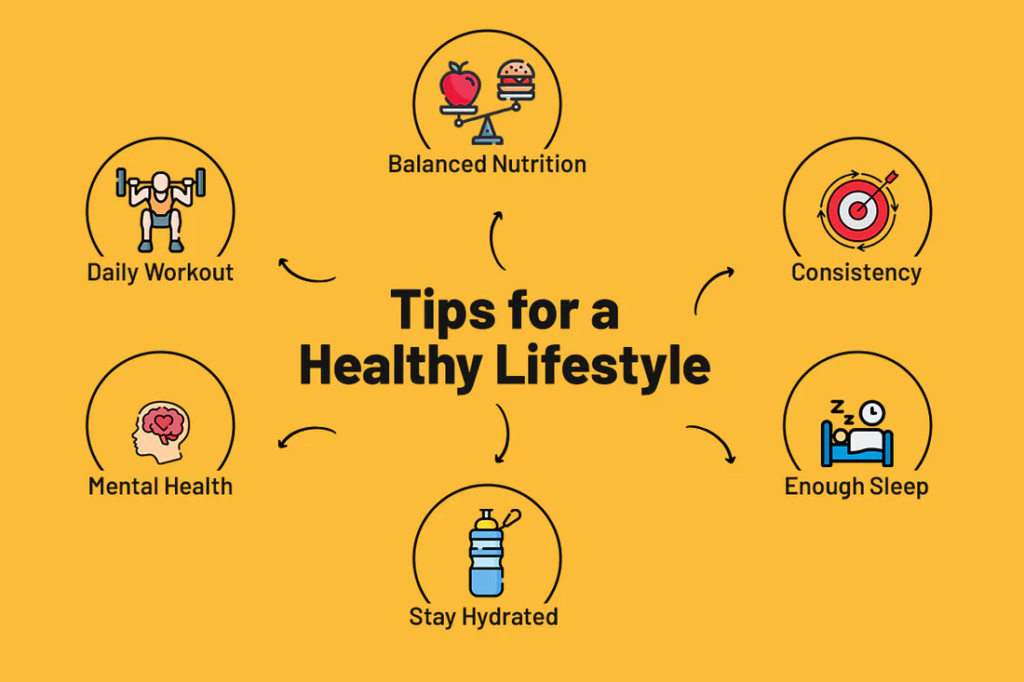
Health and wellness are no longer just about avoiding illness or eating healthy food occasionally. They have become a complete approach to living that includes physical health, mental clarity, emotional balance, and daily habits. In today’s fast-paced world, maintaining balance can feel challenging, but it is possible with the right strategies.
A balanced lifestyle does not mean perfection. It means creating routines and habits that support your body and mind consistently. This guide explores practical health and wellness secrets that can help you improve your energy, reduce stress, and build a sustainable lifestyle that supports long-term well-being.
Understanding True Health and Wellness
Health and wellness are often misunderstood as only physical fitness or diet control. In reality, wellness is a combination of several elements working together. Physical health, mental health, emotional stability, sleep quality, nutrition, and daily activity all contribute to overall wellness.
True wellness is achieved when your body feels energetic, your mind feels clear, and your emotions are stable. It is about harmony rather than extremes. Many people focus only on one area, such as exercise or dieting, but neglect others like sleep or stress management. A balanced approach ensures that no part of your health is ignored.
Building a Strong Daily Routine
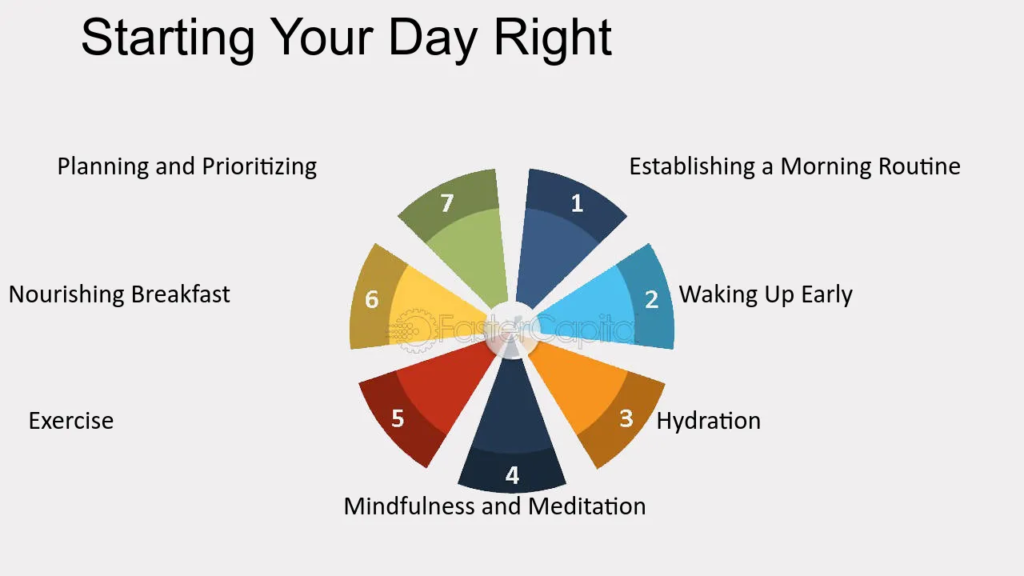
A well-structured daily routine is one of the most powerful health secrets. Your habits shape your health more than occasional efforts. Waking up and sleeping at consistent times helps regulate your internal body clock, improving energy and focus.
Start your day with simple, positive actions such as drinking water, stretching, or taking a short walk. These small habits signal your body to wake up naturally and prepare for the day ahead. A consistent routine also reduces stress because your body knows what to expect.
Avoid chaotic schedules that constantly change, as they can disrupt your mental and physical balance over time.
The Importance of Balanced Nutrition
Nutrition plays a central role in health and wellness. What you eat directly affects your energy levels, mood, and long-term health. A balanced diet includes carbohydrates, proteins, healthy fats, vitamins, and minerals.
Instead of following extreme diets, focus on whole and natural foods. Fresh fruits, vegetables, whole grains, nuts, and lean proteins provide the body with essential nutrients. Processed foods, excessive sugar, and unhealthy fats should be limited.
Hydration is equally important. Drinking enough water throughout the day supports digestion, skin health, and brain function. Many people underestimate the impact of proper hydration on overall wellness.
Physical Activity for Long-Term Health
Regular physical activity is essential for maintaining a healthy lifestyle. Exercise improves cardiovascular health, strengthens muscles, and boosts mental well-being. It does not always require intense workouts; even moderate activities like walking, cycling, or yoga can be highly effective.
The key is consistency. Engaging in physical activity for at least 30 minutes a day can significantly improve energy levels and reduce the risk of chronic diseases. Exercise also releases endorphins, which naturally improve mood and reduce stress.
Choose activities that you enjoy, as this increases the likelihood of maintaining them long term.
Mental Health and Emotional Balance

Mental and emotional health are just as important as physical health. Stress, anxiety, and negative thinking can affect your body in many ways. Managing your mental well-being is essential for a balanced lifestyle.
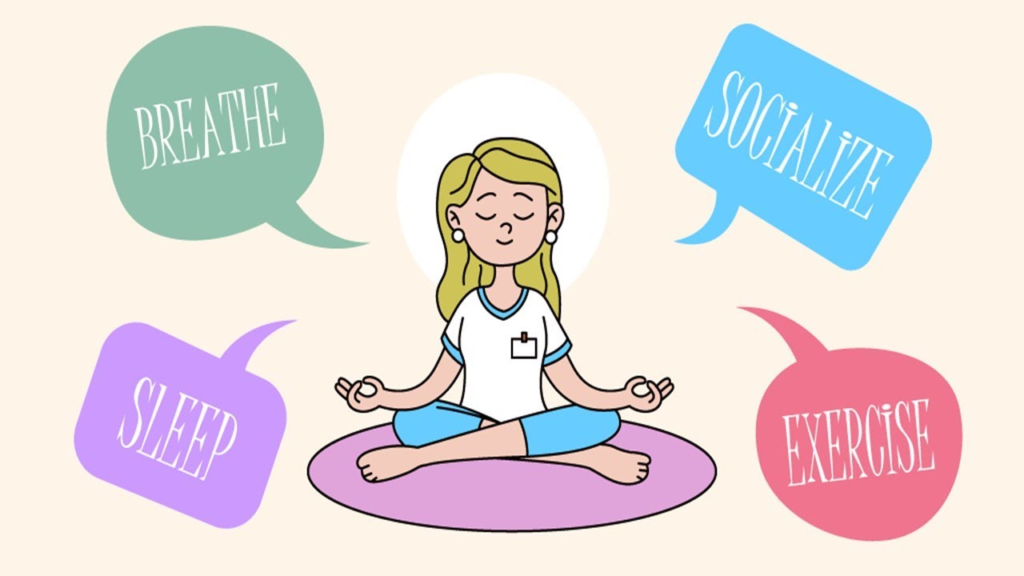
Practices such as mindfulness, meditation, and deep breathing can help calm the mind. Taking time each day to disconnect from digital distractions also improves mental clarity. Journaling thoughts and emotions can help process stress and improve self-awareness.
Building positive relationships and surrounding yourself with supportive people also plays a key role in emotional health.
The Role of Quality Sleep
Sleep is often overlooked but is one of the most critical elements of wellness. Poor sleep affects concentration, mood, immunity, and overall health. Adults generally need 7 to 9 hours of quality sleep each night.
Creating a sleep-friendly environment is important. Keeping your room dark, quiet, and cool helps improve sleep quality. Avoiding screens before bedtime reduces mental stimulation and allows the brain to relax.
A consistent sleep schedule helps regulate your body’s natural rhythm, making it easier to wake up refreshed and energized.
Managing Stress Effectively
Stress is a part of life, but unmanaged stress can harm both physical and mental health. Learning to manage stress effectively is essential for long-term wellness.
Simple practices such as taking short breaks, engaging in hobbies, and spending time in nature can reduce stress levels. Time management also plays a key role. When tasks are organized, there is less mental pressure and confusion.
It is also important to recognize when to rest. Overworking the body and mind leads to burnout, which negatively affects productivity and health.
Building Healthy Habits Gradually
One of the biggest mistakes people make is trying to change everything at once. Sustainable wellness comes from gradual improvements. Small changes, when repeated consistently, create long-lasting results.
For example, instead of completely changing your diet overnight, start by adding more vegetables or reducing sugary drinks. Similarly, instead of starting an intense workout routine, begin with short daily walks.
Consistency is more important than intensity when it comes to building healthy habits.
The Power of Hydration and Detoxification
Water plays a vital role in flushing toxins from the body and maintaining internal balance. Proper hydration supports digestion, skin health, and organ function.
Detoxification is a natural process carried out by the body, but it can be supported through healthy habits such as drinking enough water, eating fiber-rich foods, and reducing processed food intake.
Herbal teas and natural drinks can also support digestion and hydration, contributing to overall wellness.
Digital Wellness and Screen Time Control
In the modern world, digital devices are a major part of daily life. However, excessive screen time can negatively impact mental health, sleep, and focus. Practicing digital wellness is becoming increasingly important.
Setting limits on screen usage, especially before bedtime, helps improve sleep quality. Taking breaks from social media reduces mental overload and comparison stress.
Spending time in offline activities such as reading, walking, or interacting with people face-to-face improves emotional balance and reduces dependency on digital devices.
Preventive Health and Regular Checkups
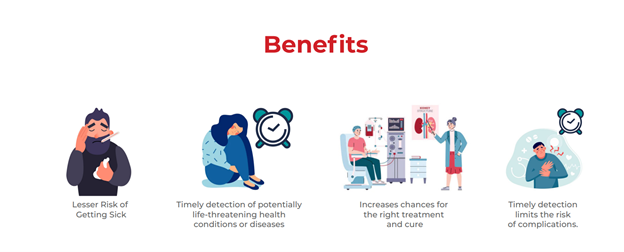
Preventive healthcare is an important part of maintaining long-term wellness. Regular health checkups help identify potential issues early, making them easier to manage.
Monitoring blood pressure, cholesterol levels, and other basic health indicators can provide valuable insights into your overall condition. Preventive care also includes vaccinations, dental checkups, and routine medical consultations.
Taking care of health proactively is always better than treating problems after they arise.
Creating a Balanced Lifestyle
A balanced lifestyle is achieved when all aspects of health work together harmoniously. This includes physical activity, nutrition, sleep, mental health, and stress management.
Balance does not mean strict control. It means flexibility and awareness. There will be days when routines are not perfect, and that is normal. What matters is consistency over time.
A balanced lifestyle allows you to enjoy life while still taking care of your health.
Conclusion
Health and wellness are lifelong journeys that require awareness, consistency, and commitment. There is no single secret or shortcut to achieving a balanced lifestyle. Instead, it is the combination of small, meaningful habits that create lasting results.
By focusing on nutrition, exercise, sleep, mental health, and stress management, you can build a lifestyle that supports both body and mind. The goal is not perfection but progress.
When you take control of your daily habits and make intentional choices, you naturally move toward a healthier, more balanced, and more fulfilling life.

Best Terrace Gardening Ideas for a Green and Beautiful Home
A Terrace Gardening can look completely different once you start keeping plants there. Earlier, I…

Best Small House Elevation Ideas: Simple and Modern Designs
When someone starts planning a new house, the first things that usually come to mind…
Emotional Boundaries: How to Set Healthy Limits in Relationships
I used to think that being a good person meant being available whenever someone needed…

Popular Indian Fast Food: Delicious Snacks You’ll Love
There are days when you leave home thinking you are not hungry at all, and…

Daily Hydration Tips for Better Health and Energy
We’ve all hit that wall around 3:00 PM. You are staring at your screen, reading…

Best Bedroom Ideas for a Cozy and Beautiful Home
A bedroom should feel comfortable before it feels stylish. You can have beautiful furniture and…
F&Q
Q1: What is true health and wellness?
A balance of physical, mental, and emotional health.
Q2: How can I start a healthy lifestyle?
Begin with small daily habits like good food and sleep.
Q3: Why is sleep important for wellness?
It restores energy and improves overall health.
Q4: How do I manage stress daily?
Use mindfulness, exercise, and proper time management.
Q5: What is the key to balanced living?
Consistency in healthy habits.