
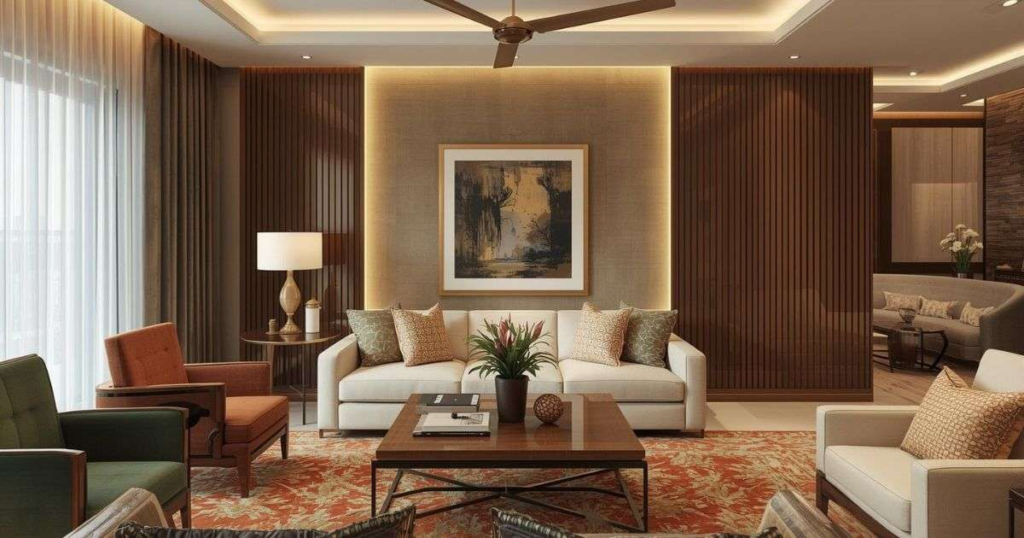
A home is more than just a place to live. It is where you rest, work, spend time with family, and recharge your energy after a long day. A well-designed home is not only beautiful but also practical, making everyday life easier and more enjoyable. In 2026, home design is shifting toward comfort, simplicity, and functionality rather than unnecessary decoration or overcrowded spaces.
Creating a comfortable and functional home does not require a large budget or professional interior design skills. It is about making thoughtful choices that improve how you use your space. From furniture selection to lighting, storage, and layout, every detail plays a role in shaping your living environment.
This guide explains how to design a home that feels comfortable, organized, and functional while still reflecting your personal style.
Understanding Comfort and Functionality in a Home
Comfort in a home means feeling relaxed, peaceful, and emotionally at ease in your surroundings. It includes physical comfort such as seating, temperature, and lighting, as well as emotional comfort created by a clean, calm, and organized space.
Functionality, on the other hand, refers to how practical and efficient your home is. A functional home allows you to move easily, find things quickly, and complete daily tasks without stress or confusion.
A truly good home balances both comfort and functionality. A beautiful space that is difficult to live in is not useful, and a highly functional space that feels cold or uninviting is not ideal either.
The goal is to create a home that supports your lifestyle in a natural and effortless way.
Start with a Clear and Simple Layout
The foundation of a functional home begins with layout. How furniture and objects are arranged has a major impact on movement and usability.
A cluttered or overcrowded room can make even a large space feel small and uncomfortable. On the other hand, a well-planned layout creates openness and flow.
Start by identifying how each room is used. For example, a living room should encourage relaxation and conversation, while a kitchen should allow easy cooking and movement. Avoid placing unnecessary furniture that blocks pathways or reduces usable space.
Keeping pathways clear and ensuring easy access to frequently used areas improves both comfort and efficiency.
Choose the Right Furniture
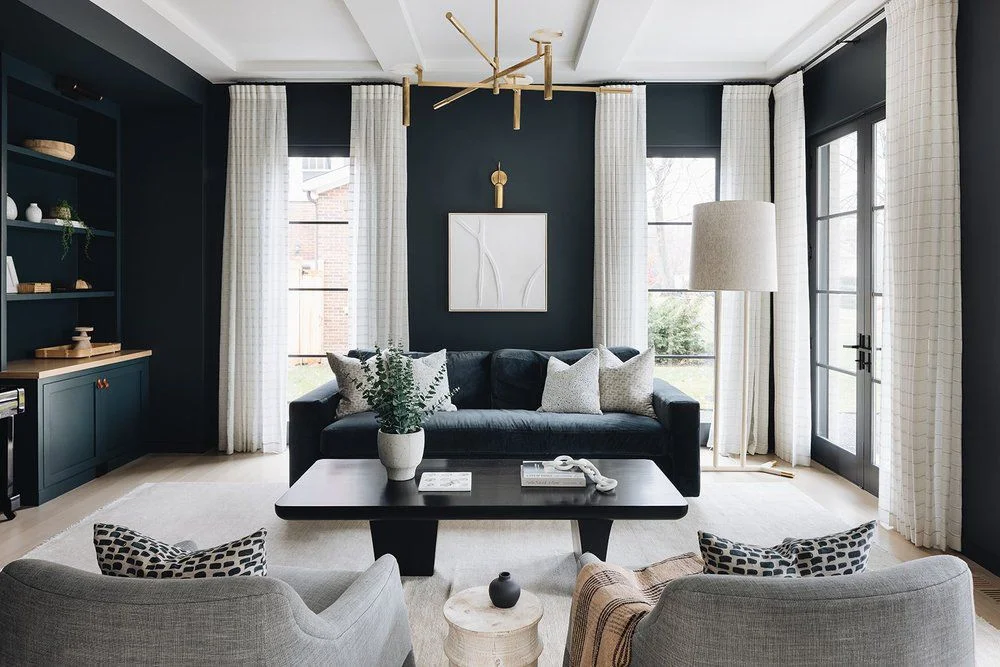
Furniture plays a central role in home comfort. The right pieces should be both functional and comfortable to use daily.
When selecting furniture, focus on quality rather than quantity. A few well-chosen items are better than many unnecessary pieces that take up space.
Comfortable seating, supportive beds, and functional storage units are essential. Multi-purpose furniture is especially useful in modern homes. For example, a sofa that converts into a bed or a table with storage drawers can save space and improve functionality.
It is also important to consider size. Oversized furniture in small rooms can make the space feel cramped, while small furniture in large rooms may feel incomplete.
Lighting Makes a Big Difference

Lighting is one of the most important yet often overlooked aspects of home design. It affects mood, productivity, and overall comfort.
Natural light should be maximized whenever possible. Large windows, light curtains, and open spaces help bring sunlight into the home, creating a warm and refreshing atmosphere.
For artificial lighting, use a combination of different light sources. Ambient lighting provides overall brightness, task lighting is used for specific activities like reading or cooking, and accent lighting highlights design features.
Soft, warm lighting is generally more comfortable for living spaces, while brighter lighting is better for work areas.
Good lighting not only improves visibility but also enhances the emotional feeling of a home
Smart Storage Solutions for a Clutter-Free Home
Clutter is one of the biggest barriers to a comfortable home. A messy environment can create stress and reduce productivity.
Smart storage solutions help keep things organized and easy to access. Every item in the home should have a designated place.
Use storage furniture such as cabinets, shelves, drawers, and under-bed storage to reduce visible clutter. Vertical space is often underused, so wall-mounted shelves can be very effective.
Regular decluttering is also important. Keeping only what is necessary or meaningful helps maintain a clean and organized environment.
A clutter-free home feels more spacious, calm, and functional.
Color Choices and Interior Atmosphere
Colors have a strong impact on mood and perception. The right color scheme can make a home feel more comfortable and inviting.
Neutral colors such as white, beige, grey, and soft pastels create a calm and balanced environment. These colors also make spaces appear larger and brighter.
Adding small accents of color through cushions, artwork, or decor items can bring personality to a room without overwhelming it.
It is important to maintain consistency in color themes across different rooms to create harmony throughout the home.
Creating Comfortable Living Spaces
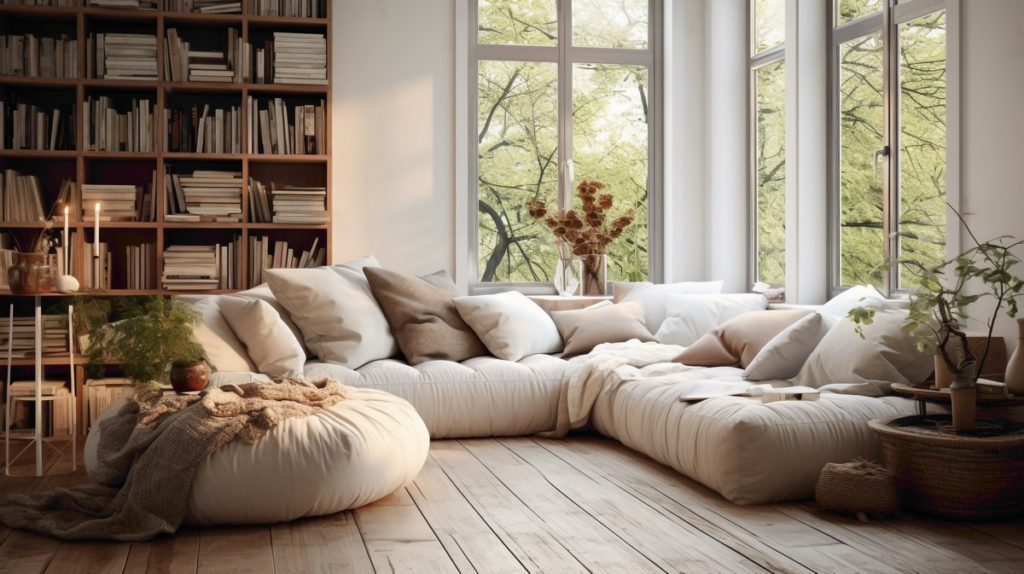
Comfort is deeply connected to how a space feels when you use it daily. Living rooms, bedrooms, and relaxation areas should be designed with comfort as the top priority.
Soft textures such as cushions, rugs, and curtains can make spaces feel warmer and more inviting. Comfortable seating arrangements encourage relaxation and social interaction.
Temperature control also plays an important role. Proper ventilation, fans, or air conditioning systems help maintain a comfortable indoor environment.
A comfortable home is one where you can relax without feeling physically or mentally stressed.
Kitchen Design for Practical Living
The kitchen is one of the most functional areas of a home. A well-organized kitchen makes cooking easier and more enjoyable.
The layout should support easy movement between cooking, cleaning, and storage areas. Frequently used items should be kept within easy reach.
Clear countertops improve efficiency and reduce frustration during cooking. Organized cabinets and labeled storage help save time and effort.
A functional kitchen not only improves daily routines but also enhances overall home efficiency.
Bedroom as a Restful Space
The bedroom is the most personal space in a home. It should be designed to promote rest, relaxation, and quality sleep.
A comfortable bed with good bedding is essential. The mattress should support proper posture and sleep quality.
Lighting in the bedroom should be soft and calming. Avoid bright or harsh lights before bedtime.
Keeping the bedroom clean, organized, and free from distractions improves sleep quality and mental relaxation.
A well-designed bedroom directly contributes to better physical and emotional health.
Incorporating Nature into Your Home
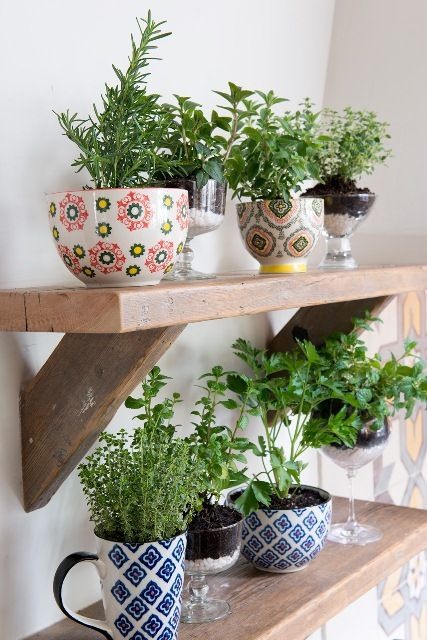
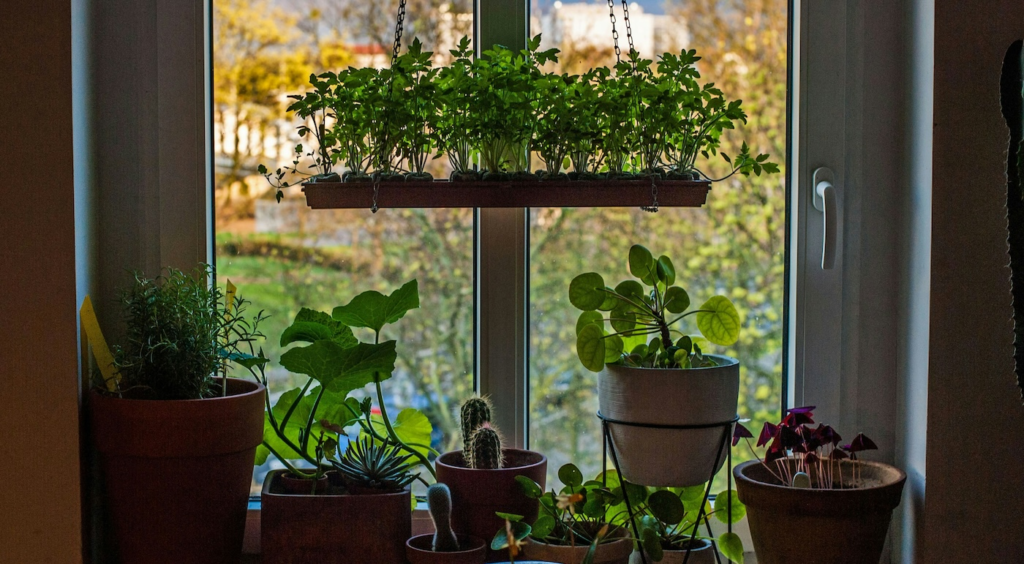
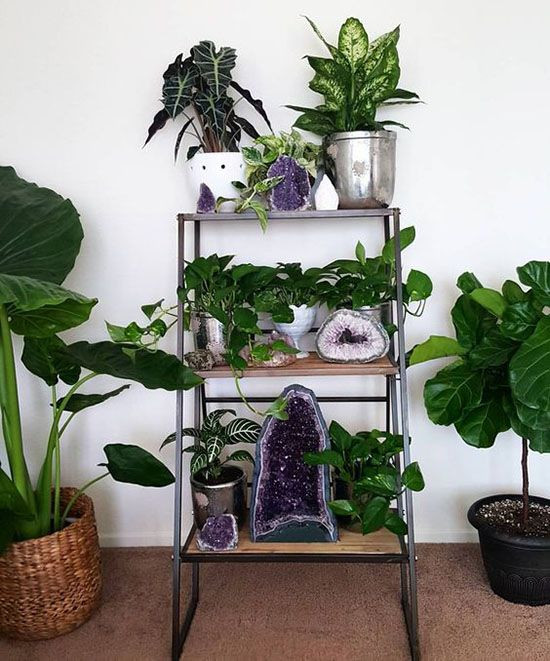
Bringing natural elements into your home can significantly improve comfort and well-being. Indoor plants, natural light, and organic materials create a refreshing environment.
Plants improve air quality and add a sense of calmness to living spaces. Wooden furniture and natural textures also help create a warm and peaceful atmosphere.
Even small touches of nature can make a home feel more alive and balanced.
Technology for a Smarter Home
Modern homes are increasingly using technology to improve functionality. Smart devices help automate daily tasks and improve convenience.
Smart lighting, thermostats, security systems, and voice assistants make home management easier and more efficient.
Technology should enhance comfort, not complicate it. Choosing simple and user-friendly systems is important for maintaining ease of use.
A smart home is one that supports your lifestyle without creating unnecessary complexity.
Personal Touch and Emotional Connection
A comfortable home should reflect your personality. Personal items such as photographs, artwork, and meaningful decor help create emotional connection with the space.
However, it is important to maintain balance. Too many decorative items can create clutter, while too few can make a space feel impersonal.
A well-balanced home combines functionality with personal expression.
Conclusion
Creating a comfortable and functional home is about thoughtful planning and simple design choices. It is not about luxury or expensive decor but about improving everyday living.
A good home supports your lifestyle, reduces stress, and makes daily activities easier. From layout and furniture to lighting, storage, and color choices, every detail contributes to overall comfort and efficiency.
In the end, the best homes are those that feel natural to live in. They are organized, peaceful, and designed with purpose. By focusing on both comfort and functionality, anyone can create a home that truly feels like a place of rest, balance, and happiness.
F&Q
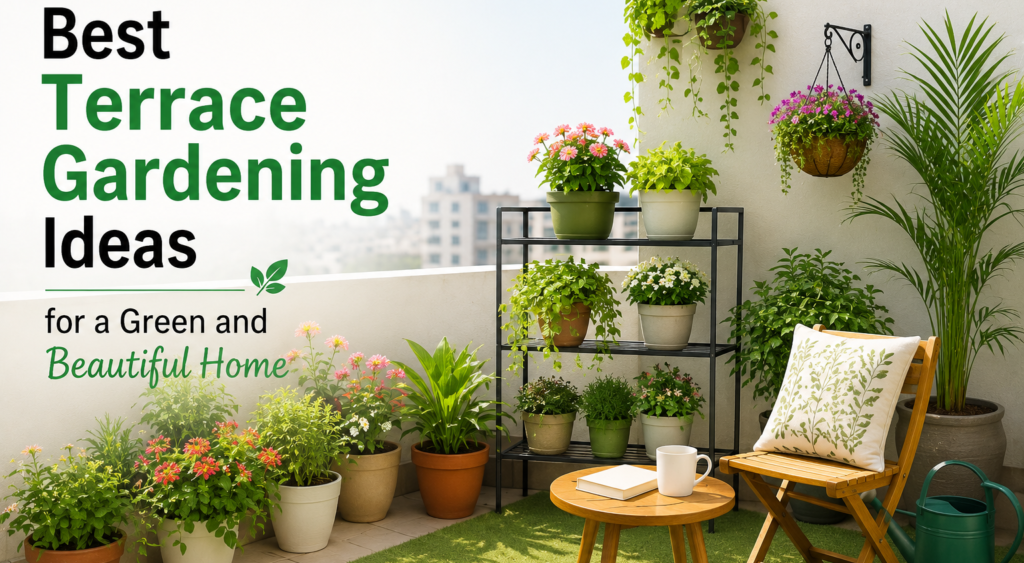
Best Terrace Gardening Ideas for a Green and Beautiful Home
A Terrace Gardening can look completely different once you start keeping plants there. Earlier, I…
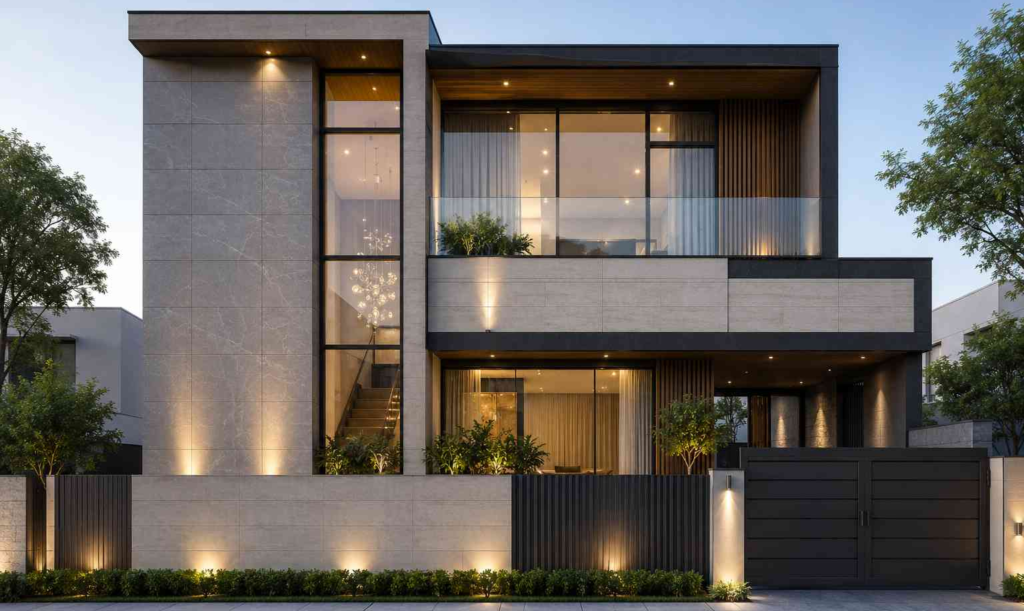
Best Small House Elevation Ideas: Simple and Modern Designs
When someone starts planning a new house, the first things that usually come to mind…

Emotional Boundaries: How to Set Healthy Limits in Relationships
I used to think that being a good person meant being available whenever someone needed…

Popular Indian Fast Food: Delicious Snacks You’ll Love
There are days when you leave home thinking you are not hungry at all, and…

Daily Hydration Tips for Better Health and Energy
We’ve all hit that wall around 3:00 PM. You are staring at your screen, reading…
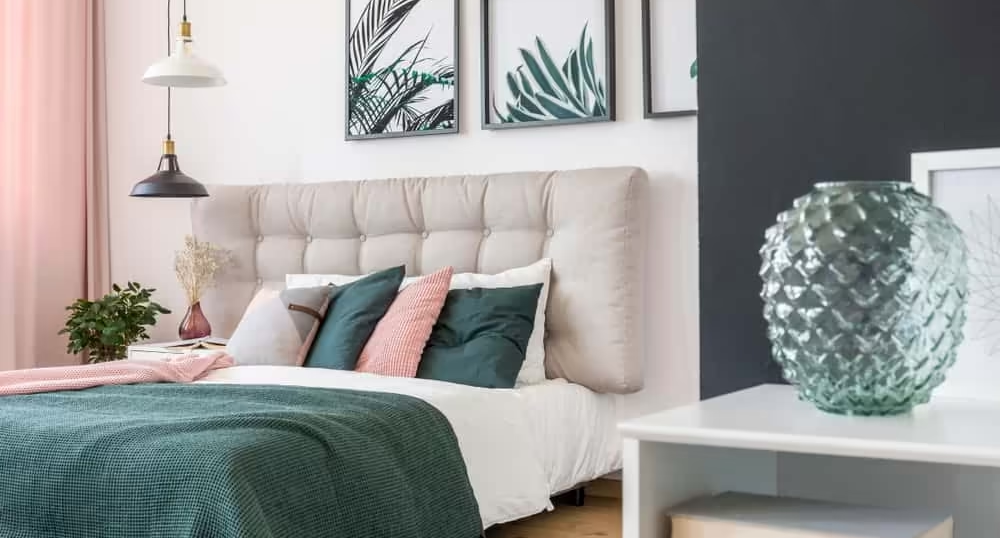
Best Bedroom Ideas for a Cozy and Beautiful Home
A bedroom should feel comfortable before it feels stylish. You can have beautiful furniture and…