
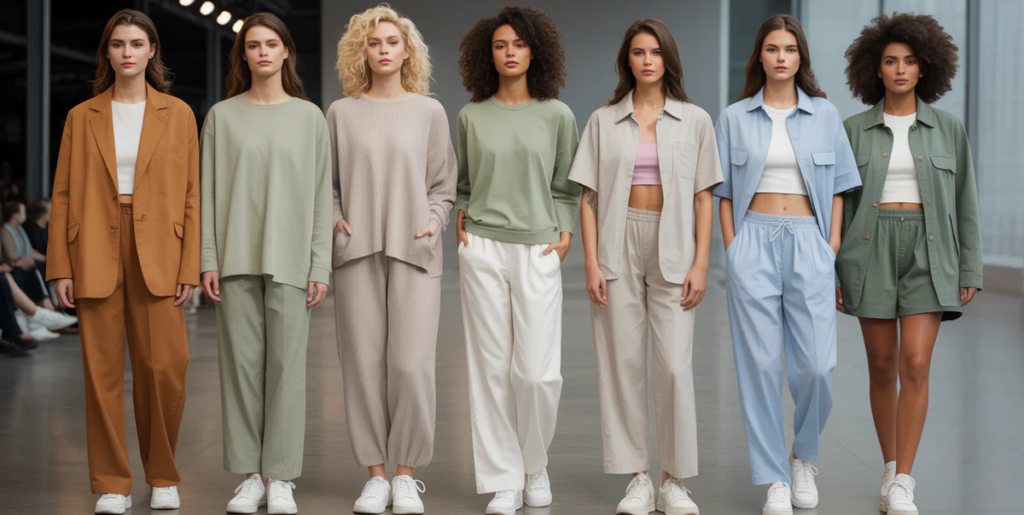
Here’s your paragraph with the focus keyword “Fashion & Style Now Focus” added naturally for SEO while keeping it human-readable:
Fashion has changed in a remarkable way over the past decade. There was a time when style was mostly about appearance. People often wore clothes that looked trendy, even when those outfits were uncomfortable, restrictive, or impractical for daily life. Tight jeans, heavy shoes, stiff jackets, and fabrics with little flexibility were commonly accepted as part of looking fashionable. Today, things are different, as Fashion & Style Now Focus more on comfort, flexibility, and everyday performance. The modern consumer wants more from clothing than just a good appearance.
Now, fashion and style are strongly connected to comfort and performance. People want outfits that look attractive while also supporting movement, flexibility, and daily activities. Clothing is no longer judged only by color, design, or brand appeal. It is also judged by how it feels, how it performs, and how easily it fits into real life.
The Shift from Looks to Lifestyle
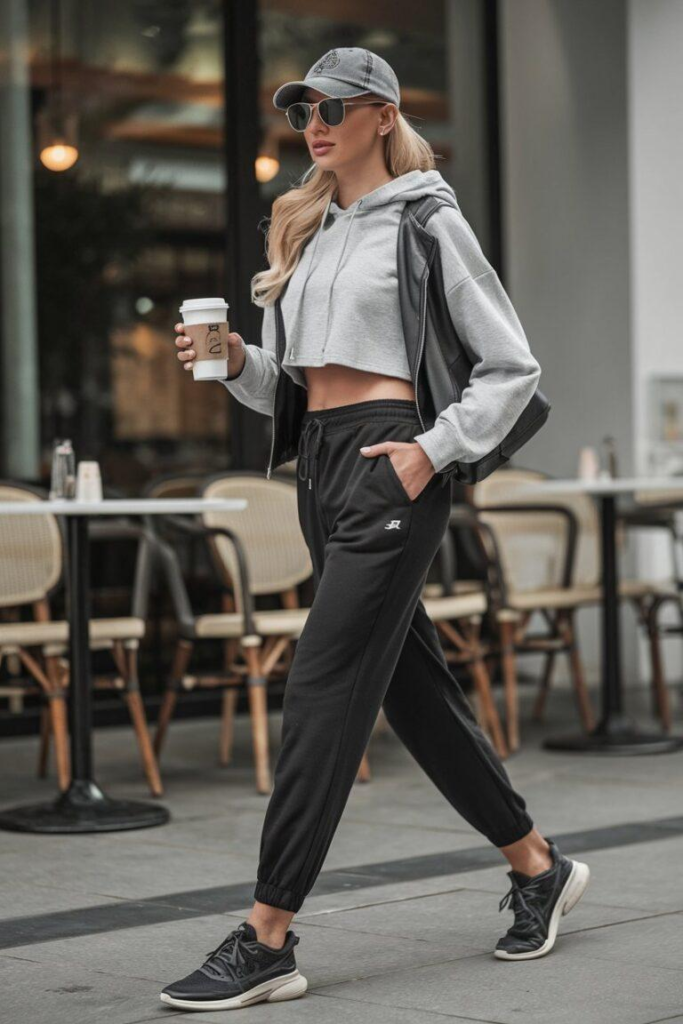
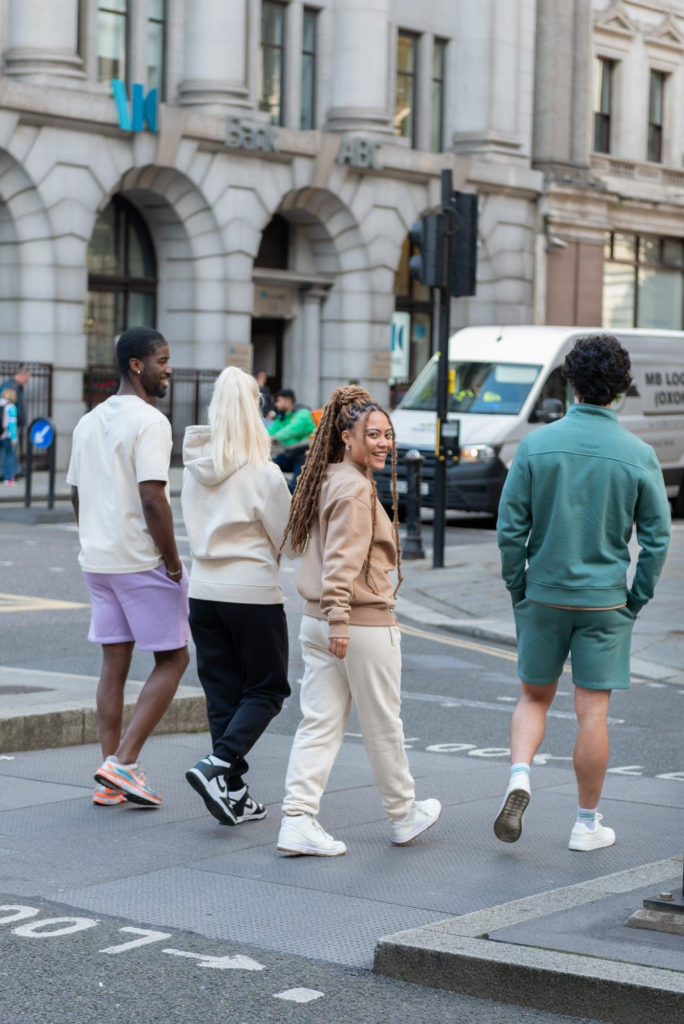
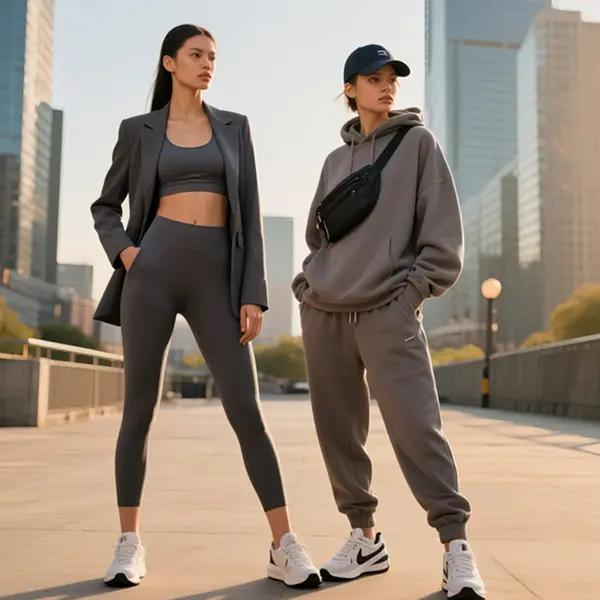
The biggest reason behind this change is lifestyle. Modern life moves quickly. People are constantly switching between activities throughout the day. Someone may begin the morning with exercise, spend the afternoon working, go shopping in the evening, and meet friends at night. In this type of schedule, changing clothes multiple times a day feels unnecessary and inconvenient.
Because of this, people prefer versatile clothing that works in different situations. They want outfits that feel light, breathable, and comfortable from morning to night. Modern fashion now responds to real-life needs instead of focusing only on visual trends.
This shift has changed how designers think. Instead of creating clothes only for style, they now create pieces that combine appearance with function. Every detail matters, from fabric softness to how well clothing supports movement.
Why Comfort Matters More Than Ever
Comfort is no longer seen as a luxury. It has become an expectation. People understand that what they wear affects how they feel throughout the day. Uncomfortable clothing can create distraction, irritation, and even fatigue. Tight fits may restrict movement, while heavy shoes can cause physical discomfort after long hours.
Comfortable clothing improves daily experience in subtle but important ways. When fabric feels soft and breathable, people move more naturally. When shoes provide cushioning and support, walking feels easier. These small improvements can boost energy and confidence.
The growing focus on wellness has also influenced this trend. People are paying closer attention to physical and mental well-being. Wellness is not only about eating healthy or exercising regularly. It also includes creating a comfortable daily lifestyle.
Fashion now plays a major role in that lifestyle. Clothing that reduces discomfort helps people feel more relaxed and productive. This explains why comfort has become central to modern style.
The Rise of Performance-Based Fashion
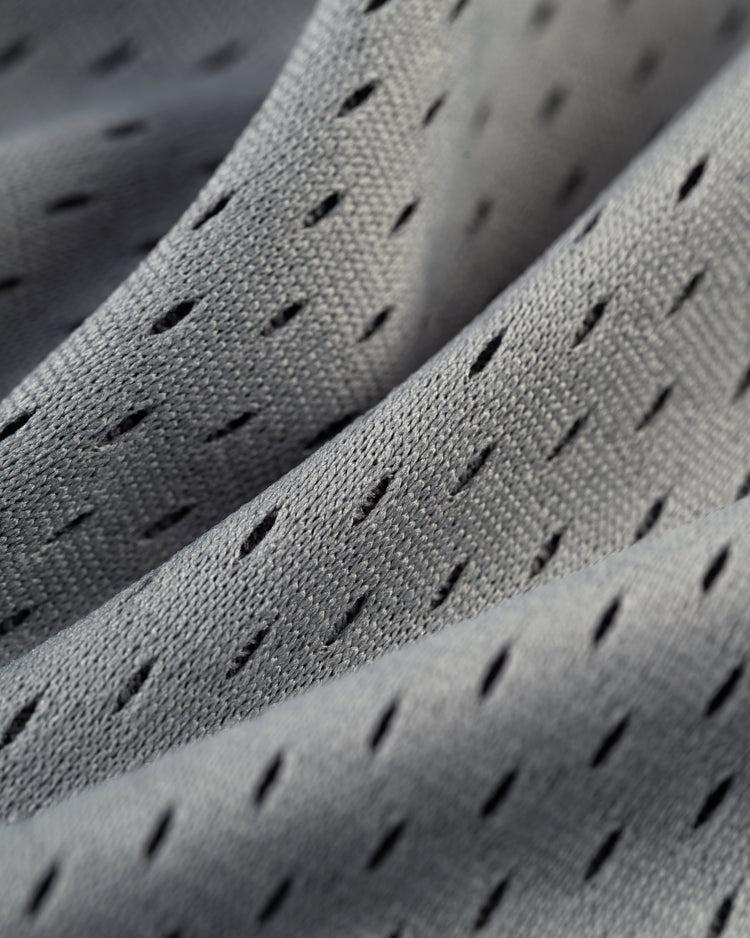
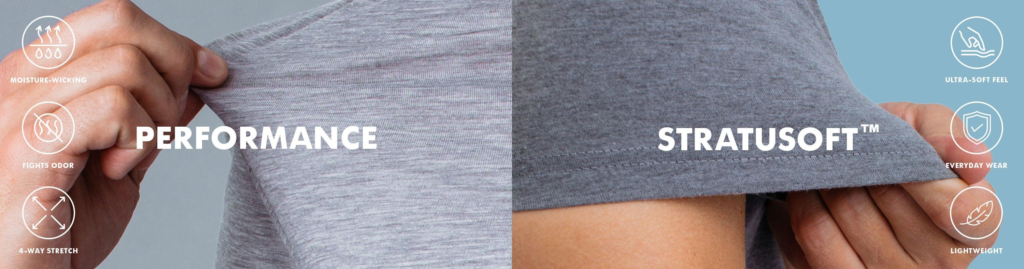
Performance used to be associated mostly with sportswear. Athletic clothing was designed for specific purposes such as speed, flexibility, and endurance. Features like moisture-wicking fabrics, lightweight materials, and stretch construction were mainly used in sports.
Over time, people realized these features are valuable outside sports as well.
Breathable materials help during warm weather. Flexible fabrics improve comfort during long working hours. Lightweight shoes reduce stress on the body. Performance-based design makes everyday life easier.
This realization changed the fashion industry. Functional features that were once limited to athletic wear became part of mainstream style. Consumers now expect clothing to perform well under real-world conditions.
Performance no longer means only running faster or training harder. It also means staying comfortable during long commutes, busy workdays, travel, and social activities.
Athleisure Changed Everything
One of the biggest fashion movements in recent years has been athleisure. This style blends athletic function with casual fashion. It became popular because it solved a major problem: people no longer wanted to choose between looking stylish and feeling comfortable.
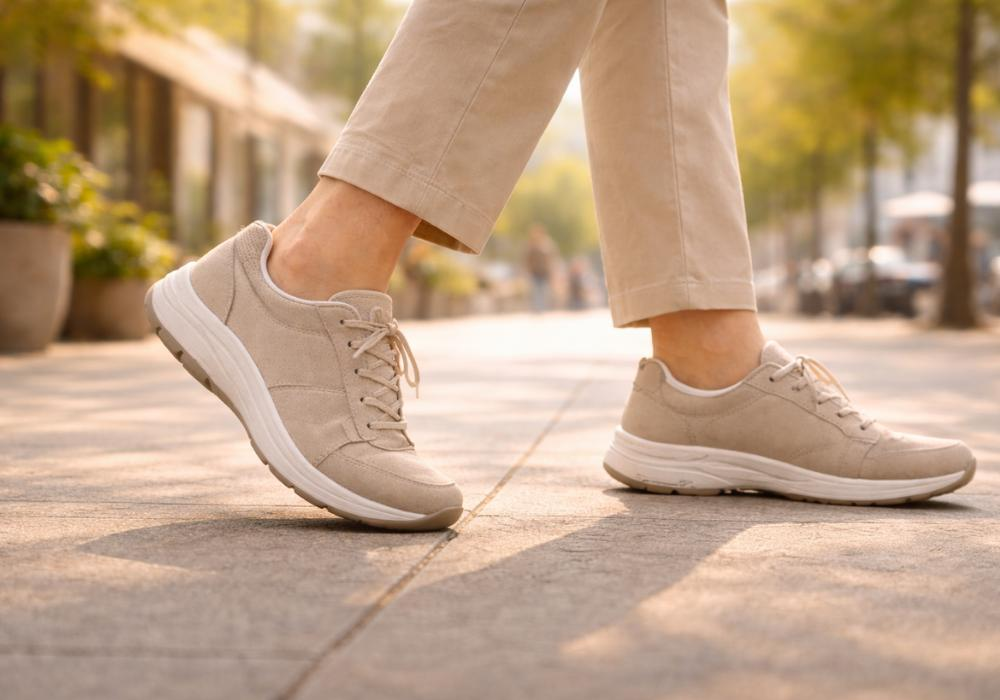
Athleisure introduced a new standard in everyday wear. Joggers became fashionable. Performance jackets became streetwear essentials. Sneakers became acceptable in settings where formal shoes were once expected.
This shift completely changed consumer expectations.
Today, many wardrobes include clothing that works for exercise, casual outings, and even semi-professional environments. That versatility gives people more value from each purchase.
Athleisure also reflects a broader cultural change. Modern consumers value practicality. They want clothing that supports active lifestyles without sacrificing personal style.
Technology Is Transforming Fabric and Footwear
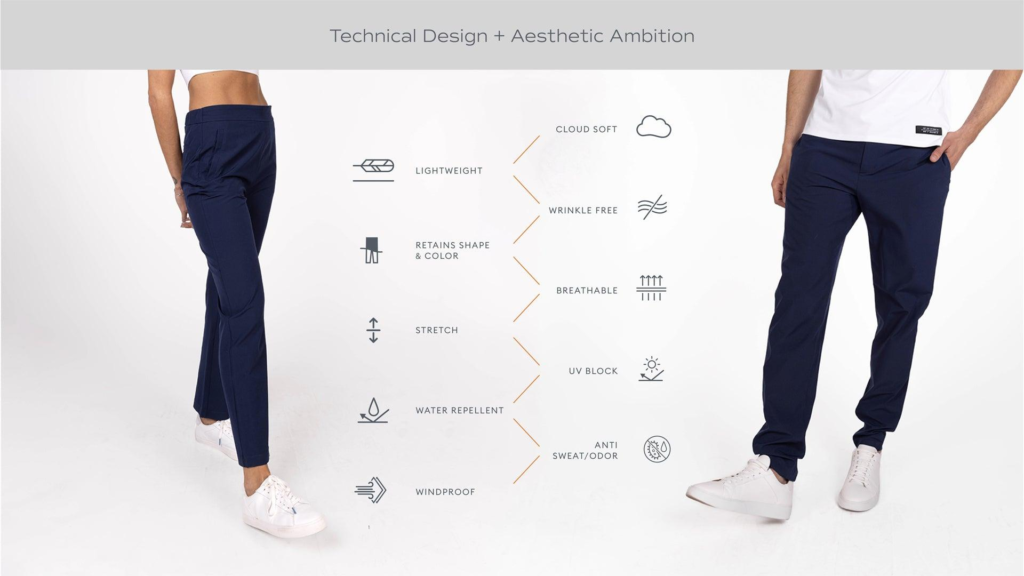
Technology has pushed fashion far beyond traditional design. Modern textiles are smarter and more advanced than ever before. Fabrics today can do much more than simply cover the body.
Some materials help regulate temperature. Others manage sweat or improve airflow. Some fabrics stretch naturally while maintaining shape. These innovations improve both comfort and performance.
Footwear has evolved significantly as well.
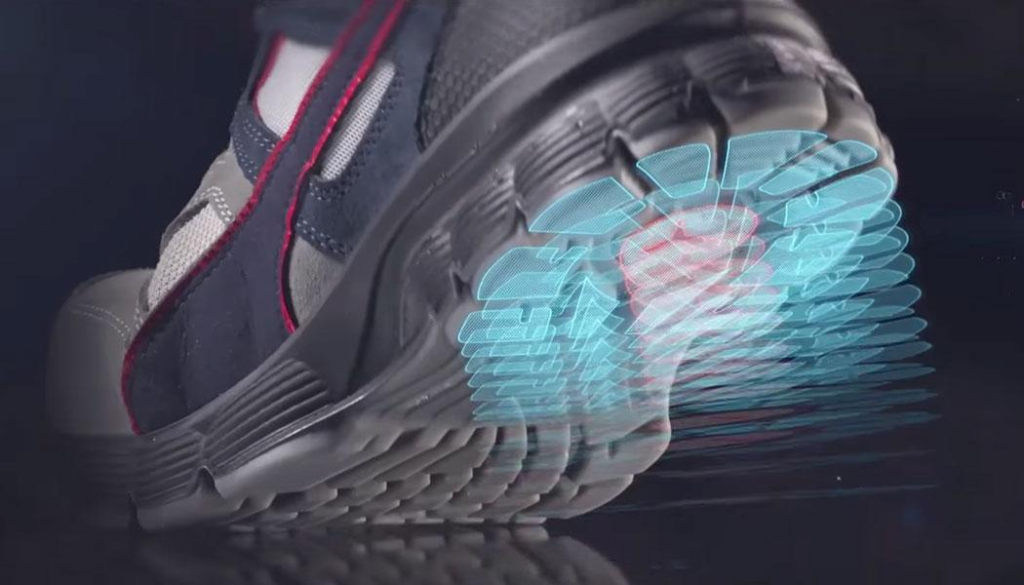
People now understand how important shoe support is for overall health. Good cushioning helps reduce pressure on joints and muscles. Proper support improves posture and reduces fatigue during long periods of standing or walking.
This is why consumers now pay attention to features like sole cushioning, grip, flexibility, and responsiveness.
Fashion has become more technical, but in a way that directly benefits everyday users.
Remote Work Changed Fashion Habits
The rise of remote and hybrid work accelerated the demand for comfort-focused style. During the work-from-home era, many people moved away from rigid formalwear and discovered the value of relaxed clothing.
Once people experienced comfortable daily wear, many did not want to return to uncomfortable routines.
Even as offices reopened, workplace fashion changed. Traditional formalwear became less dominant in many industries. Instead, polished yet comfortable clothing became more acceptable.
Modern professionals now prefer pieces that look clean and sharp while still feeling relaxed. This includes stretch-based trousers, lightweight jackets, comfortable sneakers, and flexible materials.
The idea of “professional” style has evolved.
Social Media and Everyday Style Influence
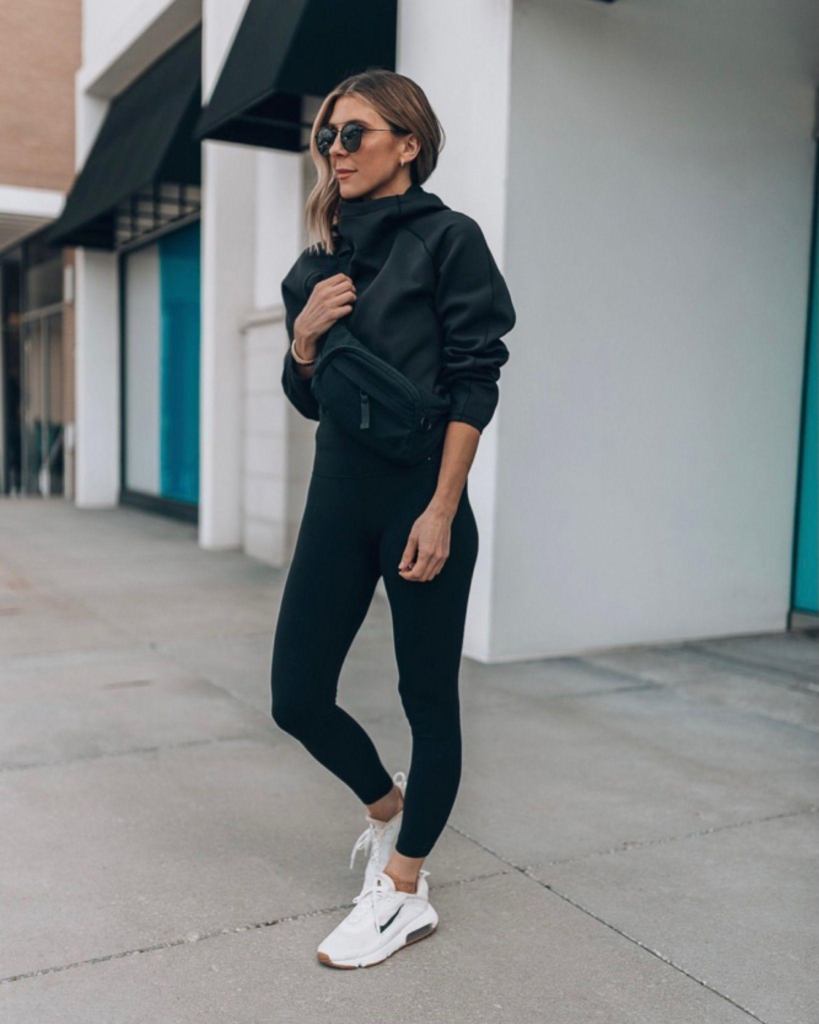

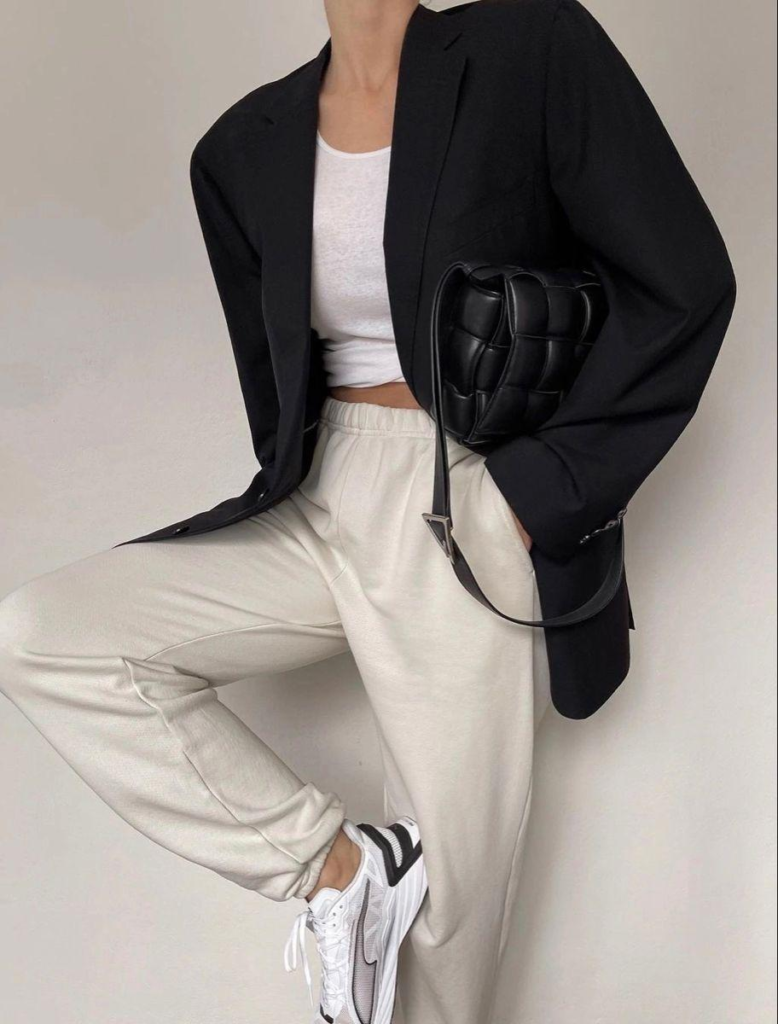
Social media has accelerated fashion trends at an incredible speed. Every day, millions of people see influencers, creators, athletes, and fashion enthusiasts sharing their outfits online.
One major pattern stands out: stylish clothing today often looks effortless.
The most admired outfits are often practical, wearable, and comfortable. Instead of overly complicated styling, many people now prefer clean, functional looks that feel authentic.
This has changed consumer behavior.
People are less interested in clothing that looks good only in photos. They want outfits that look good in real life and feel comfortable all day.
Sustainability Encourages Better Choices
Another reason comfort and performance matter more is sustainability. Consumers are becoming more mindful about purchasing decisions. Instead of buying many low-quality items, people increasingly prefer fewer high-quality pieces.
They want clothing that lasts longer and serves multiple purposes.
A well-made jacket that works for travel, daily wear, and light activity offers greater value than several separate garments. The same applies to versatile shoes and durable apparel.
This mindset supports smarter spending and reduces waste.
Durable, performance-focused fashion naturally aligns with sustainability because better materials usually last longer.
The Future of Fashion and Style
Fashion will continue evolving, but one thing is clear: comfort and performance are here to stay.
Future clothing will likely become even smarter. We may see more adaptive fabrics, sustainable innovations, and advanced design technologies that improve everyday wear.
Consumers will continue demanding products that look stylish while supporting real-life movement and comfort.
The definition of style has changed.
Style is no longer just about appearance. True style now includes how clothing feels, how it performs, and how well it fits modern life.
That is why fashion and style now focus on comfort and performance. People want more than beautiful designs. They want clothing that works with them throughout the day.
In today’s world, the best fashion is not just seen. It is felt.
FAQ’s
Best Terrace Gardening Ideas for a Green and Beautiful Home
A Terrace Gardening can look completely different once you start keeping plants there. Earlier, I…

Best Small House Elevation Ideas: Simple and Modern Designs
When someone starts planning a new house, the first things that usually come to mind…

Emotional Boundaries: How to Set Healthy Limits in Relationships
I used to think that being a good person meant being available whenever someone needed…

Popular Indian Fast Food: Delicious Snacks You’ll Love
There are days when you leave home thinking you are not hungry at all, and…

Daily Hydration Tips for Better Health and Energy
We’ve all hit that wall around 3:00 PM. You are staring at your screen, reading…

Best Bedroom Ideas for a Cozy and Beautiful Home
A bedroom should feel comfortable before it feels stylish. You can have beautiful furniture and…