

Adventure travel continues to evolve as travelers look for experiences that go beyond traditional vacations. In 2026, people are no longer satisfied with simply visiting popular tourist destinations and taking photographs at famous landmarks. Modern travelers increasingly want meaningful experiences, physical activities, cultural immersion, and memorable journeys that create lasting stories.
Adventure travel has expanded beyond extreme sports and mountain climbing. Today, it includes everything from remote nature escapes and wildlife exploration to cultural experiences and slow travel. Technology, changing work habits, sustainability concerns, and shifting traveler preferences are influencing how people explore the world.
As travel becomes more accessible and flexible, adventure tourism is entering a new phase where personalization, authenticity, and unique experiences are becoming more important than ever.
This guide explores the major adventure travel trends shaping how people will explore more in 2026.
The Rise of Experience-Driven Travel
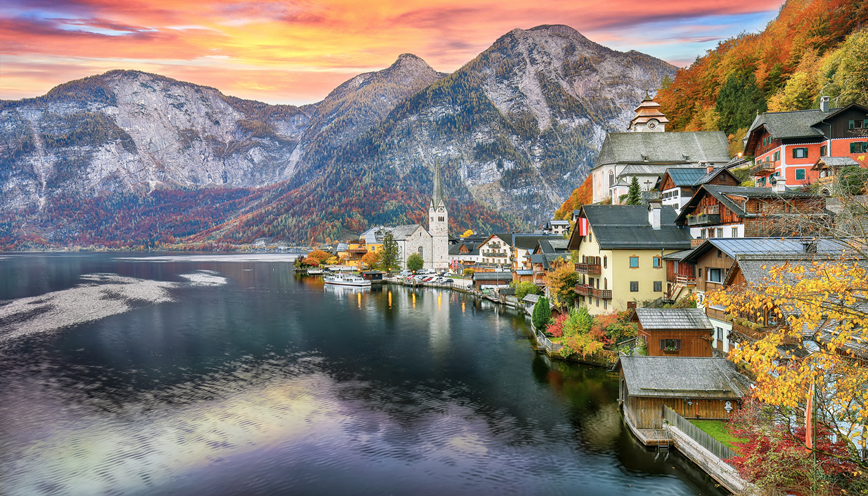
Travelers are increasingly prioritizing experiences over material purchases.
Many people now prefer spending money on memorable adventures rather than luxury products because experiences create stronger emotional value and long-term satisfaction.
Adventure travelers want activities that allow them to participate rather than simply observe. Activities such as hiking, wildlife exploration, local workshops, outdoor expeditions, and hands-on cultural experiences continue growing in popularity.
Travelers are focusing less on checking destinations off lists and more on creating meaningful memories.
This shift toward experience-driven travel is changing how destinations market themselves and how travelers plan their journeys.
Slow Travel Is Becoming More Popular
Fast-paced travel schedules filled with multiple destinations are gradually losing popularity.
Many travelers now prefer spending longer periods in fewer locations.
Slow travel allows people to understand local cultures more deeply, reduce travel stress, and create stronger connections with destinations.
Instead of visiting five cities in one week, travelers increasingly choose longer stays that allow more exploration and flexibility.
Slow adventure travel also encourages discovering hidden locations, local traditions, and lesser-known attractions.
This approach creates richer travel experiences while often reducing overall travel exhaustion.
Nature-Based Adventures Continue Growing
Outdoor experiences remain among the fastest-growing travel categories.
Many travelers increasingly seek natural environments as a way to disconnect from digital distractions and crowded urban spaces.
Activities such as hiking, camping, kayaking, mountain trekking, wildlife experiences, and nature retreats continue attracting large numbers of travelers.
Interest in remote destinations has also increased because people often associate nature experiences with relaxation, mental well-being, and personal growth.
Adventure travel in 2026 increasingly combines physical activity with opportunities to reconnect with natural environments.
Travelers are seeking journeys that provide both excitement and recovery.
Solo Adventure Travel Expansion
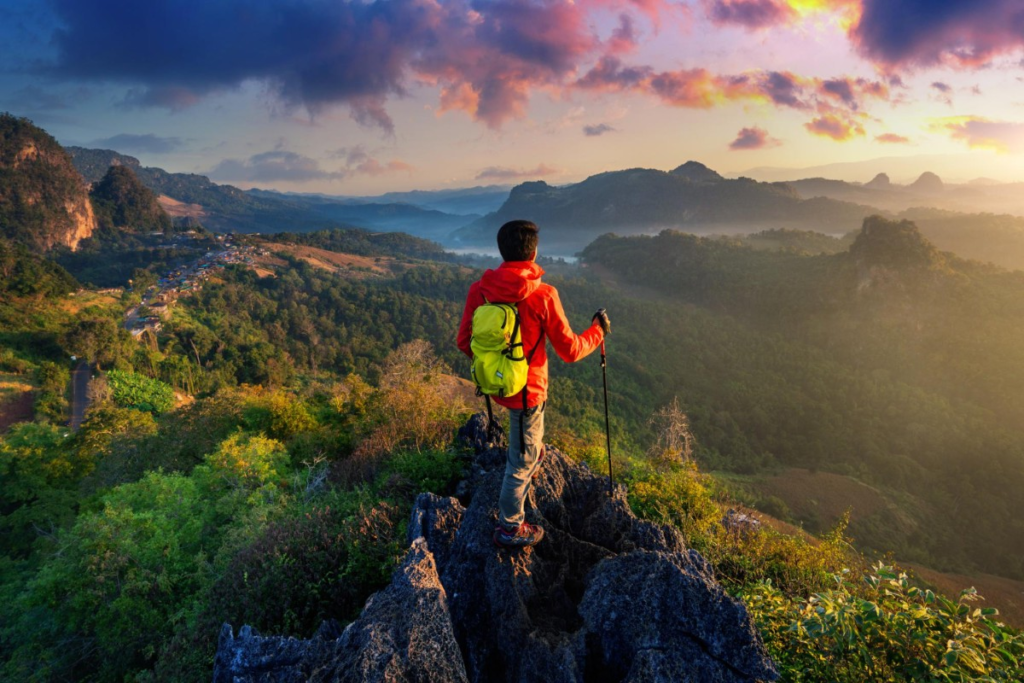
Solo travel continues expanding rapidly, especially among younger travelers and remote workers.
Traveling alone allows greater flexibility, personal freedom, and self-discovery.
Adventure activities that once primarily attracted groups are increasingly being designed for individual travelers.
Many travelers choose solo adventures because they want complete control over schedules, destinations, and experiences.
Technology has also made solo travel easier through navigation tools, travel communities, language assistance, and booking platforms.
As confidence around independent travel increases, solo adventure experiences continue becoming more mainstream.
Remote Work and Travel Blending Together
Flexible work arrangements have significantly changed travel behavior.
Many professionals now combine work and travel instead of separating them completely.
Remote workers increasingly choose destinations that offer outdoor activities, unique experiences, and opportunities for exploration while maintaining productivity.
This trend has created demand for longer adventure trips where travelers balance professional responsibilities with leisure activities.
Adventure travel no longer necessarily means short vacations.
Many travelers now spend weeks or months exploring different locations while continuing their careers remotely.
This flexibility is changing how people define travel itself.
Sustainable Adventure Travel Becoming a Priority
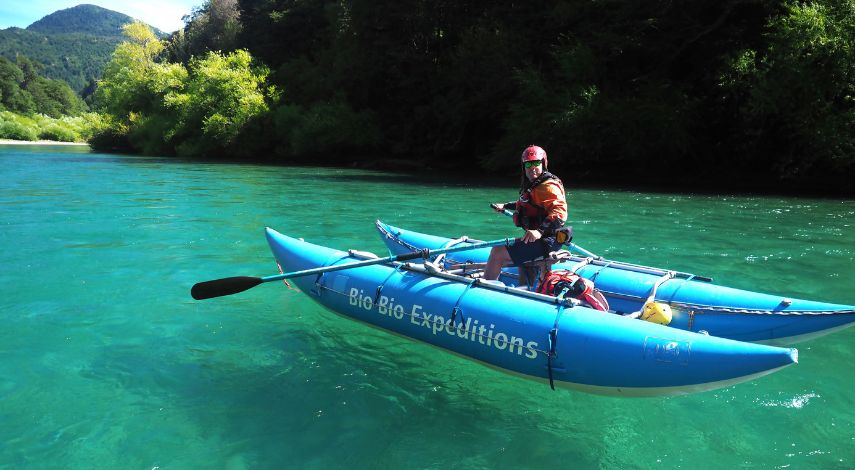
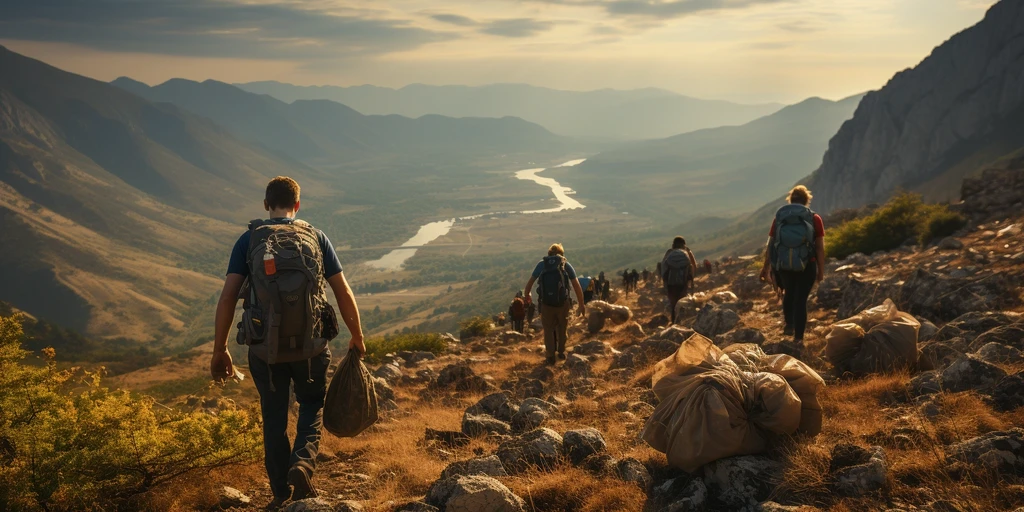

Travelers are increasingly aware of environmental impacts.
Many adventure travelers now actively search for experiences that minimize harm to local communities and ecosystems.
Sustainable travel practices include:
Reducing waste
Supporting local businesses
Choosing responsible operators
Avoiding overcrowded destinations
Respecting wildlife environments
Using environmentally friendly transportation when possible
Travelers increasingly recognize that preserving destinations is essential for maintaining future travel opportunities.
Sustainability is becoming a practical consideration rather than simply a marketing message.
Hidden Destinations Gaining More Attention
Popular tourist locations continue attracting visitors, but many travelers now prefer less crowded alternatives.
Hidden destinations provide opportunities for more authentic experiences and fewer tourist crowds.
Social media has influenced this trend by exposing travelers to smaller towns, remote regions, and previously overlooked destinations.
Adventure travelers often seek locations that feel unique and less commercialized.
Exploring lesser-known places also allows travelers to experience local culture more naturally and avoid heavily crowded environments.
The desire for originality continues driving interest in off-the-beaten-path adventures.
Technology Is Changing Adventure Travel
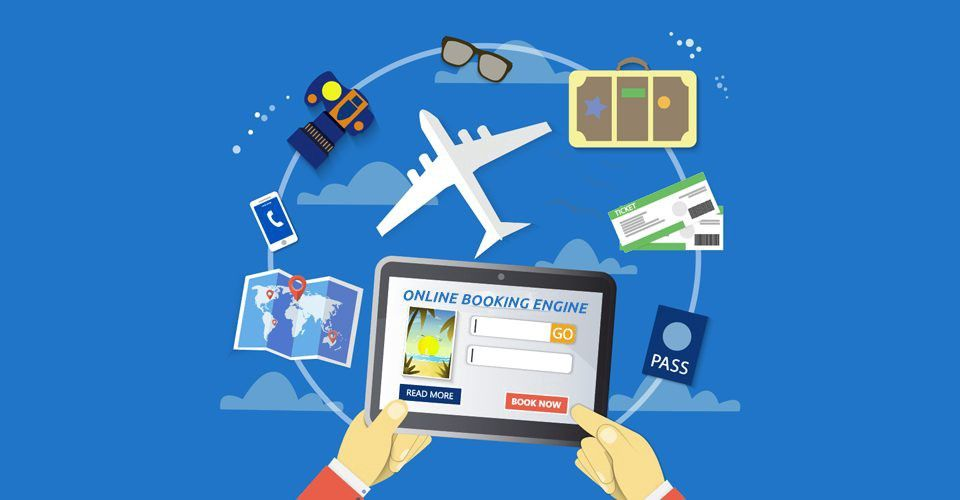
Technology continues reshaping how travelers plan and experience adventures.
Travel applications simplify navigation, translation, booking, safety monitoring, and itinerary management.
Artificial intelligence increasingly helps travelers personalize experiences and discover activities that match preferences.
Wearable devices allow travelers to monitor fitness, navigation, weather conditions, and health during physical activities.
Virtual previews and digital planning tools also make travelers more confident when exploring unfamiliar destinations.
Although adventure travel emphasizes exploration, technology increasingly supports safer and more efficient experiences.
Wellness and Adventure Are Merging
Adventure travel is increasingly connected with health and well-being.
Many travelers now seek experiences that improve both physical and mental health.
Activities such as hiking retreats, cycling tours, meditation camps, yoga adventures, and wellness-focused nature experiences continue expanding.
Travelers increasingly view adventure not only as entertainment but also as personal development.
Combining wellness with exploration allows travelers to return home feeling both refreshed and accomplished.
This combination continues attracting people looking for more purposeful travel experiences.
Personalized Travel Experiences Becoming Standard
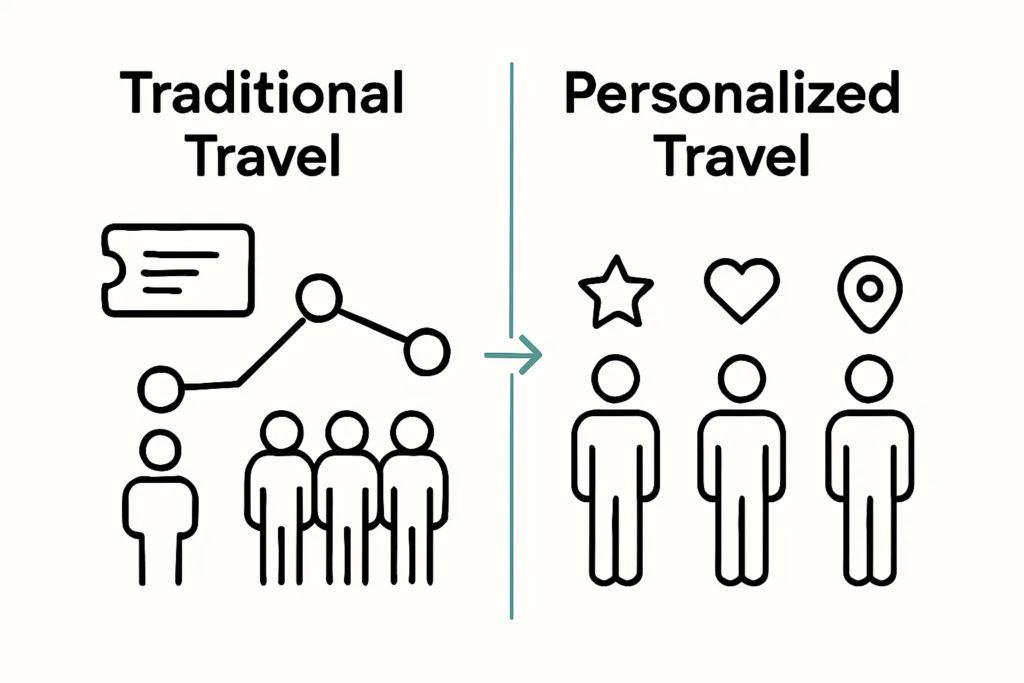
Modern travelers increasingly expect personalized experiences.
Generic travel packages are gradually being replaced by customized adventures designed around personal interests.
Travelers now select experiences based on:
Fitness levels
Travel style
Budget preferences
Activity interests
Cultural goals
Food preferences
Personalization creates stronger satisfaction because travelers feel experiences match their expectations more closely.
Adventure travel providers increasingly focus on flexibility because travelers want greater control over their journeys.
Safety Remaining an Important Factor
Adventure travel naturally involves uncertainty, but safety continues influencing decisions.
Travelers increasingly research destinations carefully before booking experiences.
Reliable transportation, health services, local regulations, weather conditions, and emergency preparation have become important planning considerations.
Travel insurance and safety technology continue becoming more common among adventure travelers.
People still want excitement, but they increasingly prefer calculated risks rather than unnecessary dangers.
Modern adventure travel balances exploration with preparation.
The Future of Adventure Travel
Adventure travel in 2026 reflects broader changes in lifestyle, technology, work habits, and consumer preferences.
Travelers increasingly seek flexibility, meaningful experiences, and opportunities for personal growth.
Future trends may continue expanding around:
Longer travel periods
More personalization
Greater sustainability
Technology integration
Wellness-focused experiences
Remote work travel lifestyles
Adventure travel is becoming less about extreme activities and more about creating memorable experiences that combine exploration, learning, and personal fulfillment.
FAQ’s
Best Terrace Gardening Ideas for a Green and Beautiful Home
A Terrace Gardening can look completely different once you start keeping plants there. Earlier, I…

Best Small House Elevation Ideas: Simple and Modern Designs
When someone starts planning a new house, the first things that usually come to mind…

Emotional Boundaries: How to Set Healthy Limits in Relationships
I used to think that being a good person meant being available whenever someone needed…

Popular Indian Fast Food: Delicious Snacks You’ll Love
There are days when you leave home thinking you are not hungry at all, and…

Daily Hydration Tips for Better Health and Energy
We’ve all hit that wall around 3:00 PM. You are staring at your screen, reading…

Best Bedroom Ideas for a Cozy and Beautiful Home
A bedroom should feel comfortable before it feels stylish. You can have beautiful furniture and…