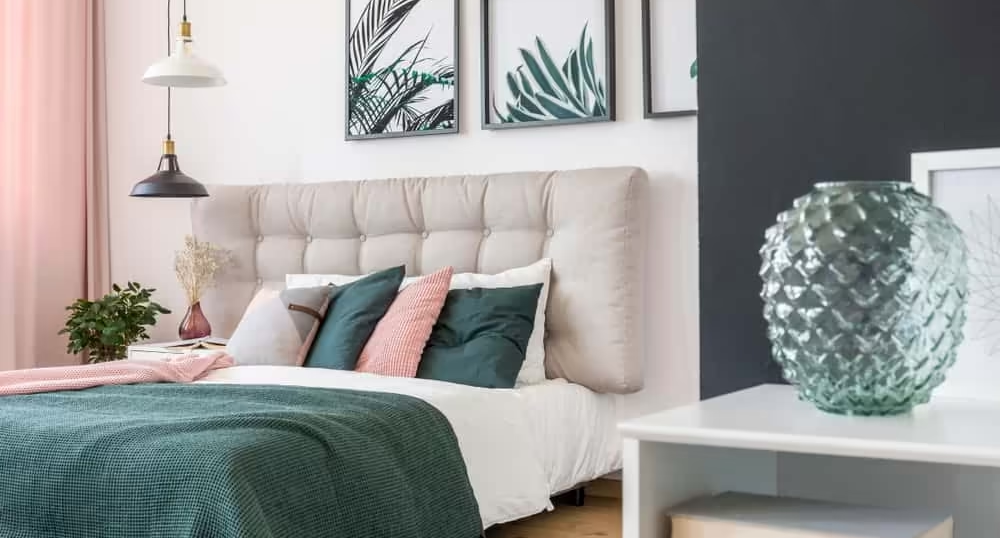
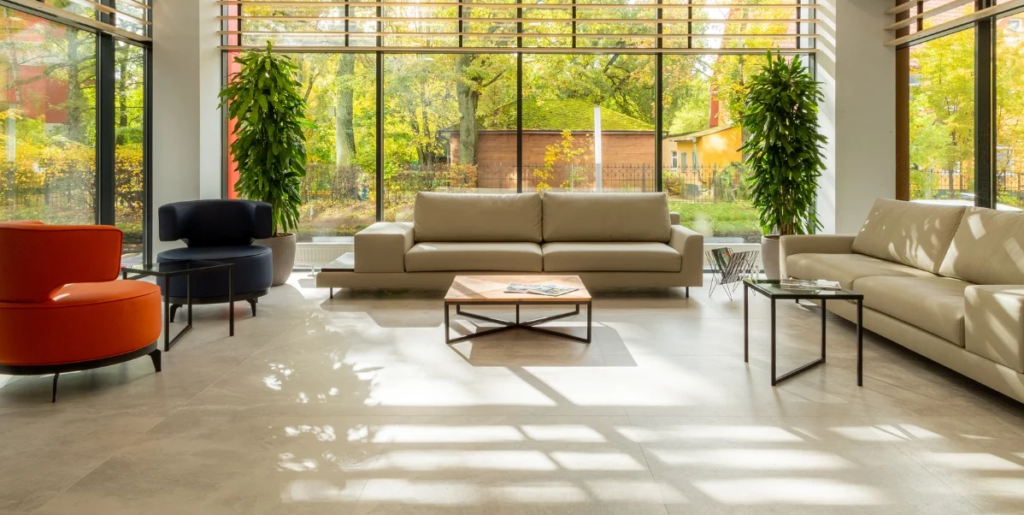
Creating a comfortable and organized home has become more important than ever. A home is not just a place to sleep or store belongings; it is where people work, relax, spend time with family, and recharge after busy days. With changing lifestyles and growing responsibilities, many homeowners are looking for smart home and living strategies that improve comfort while keeping spaces organized.
A smart home does not always mean expensive gadgets or complicated systems. Sometimes, simple habits, thoughtful layouts, and practical solutions can create a more comfortable environment. By combining organization, functionality, and convenience, anyone can transform their living space into a place that feels more peaceful and efficient.
Understanding Smart Home Living
Smart home living focuses on creating an environment that works better for your daily routine. It involves reducing clutter, improving space usage, and adding systems that make tasks easier. Whether you live in a large house or a small apartment, smart living strategies help maximize available space while improving comfort.
Modern homes often become crowded with furniture, electronics, clothes, and household items. Without proper organization, these items can create stress and reduce productivity. Smart living encourages intentional choices that support easier maintenance and a more enjoyable lifestyle.
Start With Decluttering Your Space
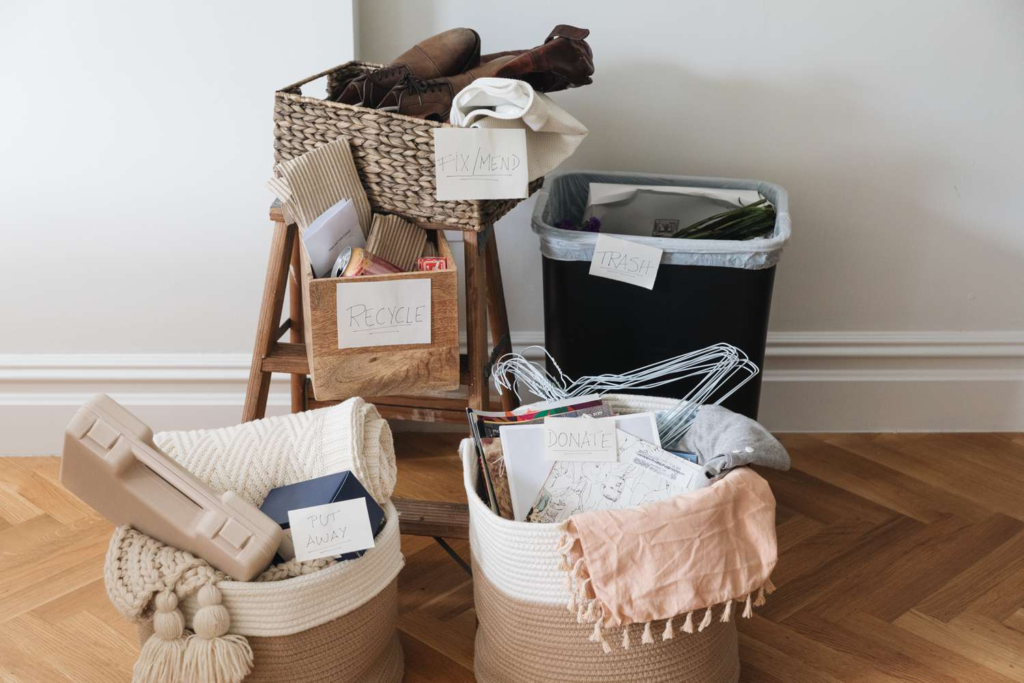
The first step toward better organization is removing unnecessary items. Clutter takes up valuable space and creates visual stress. Start by evaluating each room and identifying items you no longer use or need.
Instead of trying to organize everything at once, work section by section. Focus on one room, one shelf, or one storage area at a time. This makes the process easier and prevents feeling overwhelmed.
Keep only items that serve a purpose or bring value to your daily life. Donate, recycle, or discard unnecessary belongings. Less clutter means less cleaning, easier maintenance, and more usable space.
Create Functional Zones in Every Room
A common reason homes feel disorganized is because spaces serve too many purposes without clear boundaries. Creating functional zones helps maintain order and improves efficiency.
For example, in a living room, you can create separate areas for entertainment, reading, or work. In bedrooms, create dedicated spaces for sleeping, dressing, and storage.
Functional zones help family members understand where items belong and make it easier to maintain organization over time.
Use Smart Storage Solutions
Storage plays a major role in home organization. Smart storage focuses on maximizing space without making rooms feel crowded.
Consider using:
- Under-bed storage containers
- Wall-mounted shelves
- Multi-purpose furniture
- Vertical storage systems
- Drawer organizers
- Hidden storage compartments
Furniture that serves multiple functions can significantly improve space efficiency. Storage benches, foldable tables, and beds with drawers are practical options for smaller homes.
Smart storage reduces visual clutter while keeping essential items accessible.
Improve Comfort Through Better Lighting
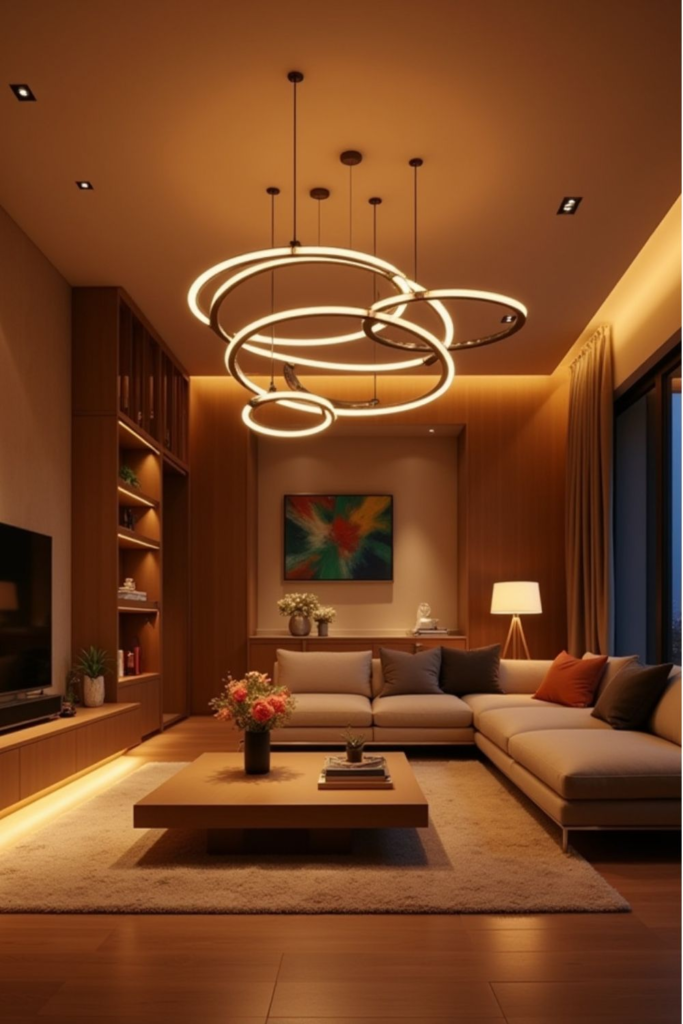
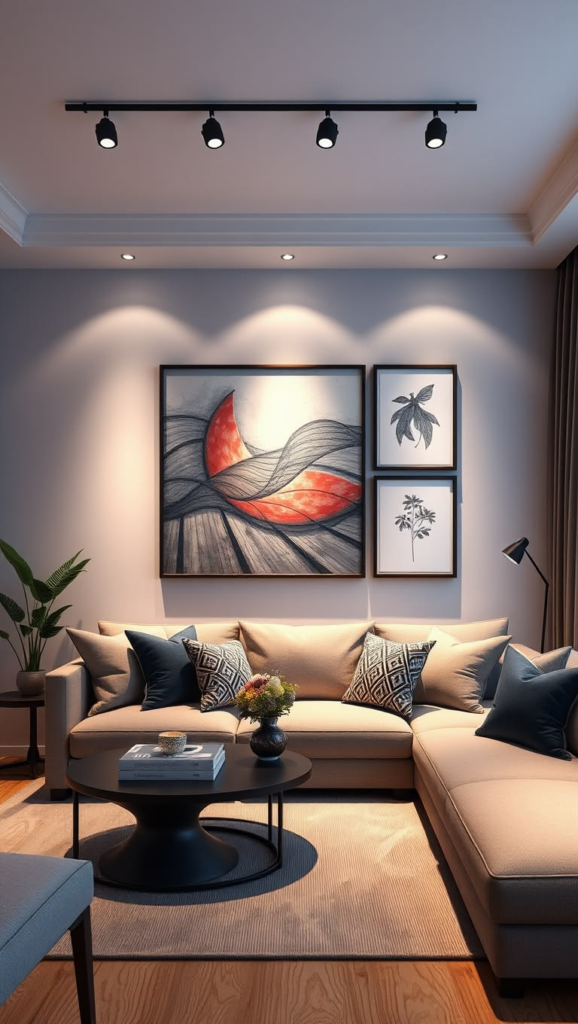
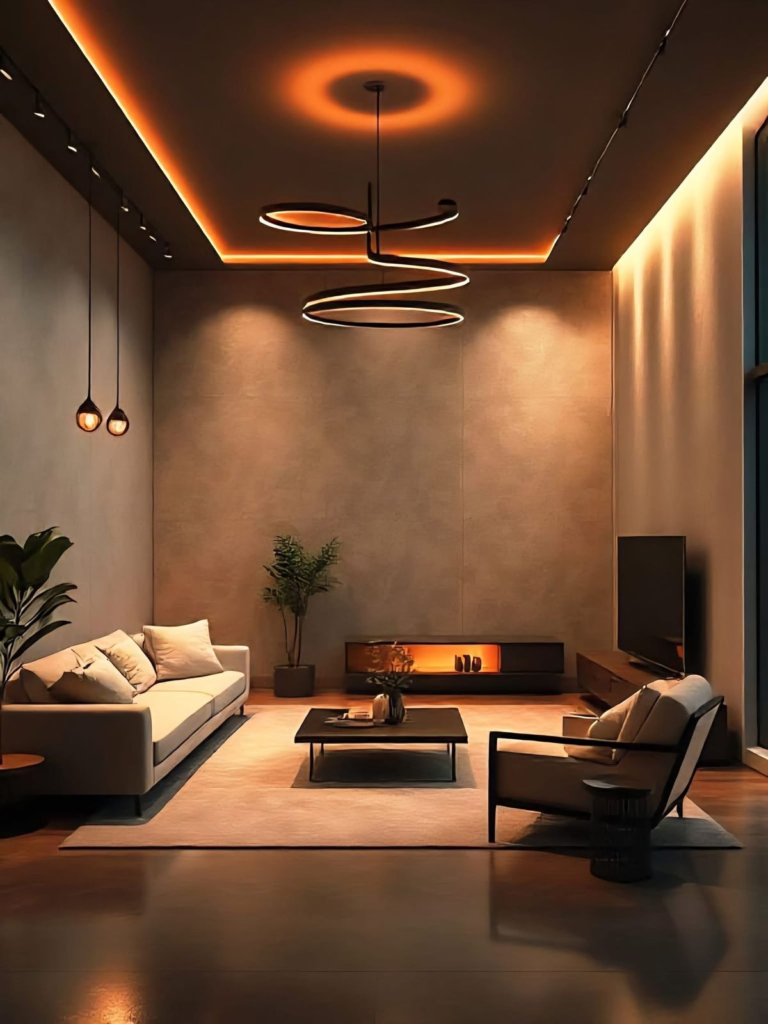
Lighting has a major impact on comfort and mood. Poor lighting can make spaces feel smaller, darker, and less inviting.
Layered lighting works best in most homes. Combine different light sources such as:
- Natural sunlight
- Ceiling lighting
- Task lighting
- Accent lighting
- Warm ambient lighting
Maximize natural light whenever possible. Open curtains during daytime and position furniture to allow sunlight to spread throughout the room.
Soft lighting in bedrooms and living areas creates a relaxing atmosphere while brighter task lighting improves productivity in kitchens and workspaces.
Invest in Comfortable Furniture Placement
Many people focus on buying furniture but overlook placement. Even expensive furniture can make a room uncomfortable if arranged poorly.
Avoid overcrowding rooms with large pieces. Leave enough walking space and create layouts that encourage movement.
Consider these furniture placement tips:
- Keep pathways open
- Position seating for conversation
- Avoid blocking windows
- Place frequently used furniture within easy reach
- Balance large furniture with smaller pieces
Proper furniture arrangement improves both comfort and functionality.
Develop Daily Organization Habits
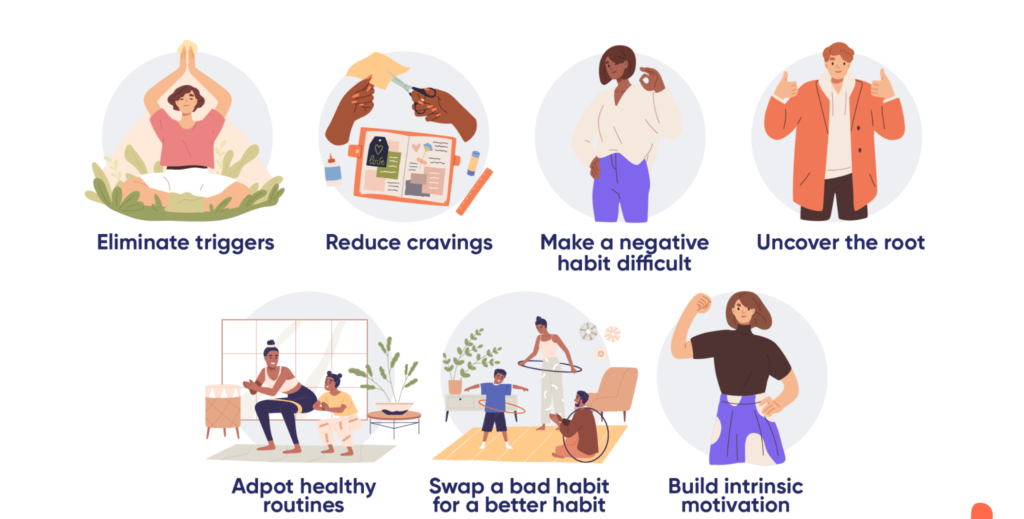
Organization is easier to maintain when supported by daily habits. Even the best storage systems become ineffective without consistent routines.
Simple habits include:
- Making the bed every morning
- Returning items after use
- Cleaning small messes immediately
- Organizing mail and paperwork daily
- Spending ten minutes tidying each evening
These small actions prevent clutter from building up and reduce the need for major cleaning sessions.
Consistency creates long-term results.
Use Technology to Simplify Everyday Tasks
Smart technology can improve convenience and efficiency when used correctly. Home automation systems can simplify many daily activities.
Examples include:
- Smart lighting controls
- Automated temperature systems
- Voice-controlled devices
- Smart security systems
- Robotic cleaning devices
The goal is not to fill your home with technology but to use tools that genuinely improve daily life.
Choose technology that solves problems rather than creating unnecessary complexity.
Optimize Kitchen Organization
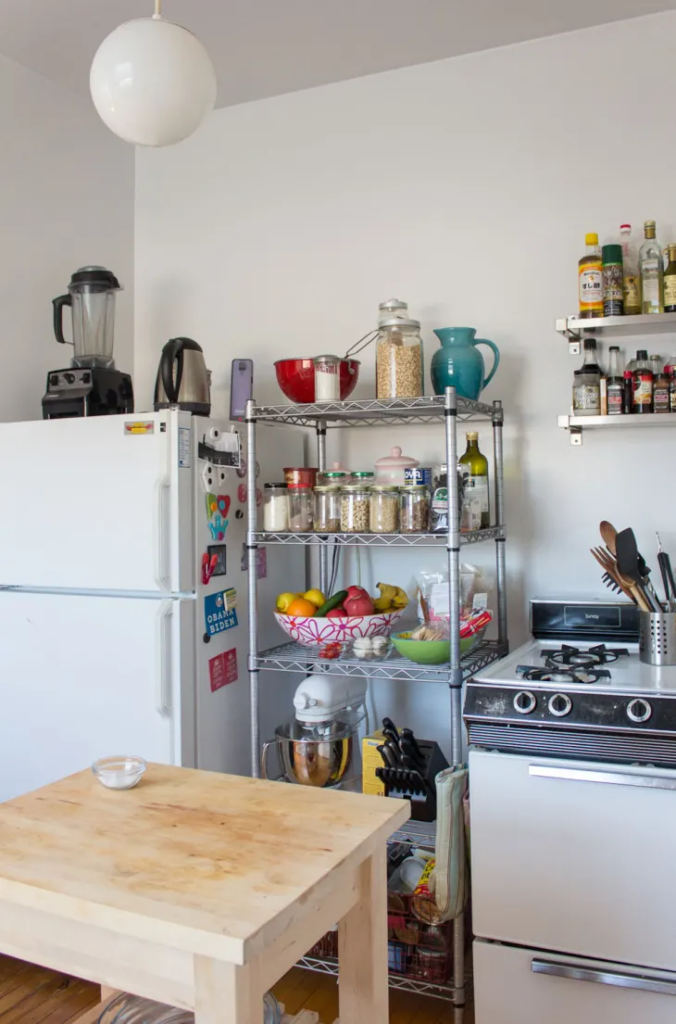
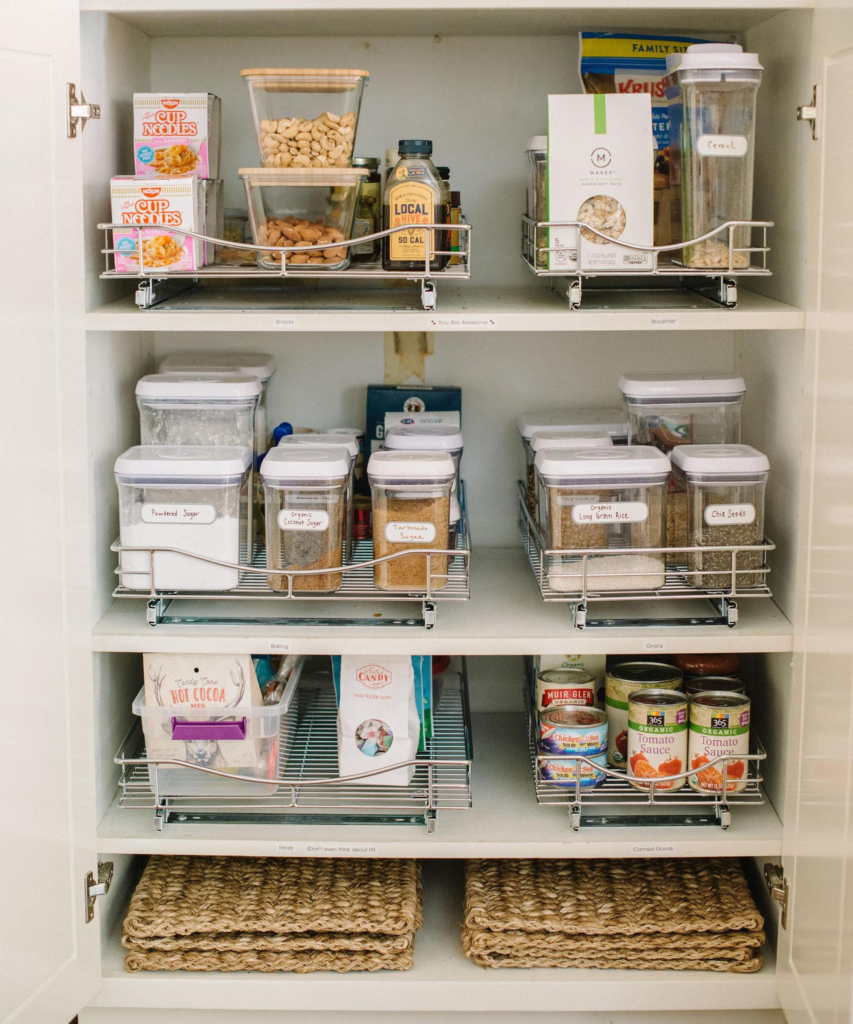
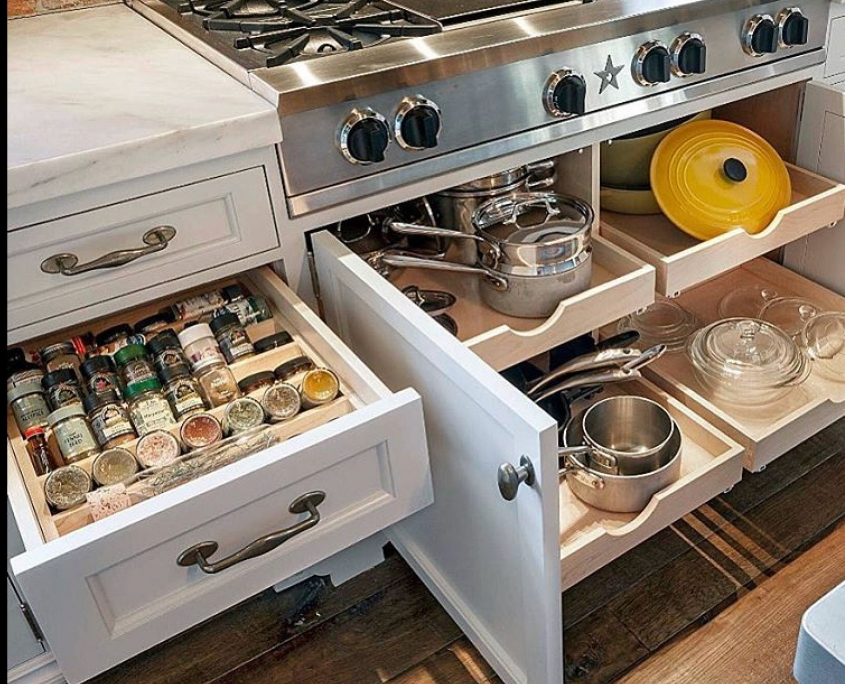
The kitchen is often one of the busiest areas of any home. Poor kitchen organization can make cooking stressful and time-consuming.
Improve kitchen efficiency by:
- Grouping similar items together
- Using drawer dividers
- Labeling storage containers
- Keeping frequently used items accessible
- Regularly removing expired products
Creating dedicated areas for cooking, cleaning, and food storage makes meal preparation easier and faster.
An organized kitchen saves both time and energy.
Create Relaxation Spaces
Comfort is not only about furniture or temperature. Mental comfort also matters.
Designate areas specifically for relaxation. These spaces do not need to be large. Even a small corner with comfortable seating, soft lighting, and minimal distractions can create a calming environment.
Adding plants, books, soft textures, or calming colors can make relaxation areas more inviting.
Having dedicated spaces for rest helps maintain balance between productivity and relaxation.
Maintain Better Bedroom Organization
Bedrooms should support rest and recovery. Excessive clutter or poor organization can negatively affect sleep quality.
Keep bedrooms organized by:
- Limiting unnecessary furniture
- Using closet organizers
- Keeping surfaces clear
- Creating designated laundry spaces
- Reducing visible clutter
Choose calming colors and comfortable bedding to create a peaceful atmosphere.
A well-organized bedroom contributes significantly to overall comfort.
Focus on Sustainable Home Practices
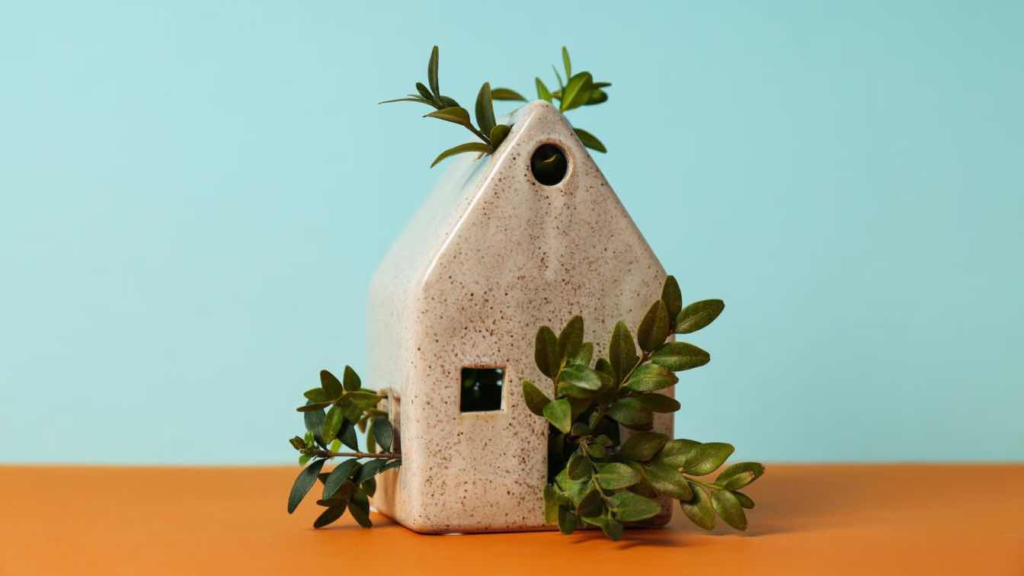
Smart living also involves creating systems that reduce waste and improve efficiency.
Simple sustainable practices include:
- Using reusable storage solutions
- Reducing unnecessary purchases
- Saving energy through efficient lighting
- Conserving water
- Repairing items instead of replacing them immediately
Sustainable habits often reduce costs while making homes easier to manage.
Small changes can create meaningful long-term benefits.
Build Systems That Work for Your Lifestyle
One of the biggest mistakes people make is copying organization systems that do not match their routines.
A family with children may require different solutions compared to someone living alone. Remote workers may need dedicated office space while others prioritize entertainment areas.
The best home systems are flexible and designed around daily habits.
Pay attention to what creates stress or inconvenience in your routine and create solutions that address those specific problems.
FAQ’s
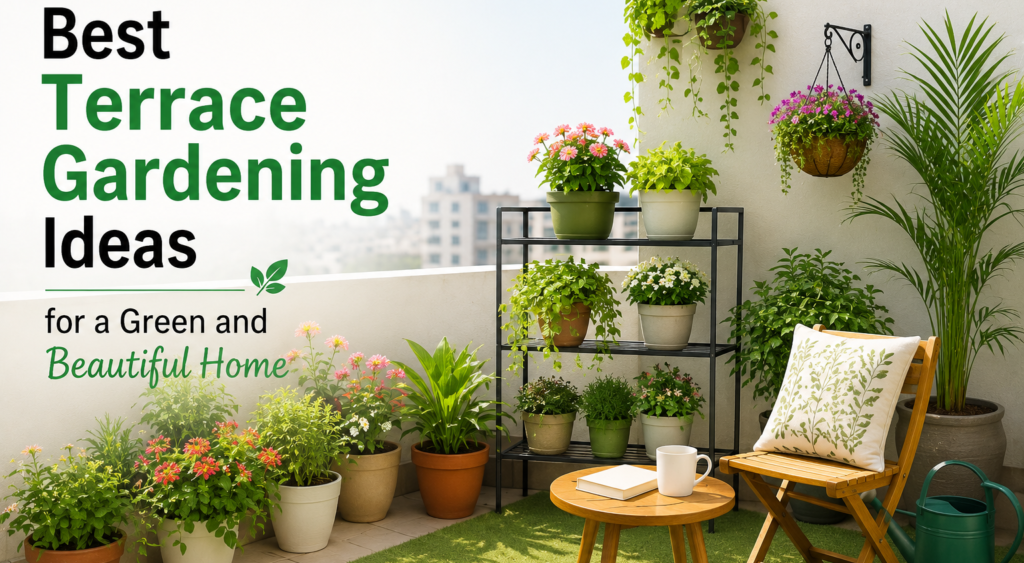
Best Terrace Gardening Ideas for a Green and Beautiful Home
A Terrace Gardening can look completely different once you start keeping plants there. Earlier, I…
Best Small House Elevation Ideas: Simple and Modern Designs
When someone starts planning a new house, the first things that usually come to mind…

Emotional Boundaries: How to Set Healthy Limits in Relationships
I used to think that being a good person meant being available whenever someone needed…
Popular Indian Fast Food: Delicious Snacks You’ll Love
There are days when you leave home thinking you are not hungry at all, and…

Daily Hydration Tips for Better Health and Energy
We’ve all hit that wall around 3:00 PM. You are staring at your screen, reading…

Best Bedroom Ideas for a Cozy and Beautiful Home
A bedroom should feel comfortable before it feels stylish. You can have beautiful furniture and…